What Is a TFT LCD Module?
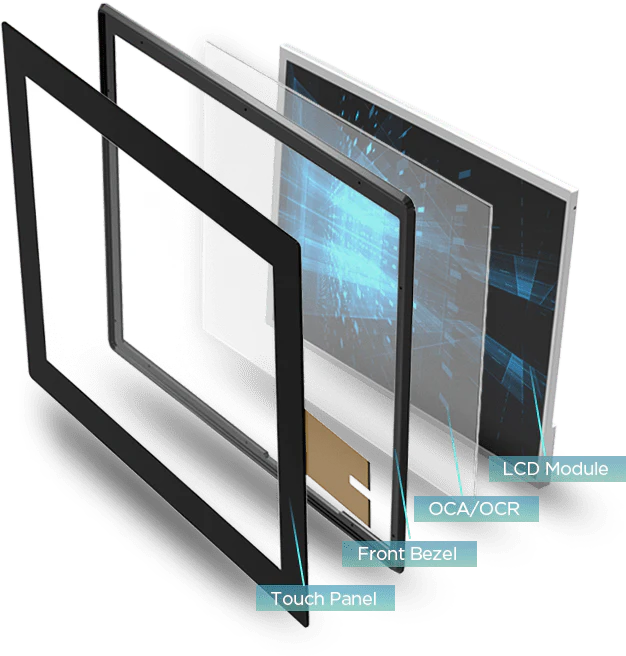
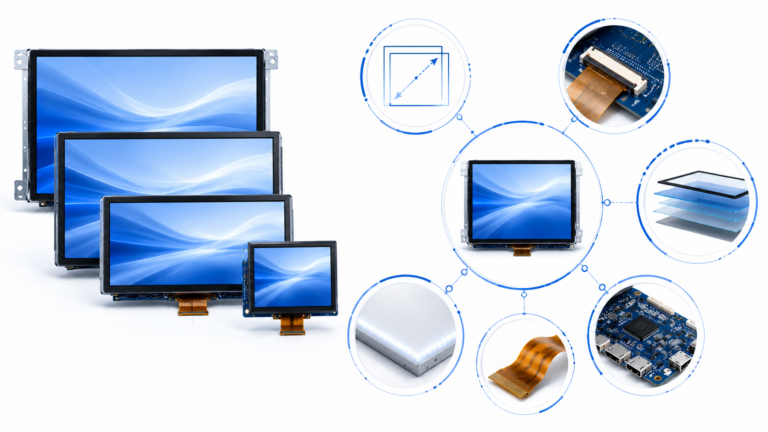
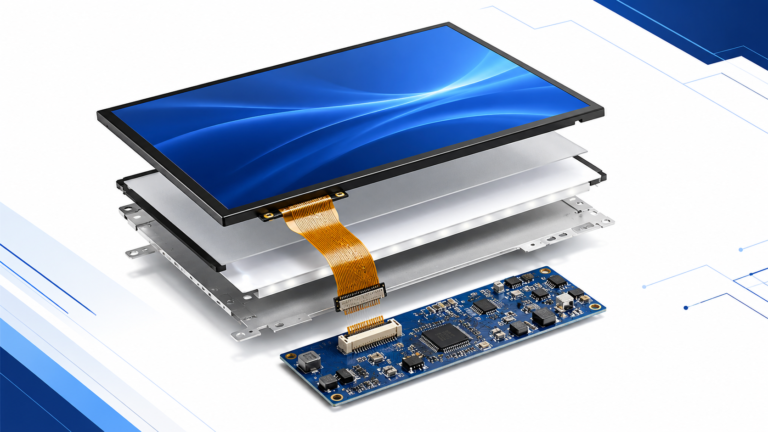
A TFT LCD module is a complete display component built around a thin-film transistor liquid crystal display. It is commonly used in […]

Display supplier &
Manufacturer
RJY knowledge center
Display engineering insights, product updates and practical guidance for building reliable connected products.
A TFT LCD module is a complete display component built around a thin-film transistor liquid crystal display. It is commonly used in […]
The global human-machine interface (HMI) landscape in 2026 is characterized by a definitive shift toward specialized, high-resolution, and intelligent display systems. Thin-Film […]
The cost of a TFT LCD depends on more than screen size. A small standard TFT LCD module may be relatively simple […]
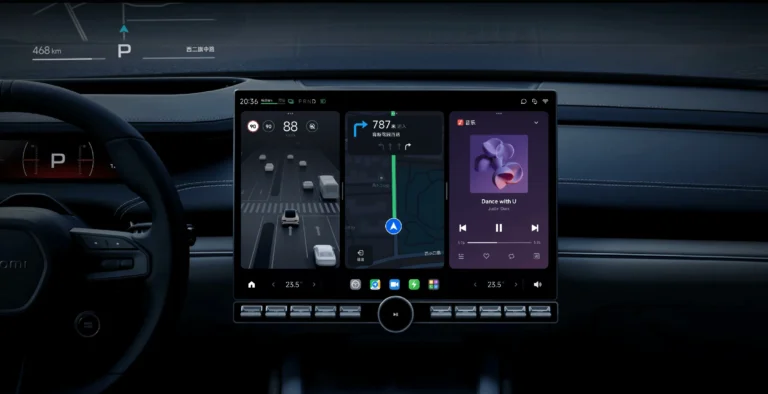
In today’s vehicles, the automotive-grade display has become a central element of both safety and user experience. From digital instrument clusters to infotainment systems and head-up displays, modern cars depend heavily on reliable, high-performance screens. But what exactly makes a display “automotive-grade”? Why can’t we simply integrate consumer electronics screens into a car?
This article explores the concept of automotive-grade displays, the technical standards they must meet, and the critical features that differentiate them from commercial-grade screens.
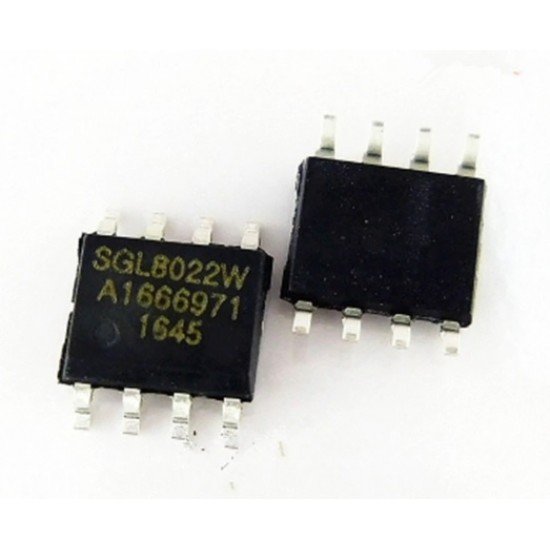
In modern electronics, the touch IC chip is a critical component that bridges the gap between the touchscreen panel and the main system processor. It translates finger or stylus contact into precise digital signals, enabling smooth and responsive user interaction.
For engineers, selecting the right touch IC is more than just picking one that “works” — it involves balancing performance, integration compatibility, environmental tolerance, and long-term product reliability. In this guide, we’ll take an engineer’s perspective on how to determine the most suitable touch IC chip for your design.
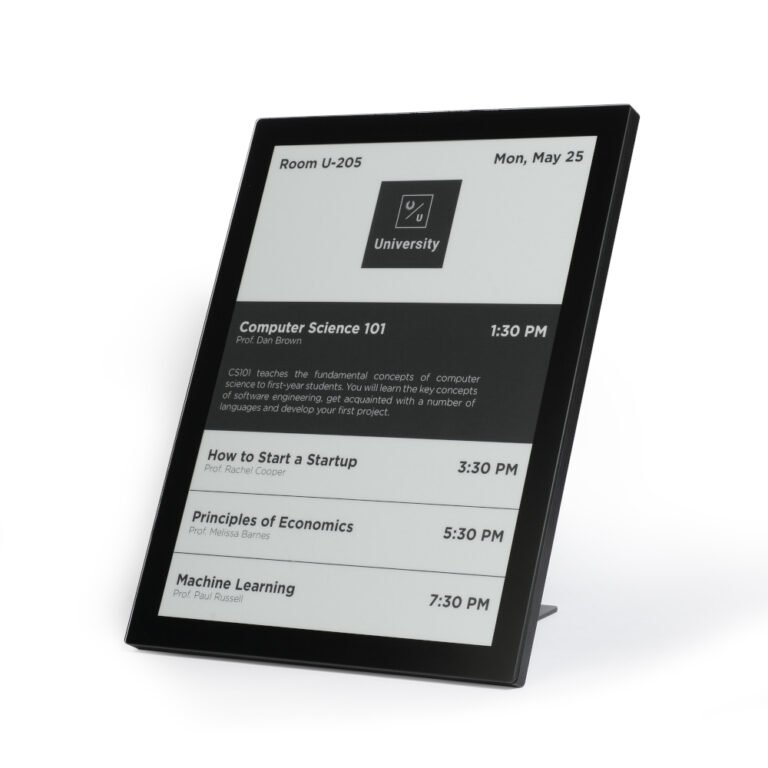
The electronic paper screen—often abbreviated as e-paper—has become one of the most innovative display technologies of the past two decades. Known for its paper-like readability, low power consumption, and thin profile, electronic paper screens are widely used in e-readers, IoT devices, digital signage, and even smart wearables. Unlike traditional LCD or OLED displays, e-paper mimics the appearance of ink on paper, making it highly comfortable for prolonged reading and outdoor use.
Thinking about replacing a TFT screen with an IPS panel? You’re in the right place. If you’ve ever squinted at your display from an angle or wondered why colors fade around the edges, this article breaks things down in everyday terms—no jargon, just what you need to know to decide if an upgrade is worth it.
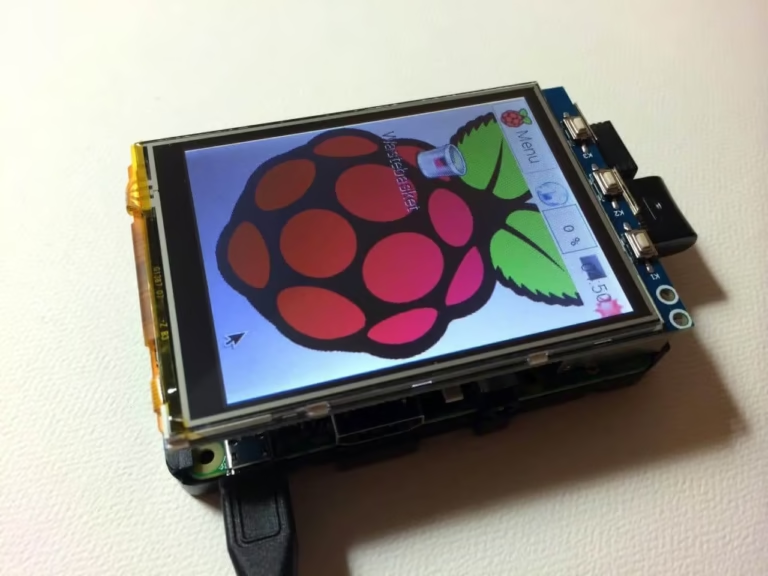
When designing embedded systems with TFT LCDs, choosing the right microcontroller matters enormously—and not just for raw speed. You also need an MCU that supports easy debugging, clean signal handling, and flexible interfaces to your display. This article explores top MCU choices that deliver performance, debuggability, and display support, while also noting traps that can compromise stability or responsiveness.
If you’ve noticed your TFT LCD touchscreen or display freezes, becomes unresponsive, or locks up after some usage—you’re not alone. This issue is common across embedded systems, Arduino/STM32 projects, and industrial displays. In this article, we analyze the most frequent causes and walk you through effective fixes.
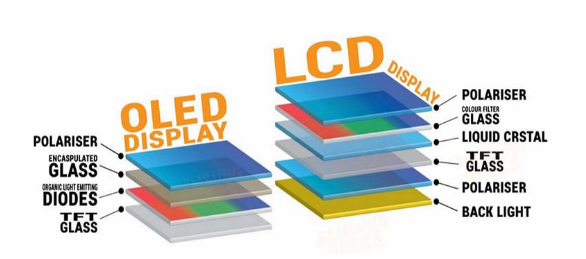
When choosing between display technologies—especially for embedded systems, mobile devices, or large-format monitors—power efficiency matters just as much as image quality. LCD and OLED are the two dominant display types today, and while both have their strengths, their approaches to light, color, and power usage are fundamentally different.
Understanding which technology is more energy-efficient isn’t as simple as picking one over the other. Instead, the answer depends on several variables: the application, the average brightness needed, the kind of content displayed, and even the environment where the device is used.
Let’s dive into how LCD technology compares to OLED in terms of energy efficiency, taking a detailed, real-world approach tailored for product designers, engineers, and display specifiers.
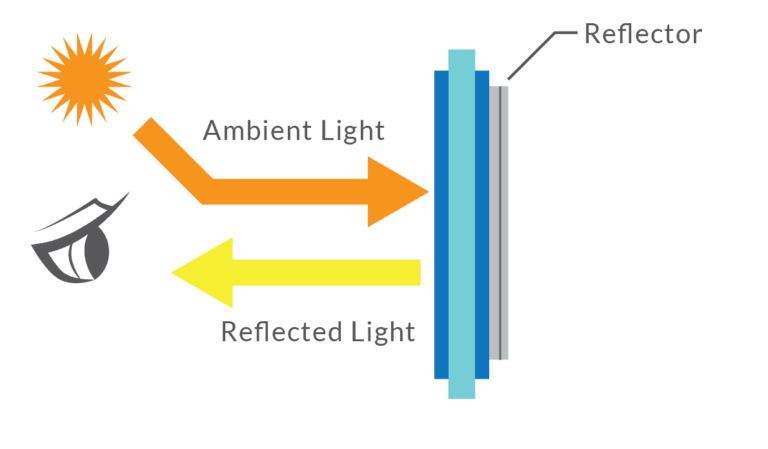
When we talk about LCD displays, we usually assume there’s a built-in LED backlight. But there’s another widely used type—especially in outdoor and wearable devices—that doesn’t need one: the reflective LCD. These displays work by reflecting ambient light back to the viewer, allowing them to remain highly visible without consuming extra power.
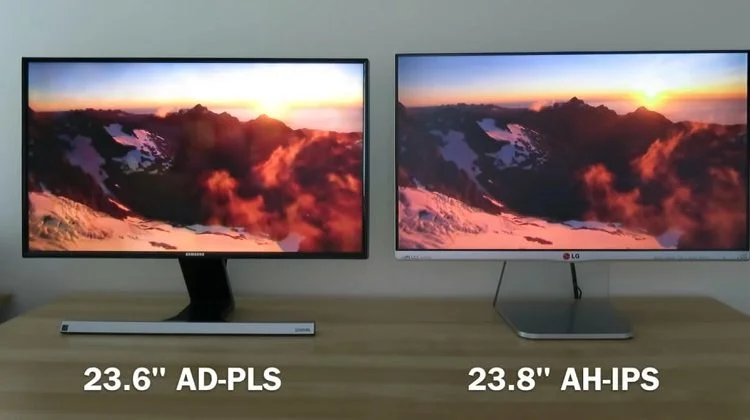
If you’ve ever browsed tech specs for a new monitor or device, chances are you’ve seen terms like IPS, PLS, or even ADS thrown around. They often appear together, and they seem similar—but are they really the same?
The short answer: not exactly.
The longer, more useful answer? Let’s break down what a PLS screen is, how it compares to IPS panels, and what the technical and real-world implications are for developers, designers, and everyday users.