What Is a Round TFT LCD?
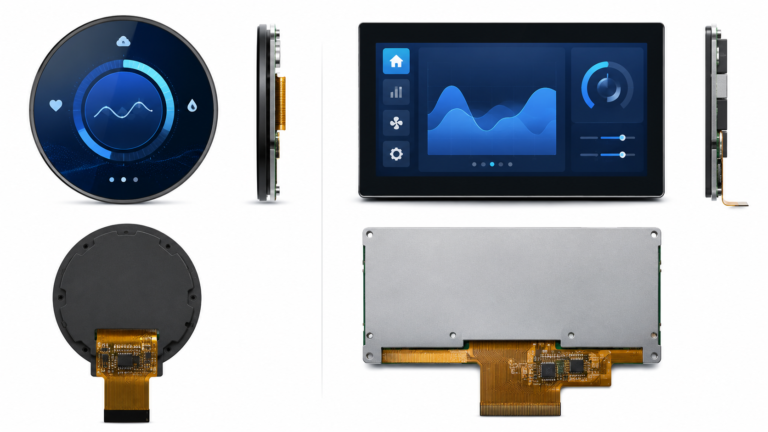
A round TFT LCD is a circular display module based on thin-film transistor liquid crystal display technology. Unlike a standard rectangular TFT […]

Display supplier &
Manufacturer
RJY knowledge center
Display engineering insights, product updates and practical guidance for building reliable connected products.
A round TFT LCD is a circular display module based on thin-film transistor liquid crystal display technology. Unlike a standard rectangular TFT […]
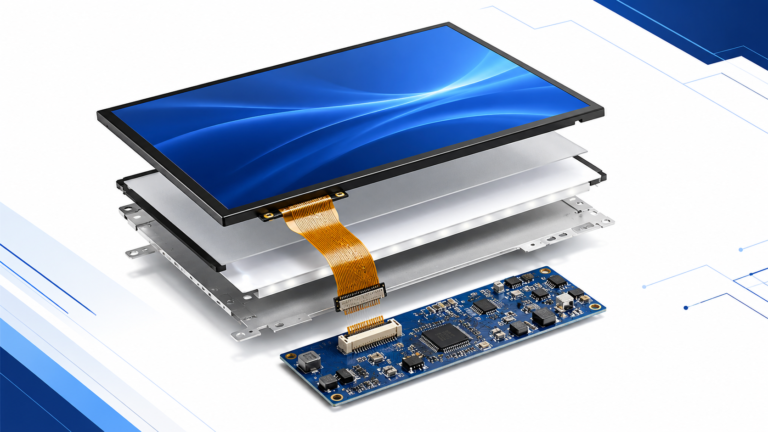
A TFT LCD module is a complete display component built around a thin-film transistor liquid crystal display. It is commonly used in […]
Over the last two decades, E Ink electronic paper displays (EPD) have evolved from a niche technology into a mainstream solution powering millions of e-readers, electronic shelf labels, and IoT devices. Unlike traditional LCD or OLED panels, E Ink displays mimic the appearance of ink on paper, offering high visibility in ambient light, extremely low power consumption, and unique use cases where conventional displays struggle.
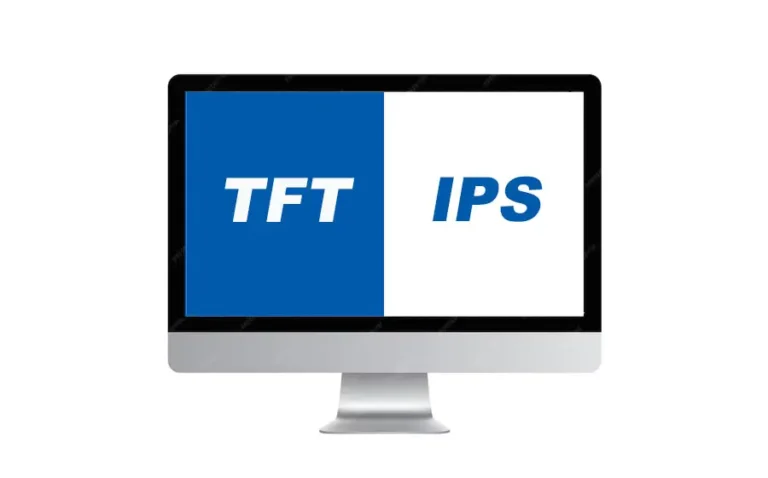
For engineers, procurement specialists, and technology enthusiasts navigating the European display market, the acronyms surrounding screen technologies can often seem contradictory. One of the most common points of confusion is the comparison between TFT (Thin-Film Transistor) and IPS (In-Plane Switching) displays.
To make an informed decision for consumer electronics, industrial interfaces, or medical equipment, it is crucial to understand that this is not a comparison of two entirely different technologies. Rather, it is an evaluation of a baseline architecture versus its most advanced refinement.
Thinking about replacing a TFT screen with an IPS panel? You’re in the right place. If you’ve ever squinted at your display from an angle or wondered why colors fade around the edges, this article breaks things down in everyday terms—no jargon, just what you need to know to decide if an upgrade is worth it.
When designing embedded systems with TFT LCDs, choosing the right microcontroller matters enormously—and not just for raw speed. You also need an MCU that supports easy debugging, clean signal handling, and flexible interfaces to your display. This article explores top MCU choices that deliver performance, debuggability, and display support, while also noting traps that can compromise stability or responsiveness.
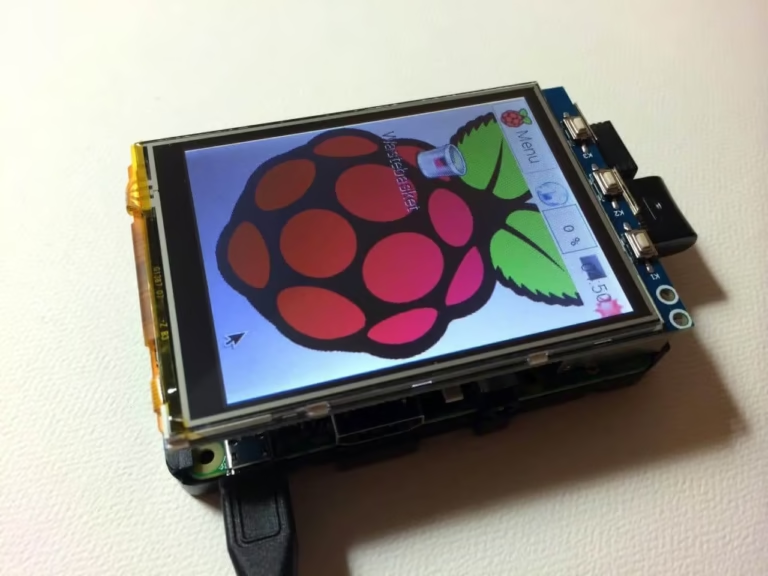
If you’ve noticed your TFT LCD touchscreen or display freezes, becomes unresponsive, or locks up after some usage—you’re not alone. This issue is common across embedded systems, Arduino/STM32 projects, and industrial displays. In this article, we analyze the most frequent causes and walk you through effective fixes.
For displays to remain legible in direct sunlight or harsh ambient lighting, the key challenge isn’t just brightness—it’s managing reflection. That’s where smart surface treatments come in. This article examines how anti-reflective (AR), anti-glare (AG), and optical bonding technologies work—why they matter, their trade-offs, and how they enable truly sunlight-readable LCD modules.
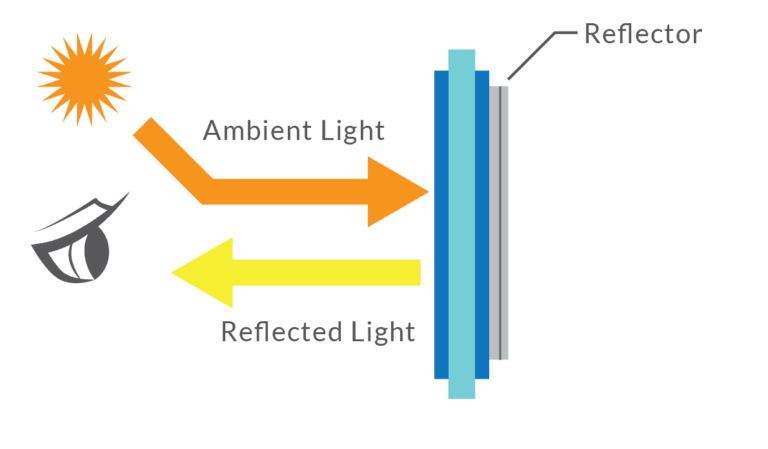
When we talk about LCD displays, we usually assume there’s a built-in LED backlight. But there’s another widely used type—especially in outdoor and wearable devices—that doesn’t need one: the reflective LCD. These displays work by reflecting ambient light back to the viewer, allowing them to remain highly visible without consuming extra power.
When specifying display panels for professional, industrial, or extended-use scenarios, eye comfort is a critical selection criterion. This article examines whether TFT displays (such as TN or VA panels) or IPS panels deliver superior visual ergonomics. Drawing on scientific considerations and user feedback, it evaluates characteristics that influence eye strain and viewing fatigue.
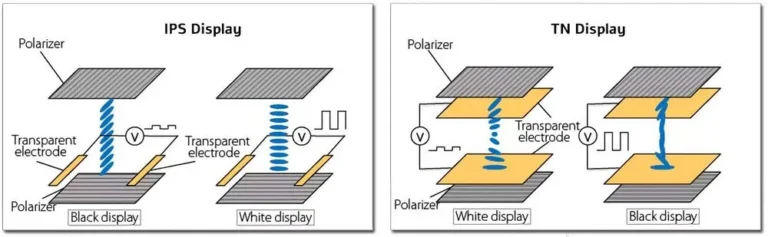
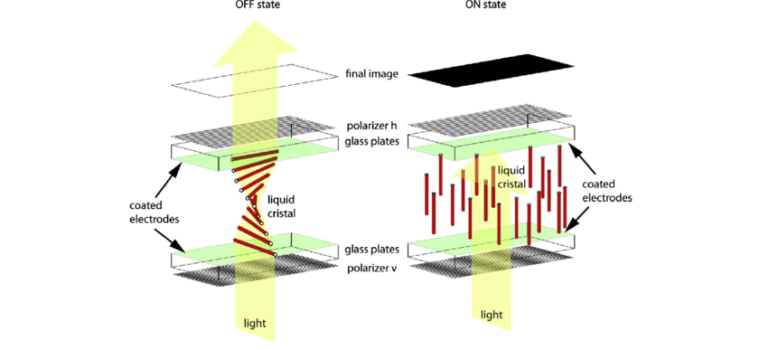
Twisted Nematic LCD, or TN LCD, is one of the most widely used display technologies in the world. Known for its fast response time and low manufacturing cost, TN LCDs have long been a staple in consumer electronics, industrial equipment, and gaming monitors. In this article, we’ll explain how TN LCDs work, their advantages and disadvantages, and how they compare with other types like IPS and VA.
In the field of optoelectronics, a display is a sophisticated multi-layered system where the Touch Panel (TP) must be precisely harmonized with […]