01
Sports watches & fitness trackers
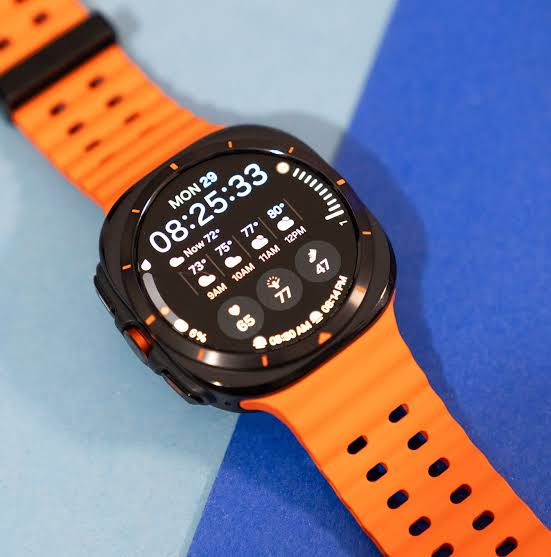
Glanceable activity, workout and navigation screens. Review outdoor readability, display shape, touch behavior and battery use with the intended enclosure.

Display supplier &
Manufacturer
PERSONAL DEVICES, CLEAR INTERACTION
Display and touch interfaces designed around compact enclosures, everyday interaction and portable power.
RJY helps consumer-device teams bring display, touch and host electronics into one integration plan. Start with what the user needs to see and do, then define the optical, mechanical and electrical requirements around it.
APPLICATION SCENARIOS
Consumer electronics need a different starting point from household appliances: compact packaging, personal interaction and power-aware operation.
Glanceable activity, workout and navigation screens. Review outdoor readability, display shape, touch behavior and battery use with the intended enclosure.
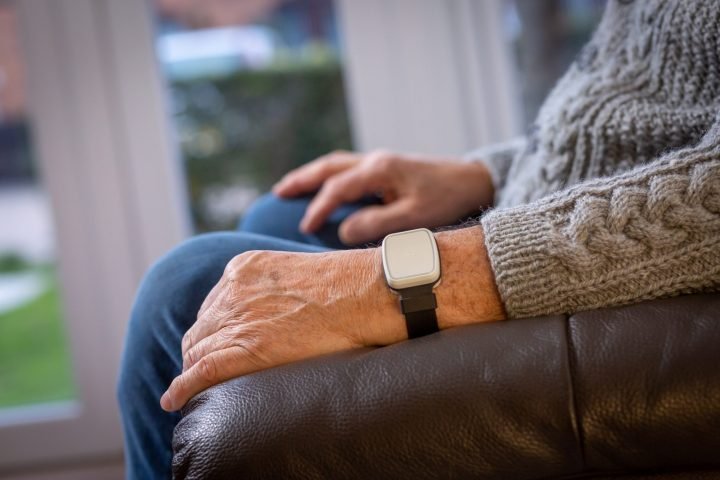
Readable status and assistance prompts for personal care terminals. Define text size, simple interactions and alert presentation around the intended users.
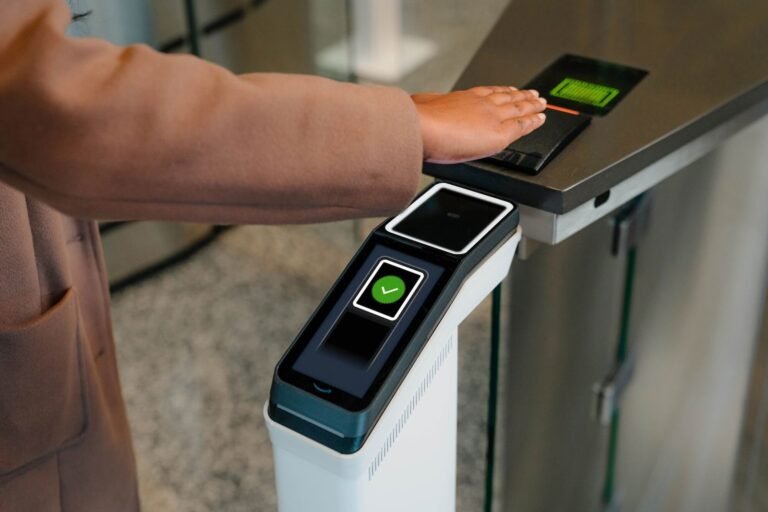
Compact identity, access-status and notification displays for electronic badges. Coordinate screen visibility, update behavior and power requirements.
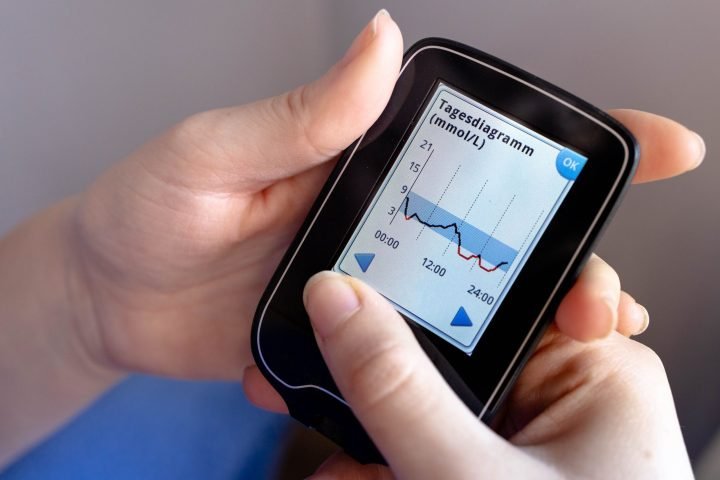
Trend, measurement and alert interfaces for dedicated monitoring readers. Display integration does not establish measurement accuracy or medical-device compliance.

Location, connection and battery information on screen-equipped trackers or their handheld readers. Review usage conditions and power states together.

Compact visual interfaces for head-worn devices. Evaluate the display with the optical system, viewing geometry, thermal constraints and host electronics.
START WITH THE EXPERIENCE
A panel that fits the opening is only part of the decision. Check viewing distance, touch reach, display orientation, connector location and cable routing before freezing the enclosure.
For battery-powered products, assess active, dimmed and sleep states with the intended interface content. Brightness and readability should be evaluated in the environments where the product will actually be used.
DISPLAY & TOUCH OPTIONS
Technology choice depends on the exact configuration and workload. Availability and compatibility must be confirmed for the selected part.
A starting point for color interfaces with a dedicated backlight. Review active area, resolution, viewing angle, brightness and backlight power together.
Discuss available OLED configurations for compact interfaces. Evaluate luminance, content patterns, lifetime targets and power use for the intended workload.
Define gestures, target sizes, cover-glass thickness and controller support. Test the complete stack rather than assuming every panel and host combination will work.
Coordinate bezel printing, mounting, surface finish and bonding options with the enclosure. Validate glare, touch response and assembly tolerances on samples.
FROM CONCEPT TO PRODUCTION
Share the enclosure concept, use environment, host platform and expected production volume. Establish the required active area, optical targets and electrical interface.
Review samples with the actual enclosure, cover glass and host. Check touch response, display timing, power states and thermal behavior under representative use.
Agree drawings, connectors, firmware responsibilities and acceptance criteria. Confirm the selected component configuration and its production availability.
Discuss sample approval, assembly checks, packaging and change communication. Set supply expectations and replacement-part requirements for the product lifecycle.
PROJECT BRIEF
COMMON QUESTIONS
Share the mechanical envelope and desired active area. The review can then cover panel format, bezel, connector placement and touch-stack thickness.
Compare available configurations against brightness, content, power, lifetime and cost targets. Neither technology is automatically the best choice for every portable product.
Discuss cover-glass geometry, printing, gestures and controller support. Customization scope, tooling and validation depend on the selected module and production requirements.
Provide the processor, supported display interfaces, timing requirements and software environment. Compatibility requires an electrical and software review, followed by integration testing.