Patient monitoring
Readable waveforms and status information across viewing positions.

Display supplier &
Manufacturer
MEDICAL & LABORATORY INTERFACES
Bring display, touch and computing into a coordinated design review for your clinical interface.
RJY works with equipment teams to review display modules, host boards and enclosure integration together. A clear specification identifies the interface needs, installation constraints and validation work before platform selection.
APPLICATION EXPERIENCE
Readable waveforms and status information across viewing positions.
Review detail, grayscale consistency and optical performance.
Clear workflows and touch interfaces for repeated operation.
Balance compact readouts with the available power budget.
Select a small interface around content and duty cycle.
Wayfinding and queue displays for shared clinical spaces.
DISPLAY & COMPUTING PLATFORMS
Platform suitability, specifications and availability require project-specific confirmation. These modules are not presented as independently certified medical devices.
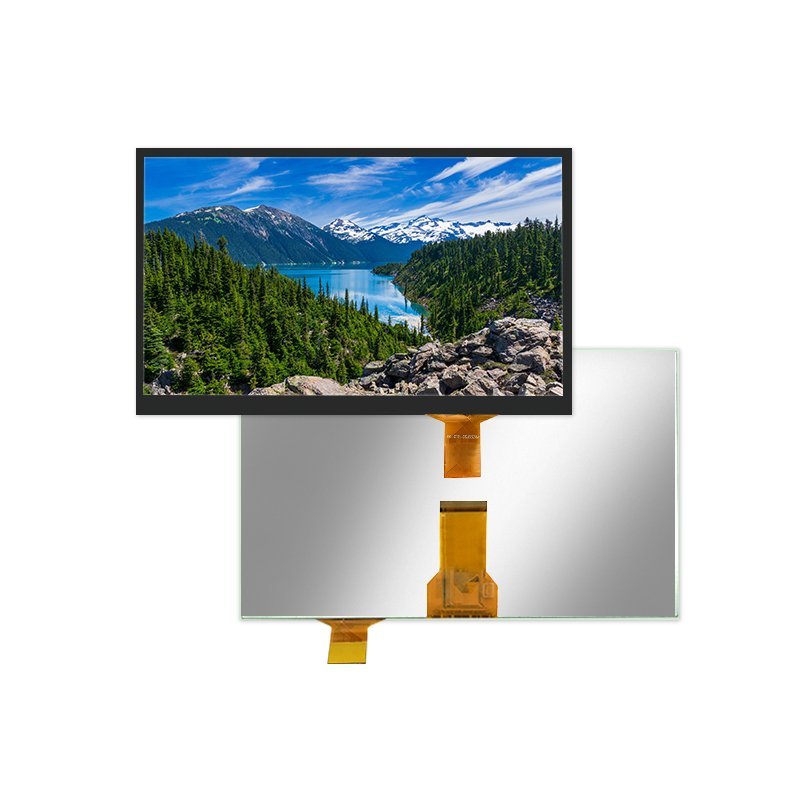
Display module
A 10.1-inch touch-display candidate for bedside terminals and equipment interfaces. Confirm the exact optical specification, cover glass and touch behavior with the intended gloves and cleaning process.
Find this platform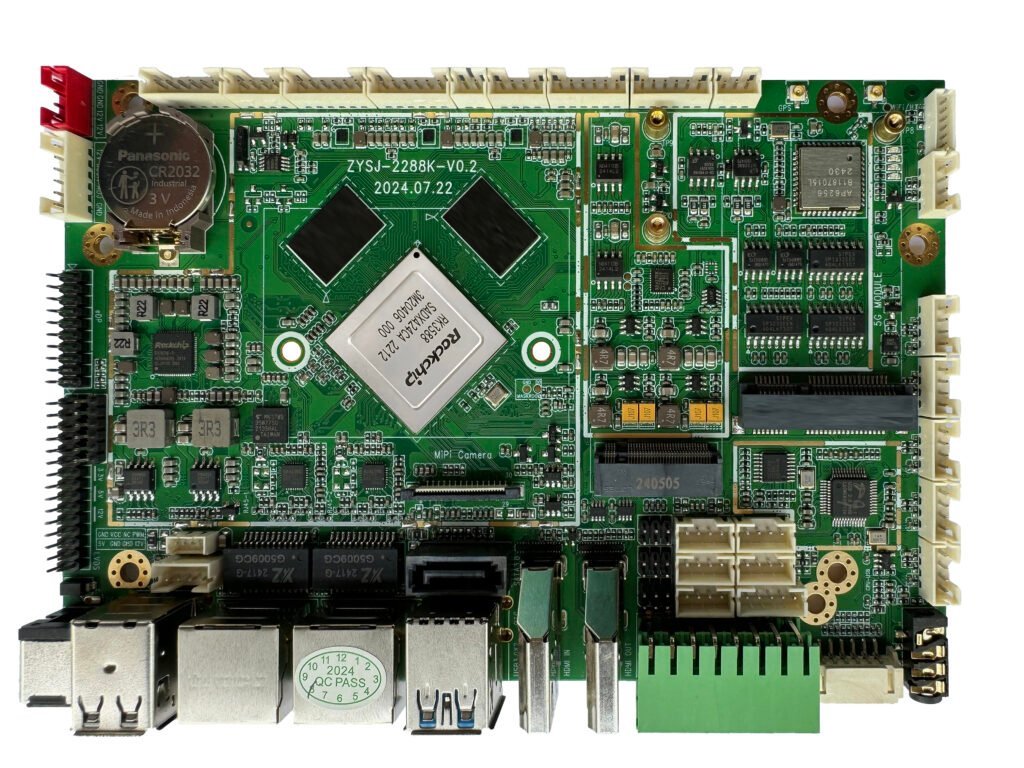
Computing module
An RK3588-based computing platform for graphical equipment interfaces. Review display outputs, host software, peripherals and thermal requirements for the selected board configuration.
Find this platformCUSTOMIZATION
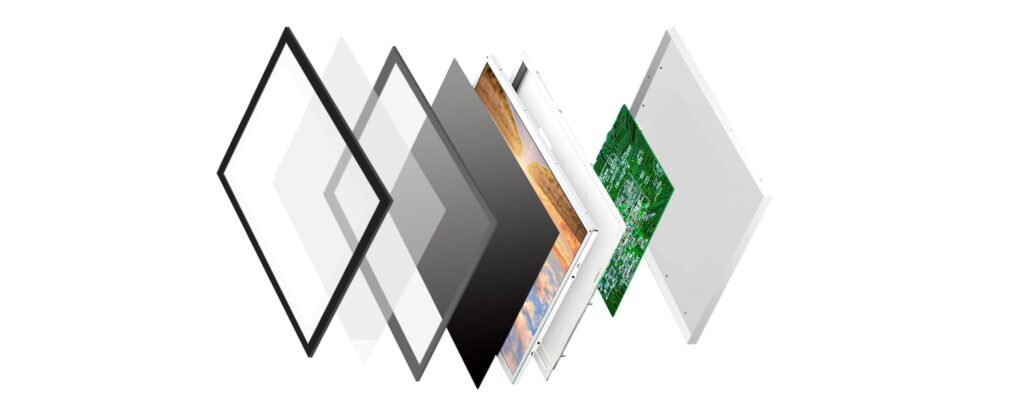
Discuss optical bonding, AG/AF treatments and cover-glass geometry. Review chemical compatibility, sealing and touch tuning under representative use conditions rather than assuming a generic front stack will fit every device.
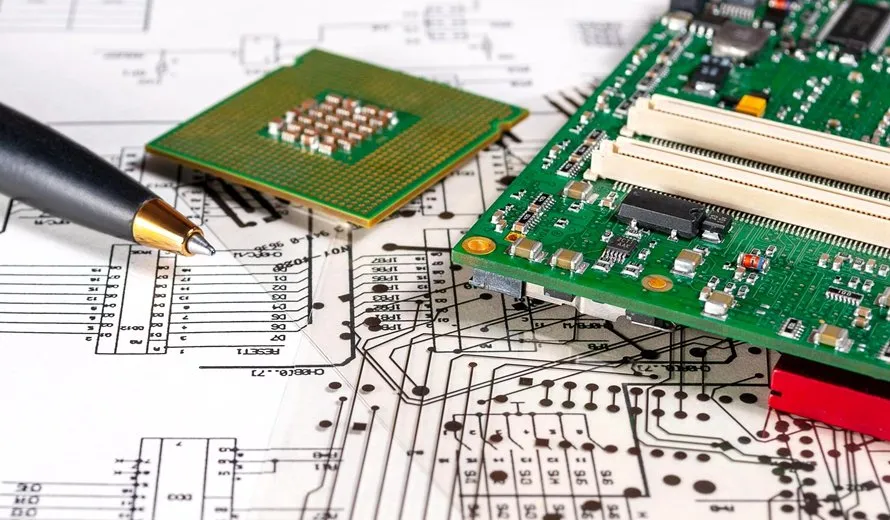
Review custom GPIO, USB and network connections, fanless thermal design and board layout. Any isolation requirements must be specified and validated at system level; component supply commitments require an agreed project plan.
DESIGN REVIEW
COMMON QUESTIONS
No. The equipment manufacturer must establish applicable requirements and complete system-level validation.
Specify the gloves and surface conditions, then verify the selected sensor and controller.
Send the intended use, display needs, host interfaces and validation plan.