RJY knowledge center

Category: LCD Basics

Display engineering insights, product updates and practical guidance for building reliable connected products.

LCD Basics

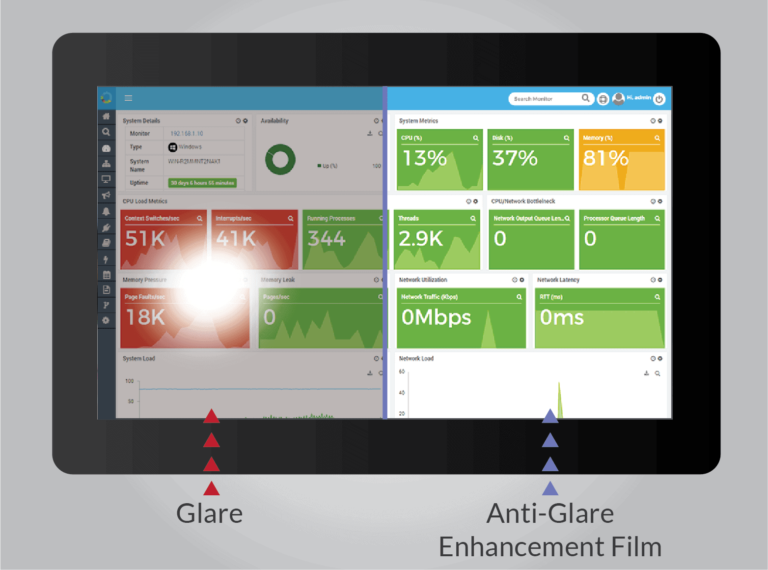
Why Are Touchscreens So Reflective? A Look at Display Glare, Materials, and Solutions

Ever tried reading your smartphone in direct sunlight only to see more of your own face than the screen itself? You’re not alone. Whether it’s a phone, tablet, ATM, or industrial control panel, touchscreens tend to be surprisingly reflective, often making them frustrating to use outdoors or under bright lighting.
But have you ever wondered why touchscreens are so reflective—and more importantly, what can be done about it? In this article, we’ll explore the science behind screen glare, what materials contribute to it, and what engineers and manufacturers are doing to reduce reflectivity in modern display design.
Read article
LCD Basics

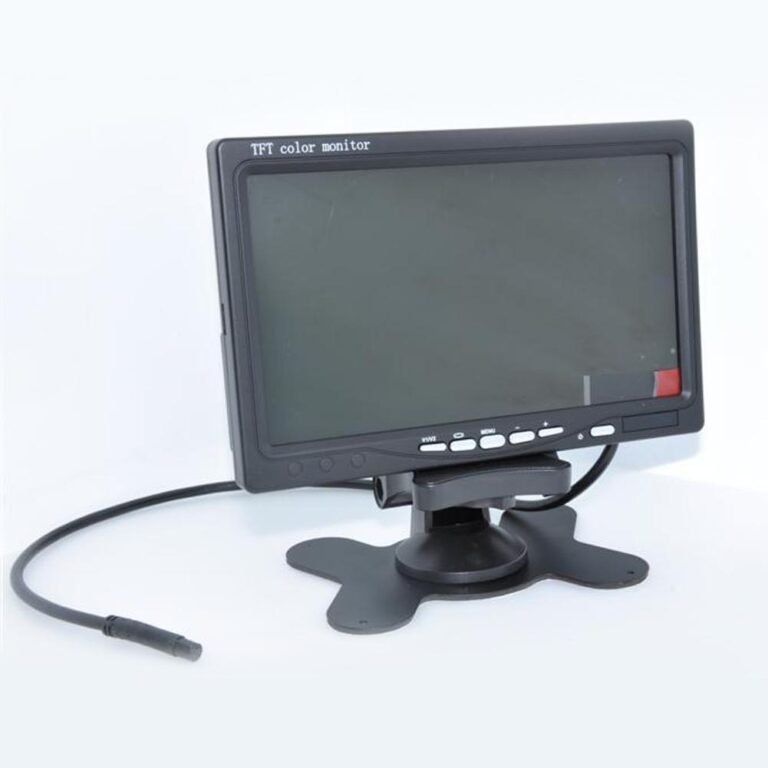
Comparing TFT and IPS Displays: Which Offers Superior Eye Comfort?

When specifying display panels for professional, industrial, or extended-use scenarios, eye comfort is a critical selection criterion. This article examines whether TFT displays (such as TN or VA panels) or IPS panels deliver superior visual ergonomics. Drawing on scientific considerations and user feedback, it evaluates characteristics that influence eye strain and viewing fatigue.

Read article
Knowledge

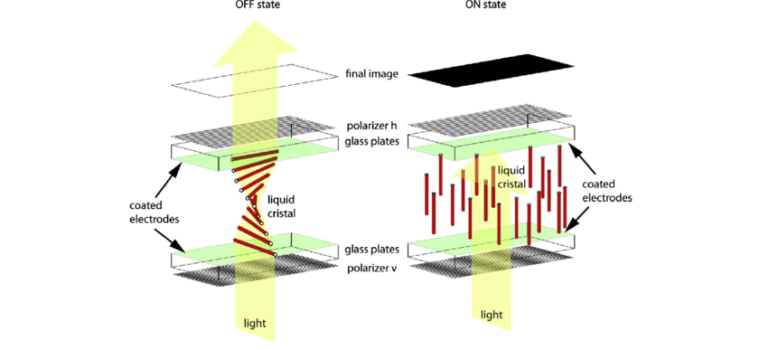
What is a Twisted Nematic LCD? Advantages, Applications & Comparison

Twisted Nematic LCD, or TN LCD, is one of the most widely used display technologies in the world. Known for its fast response time and low manufacturing cost, TN LCDs have long been a staple in consumer electronics, industrial equipment, and gaming monitors. In this article, we’ll explain how TN LCDs work, their advantages and disadvantages, and how they compare with other types like IPS and VA.

Read article