RJY knowledge center

Insights

Display engineering insights, product updates and practical guidance for building reliable connected products.

PCB Basics

How to Light Up a TFT LCD Display with STM32

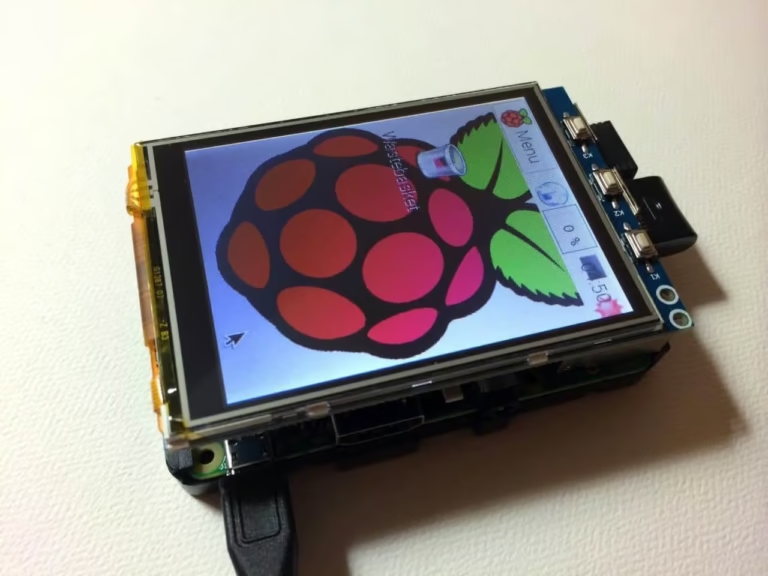
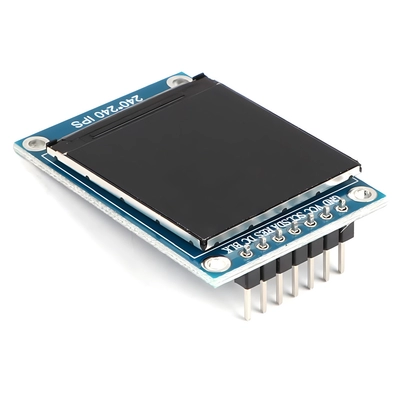
For embedded developers, lighting up a TFT LCD display for the first time can be both exciting and challenging. The STM32 family of MCUs has become a popular choice for driving TFT LCDs thanks to its performance, wide range of peripherals, and cost-effectiveness.

However, powering and initializing a TFT LCD is more than just connecting a few wires — you need to consider interface compatibility, power supply, initialization sequences, and backlight control.

In this guide, we’ll walk you through everything from hardware wiring to software initialization so you can successfully drive a TFT LCD with STM32.

Read article
LCD Basics

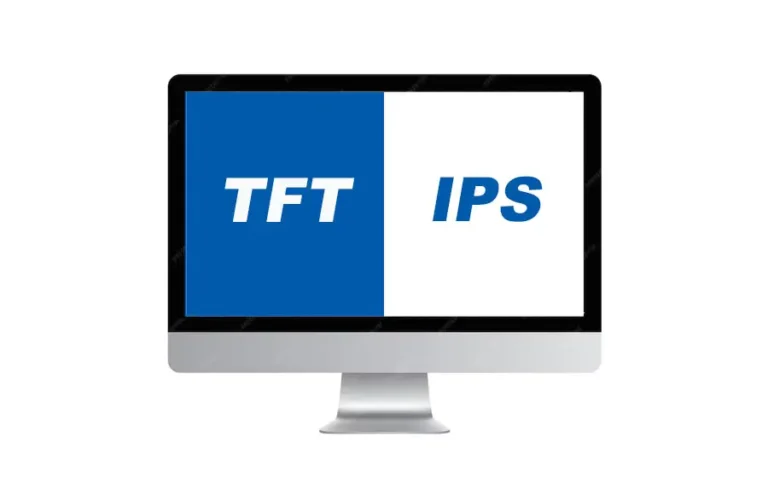
Should You Upgrade Your TFT Screen to IPS? A Friendly Guide

Thinking about replacing a TFT screen with an IPS panel? You’re in the right place. If you’ve ever squinted at your display from an angle or wondered why colors fade around the edges, this article breaks things down in everyday terms—no jargon, just what you need to know to decide if an upgrade is worth it.

Read article
LCD Basics

Need a Debuggable Fast MCU for Use with TFT LCD – Recommendations & Insights

When designing embedded systems with TFT LCDs, choosing the right microcontroller matters enormously—and not just for raw speed. You also need an MCU that supports easy debugging, clean signal handling, and flexible interfaces to your display. This article explores top MCU choices that deliver performance, debuggability, and display support, while also noting traps that can compromise stability or responsiveness.

Read article
Application

How Golf Car Vehicle Displays Improve Performance and User Experience

Modern golf car displays—especially touchscreen, GPS-integrated LCD panels—have transformed simple utility carts into smart, interactive vehicles. From navigation and performance tracking to entertainment and safety alerts, these systems go far beyond conventional analog dashboards. Let’s explore how these displays enhance both operational efficiency and user enjoyment.

Read article
TFT Basics

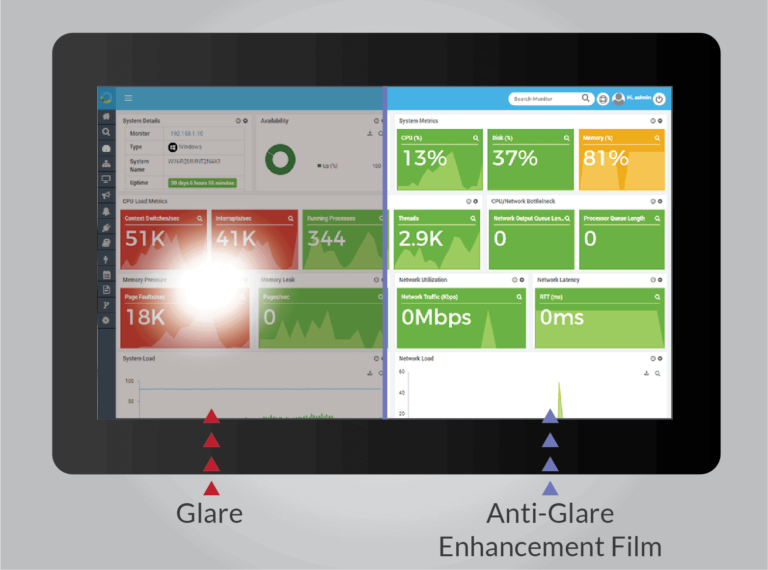
Surface Treatment for Sunlight Readable LCD Displays

For displays to remain legible in direct sunlight or harsh ambient lighting, the key challenge isn’t just brightness—it’s managing reflection. That’s where smart surface treatments come in. This article examines how anti-reflective (AR), anti-glare (AG), and optical bonding technologies work—why they matter, their trade-offs, and how they enable truly sunlight-readable LCD modules.

Read article
LCD Basics

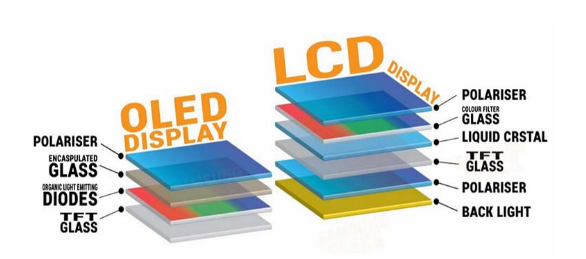
LCD vs OLED Energy Efficiency: What You Really Need to Know

When choosing between display technologies—especially for embedded systems, mobile devices, or large-format monitors—power efficiency matters just as much as image quality. LCD and OLED are the two dominant display types today, and while both have their strengths, their approaches to light, color, and power usage are fundamentally different.

Understanding which technology is more energy-efficient isn’t as simple as picking one over the other. Instead, the answer depends on several variables: the application, the average brightness needed, the kind of content displayed, and even the environment where the device is used.

Let’s dive into how LCD technology compares to OLED in terms of energy efficiency, taking a detailed, real-world approach tailored for product designers, engineers, and display specifiers.

Read article
LCD Basics

Exploring LCD Without Backlight: The Reflective LCD Display

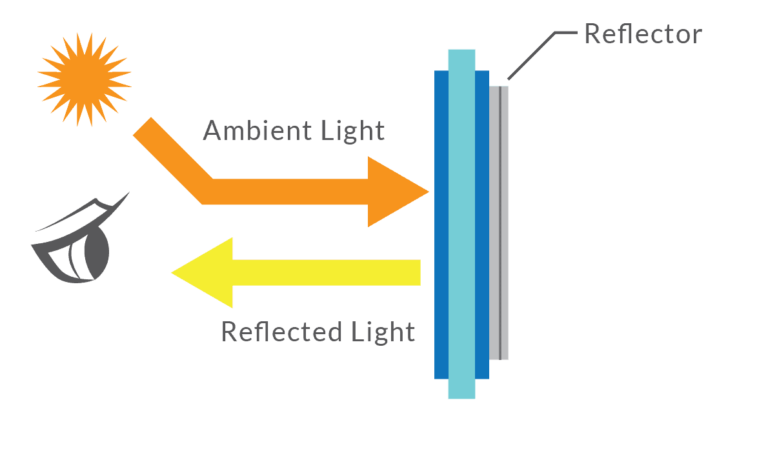
When we talk about LCD displays, we usually assume there’s a built-in LED backlight. But there’s another widely used type—especially in outdoor and wearable devices—that doesn’t need one: the reflective LCD. These displays work by reflecting ambient light back to the viewer, allowing them to remain highly visible without consuming extra power.

Read article
News

RJY Display Unveils the Future of Embedded Displays at Embedded World 2025

At Embedded World 2025 in Germany, RJY Display is proud to showcase its latest breakthroughs in display technology, purpose-built for the rapidly evolving demands of industrial and embedded applications. As a trusted partner to innovation-driven enterprises, we are especially excited to reconnect with our German clientele and unveil a portfolio of products that bring performance, design, and integration flexibility to the next level.

Read article
LCD Basics

Why Choose Between PLS and IPS Panels? A Clear Comparison

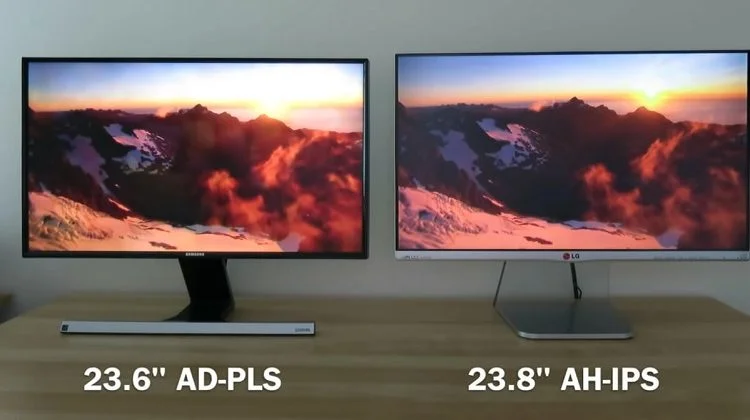
If you’ve ever browsed tech specs for a new monitor or device, chances are you’ve seen terms like IPS, PLS, or even ADS thrown around. They often appear together, and they seem similar—but are they really the same?

The short answer: not exactly.
The longer, more useful answer? Let’s break down what a PLS screen is, how it compares to IPS panels, and what the technical and real-world implications are for developers, designers, and everyday users.

Read article
LCD Basics

Why Are Touchscreens So Reflective? A Look at Display Glare, Materials, and Solutions

Ever tried reading your smartphone in direct sunlight only to see more of your own face than the screen itself? You’re not alone. Whether it’s a phone, tablet, ATM, or industrial control panel, touchscreens tend to be surprisingly reflective, often making them frustrating to use outdoors or under bright lighting.
But have you ever wondered why touchscreens are so reflective—and more importantly, what can be done about it? In this article, we’ll explore the science behind screen glare, what materials contribute to it, and what engineers and manufacturers are doing to reduce reflectivity in modern display design.

Read article