Facial Recognition System with Distance Sensor Based on Android Solutions
Discover how Android-based facial recognition systems with distance sensors enhance security, accuracy, and user experience across industries.

Display supplier &
Manufacturer
RJY knowledge center
Display engineering insights, product updates and practical guidance for building reliable connected products.
Discover how Android-based facial recognition systems with distance sensors enhance security, accuracy, and user experience across industries.
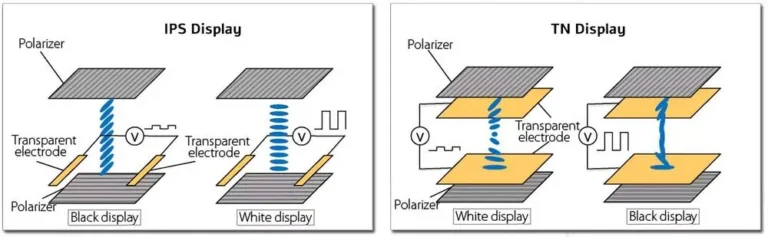
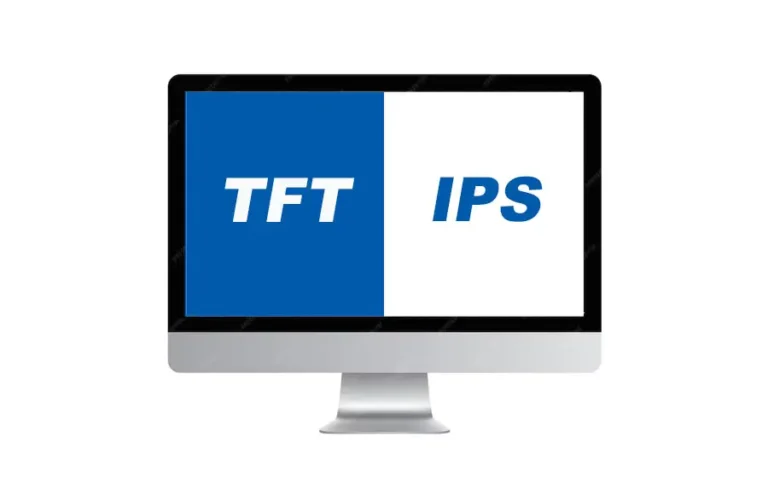
For engineers, procurement specialists, and technology enthusiasts navigating the European display market, the acronyms surrounding screen technologies can often seem contradictory. One of the most common points of confusion is the comparison between TFT (Thin-Film Transistor) and IPS (In-Plane Switching) displays.
To make an informed decision for consumer electronics, industrial interfaces, or medical equipment, it is crucial to understand that this is not a comparison of two entirely different technologies. Rather, it is an evaluation of a baseline architecture versus its most advanced refinement.
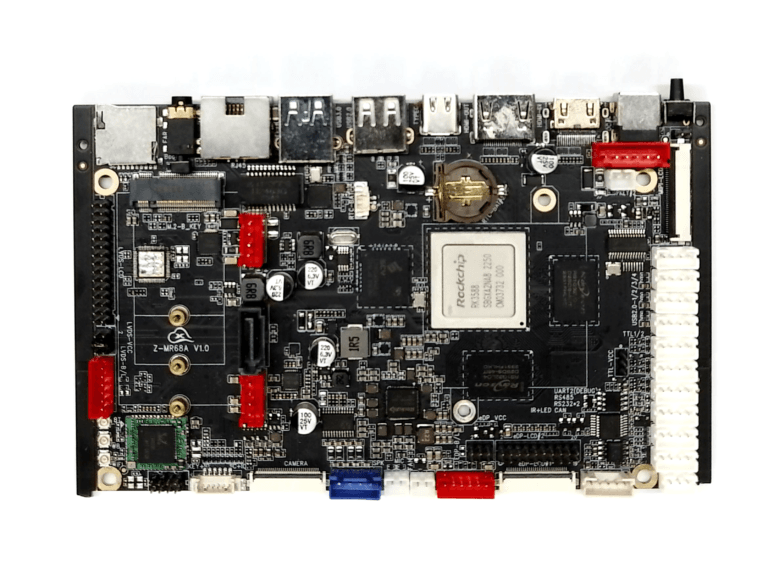
In the ever-evolving world of electronics and embedded systems, the controller board serves as the backbone of countless devices. Whether powering a simple consumer gadget, an industrial machine, or an advanced piece of medical equipment, controller boards orchestrate the logic, communication, and control functions that make modern electronics work seamlessly.
In the world of product design, engineering, and manufacturing, customers often wonder: “Why do companies charge development fees for custom projects?” On the surface, it may seem like an extra cost that could be avoided. After all, the final product is already being purchased—so shouldn’t development be part of the deal?
The reality is that custom projects require dedicated engineering, testing, and resource allocation far beyond what standard off-the-shelf products need. Development fees are not just a way for suppliers to cover costs; they represent an investment in ensuring the project’s success, reducing risks, and guaranteeing long-term performance.
This article explains why development fees are essential, what they cover, and why they actually save customers money in the long run.
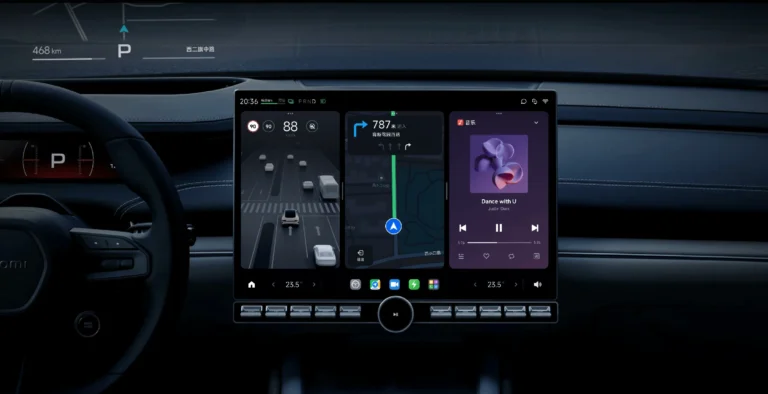
In today’s vehicles, the automotive-grade display has become a central element of both safety and user experience. From digital instrument clusters to infotainment systems and head-up displays, modern cars depend heavily on reliable, high-performance screens. But what exactly makes a display “automotive-grade”? Why can’t we simply integrate consumer electronics screens into a car?
This article explores the concept of automotive-grade displays, the technical standards they must meet, and the critical features that differentiate them from commercial-grade screens.
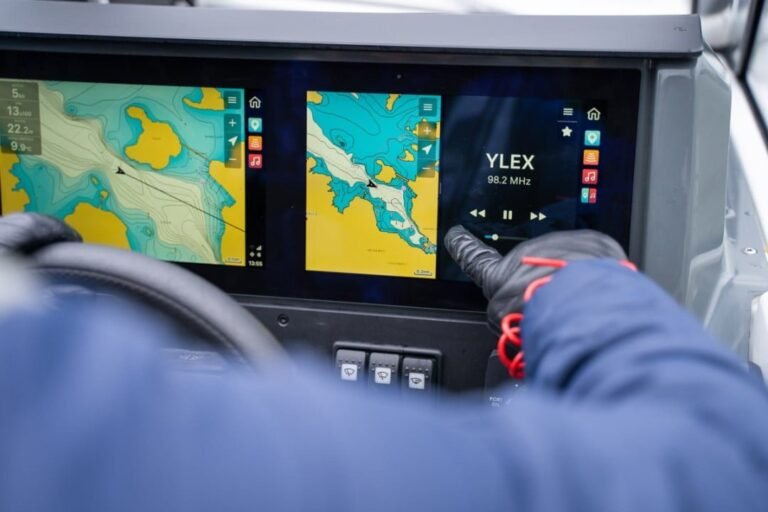
Touch screens have become an inseparable part of our daily lives—from the smartphones in our pockets to the kiosks we interact with at airports. However, not all touch displays are created equal. While consumer-grade displays prioritize aesthetics and affordability, industrial touch displays are engineered for durability, reliability, and long-term performance in harsh environments.
For engineers, product managers, or decision-makers evaluating which display technology to adopt, understanding the differences between industrial and consumer touch displays is essential. This article takes a deep dive into the technical, functional, and operational distinctions that set them apart.
In modern electronics, the touch IC chip is a critical component that bridges the gap between the touchscreen panel and the main system processor. It translates finger or stylus contact into precise digital signals, enabling smooth and responsive user interaction.
For engineers, selecting the right touch IC is more than just picking one that “works” — it involves balancing performance, integration compatibility, environmental tolerance, and long-term product reliability. In this guide, we’ll take an engineer’s perspective on how to determine the most suitable touch IC chip for your design.
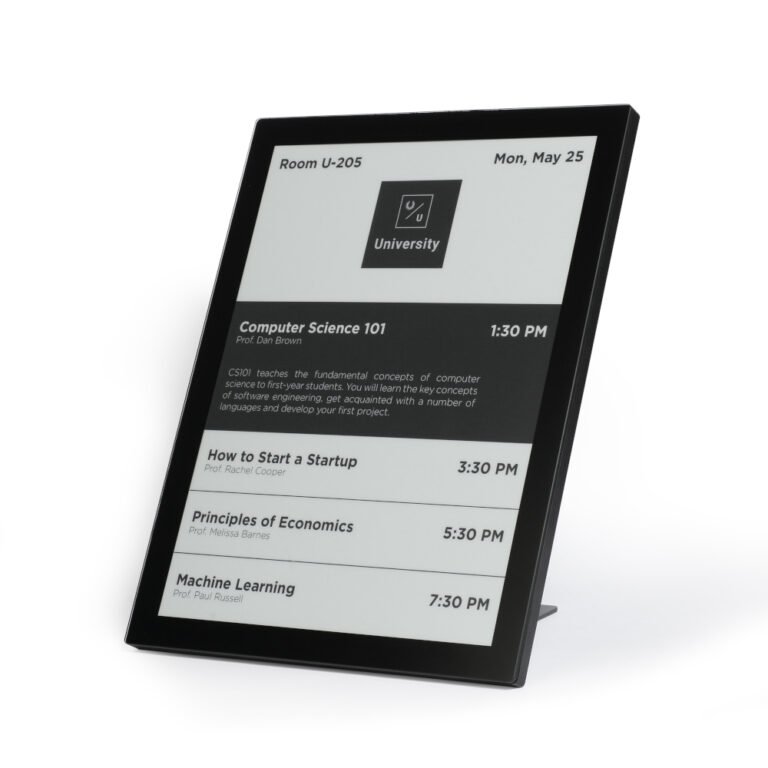
The electronic paper screen—often abbreviated as e-paper—has become one of the most innovative display technologies of the past two decades. Known for its paper-like readability, low power consumption, and thin profile, electronic paper screens are widely used in e-readers, IoT devices, digital signage, and even smart wearables. Unlike traditional LCD or OLED displays, e-paper mimics the appearance of ink on paper, making it highly comfortable for prolonged reading and outdoor use.
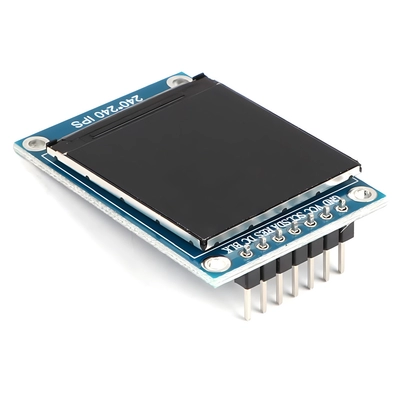
For embedded developers, lighting up a TFT LCD display for the first time can be both exciting and challenging. The STM32 family of MCUs has become a popular choice for driving TFT LCDs thanks to its performance, wide range of peripherals, and cost-effectiveness.
However, powering and initializing a TFT LCD is more than just connecting a few wires — you need to consider interface compatibility, power supply, initialization sequences, and backlight control.
In this guide, we’ll walk you through everything from hardware wiring to software initialization so you can successfully drive a TFT LCD with STM32.
Separate Touch Connector: The First Clue Most touch-screen TFT modules include two separate connectors: If your TFT board only has a single […]
Thinking about replacing a TFT screen with an IPS panel? You’re in the right place. If you’ve ever squinted at your display from an angle or wondered why colors fade around the edges, this article breaks things down in everyday terms—no jargon, just what you need to know to decide if an upgrade is worth it.
When designing embedded systems with TFT LCDs, choosing the right microcontroller matters enormously—and not just for raw speed. You also need an MCU that supports easy debugging, clean signal handling, and flexible interfaces to your display. This article explores top MCU choices that deliver performance, debuggability, and display support, while also noting traps that can compromise stability or responsiveness.