
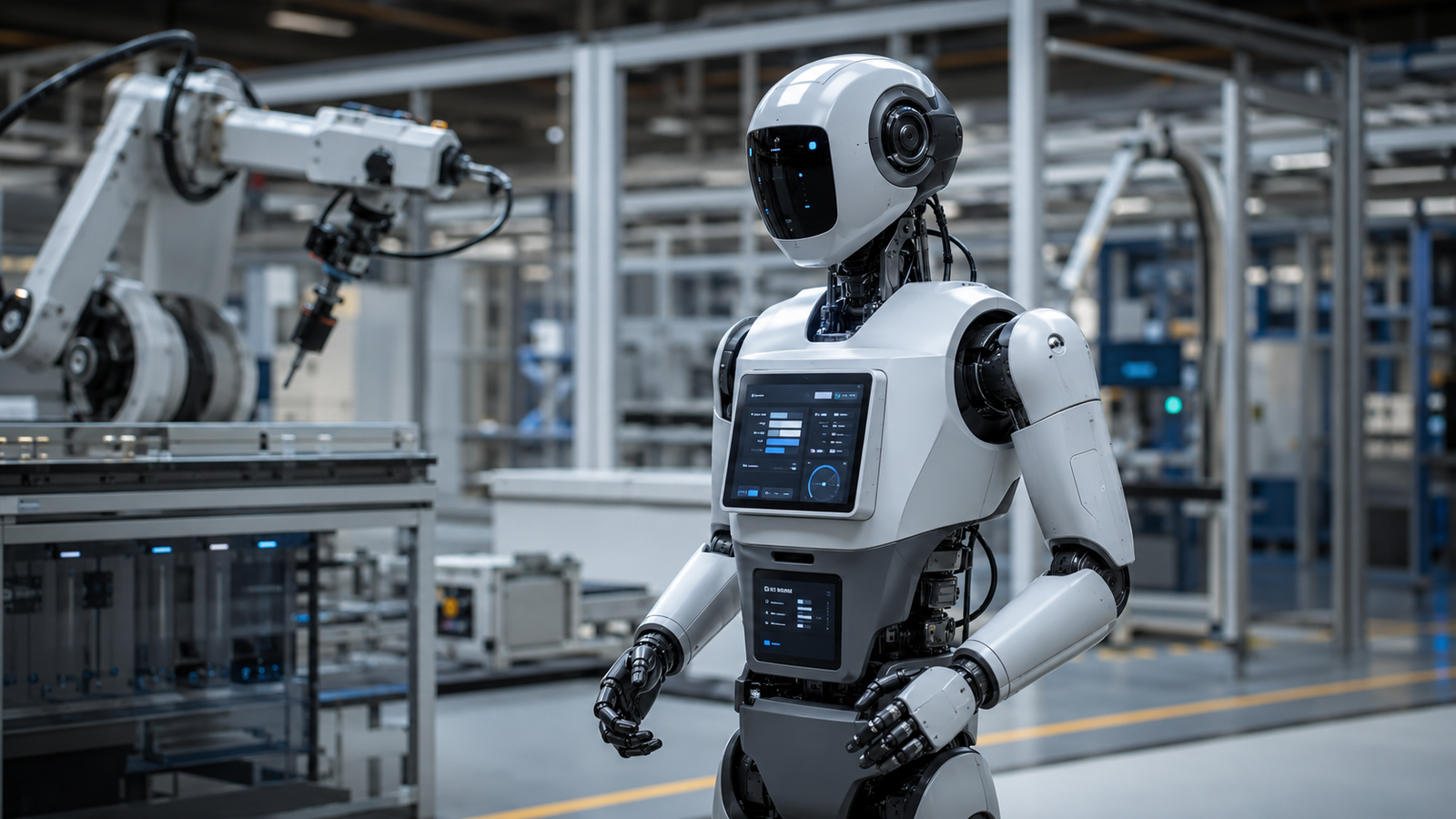
人型ロボットは、産業オートメーションにおいて最も注目されている方向性の一つとなっている。その魅力は理解しやすい。工場、倉庫、サービスエリアは、すでに人間のリーチ、工具、ワークステーション、通路を基準に設計されているからである。人間に似た形状を持つロボットは、固定式産業ロボットを中心に再設計することが難しいタスクの自動化に、最終的には貢献する可能性がある。.
しかしながら、商業的な見通しについては慎重な評価が必要である。国際ロボット連盟(IFR)は、人型ロボットが多額の投資を集めており、産業用およびサービス用アプリケーションでの評価が進められている一方で、広範な採用は依然として不確実であると指摘している。.[1] 今日の実践的な産業プロジェクトにおいて、差し迫った機会は通常、あらゆる作業をこなせる万能ロボットではない。それは、定義されたタスク、動作環境、およびワークフローに対する管理された導入である。.
ディスプレイサプライヤーとロボット開発チームにとって、これは重要な意味を持つ。なぜなら、LCDディスプレイがすべての人型ロボットに自動的に必要とされるわけではないからである。ディスプレイを使用する場合、それはロボットのヒューマンマシンインターフェース(HMI)、診断ワークフロー、機械構造、電気アーキテクチャ、およびサービスプロセスの一部として選定されるべきである。 人型ロボット用のカスタムLCDディスプレイは、 外観だけのために画面を追加するのではなく、定義された統合問題を解決するものでなければならない。.
産業用人型ロボット:現実の機会ではあるが、まだ均一な市場ではない
根底にある産業オートメーション市場は依然として大きい。IFRの報告によると、2024年には世界で542,000台の産業用ロボットが設置され、年間設置台数は4年連続で50万台を超えている。.[2] この設置ベースは、人型ロボットが従来のロボットアーム、協働ロボット、無人搬送車、または専用オートメーションセルに取って代わることを意味するものではない。.
むしろ、人型ロボットが最も関連性を持つのは、既存の作業スペースが人間の形状をした機械を有利にする状況である。すなわち、人間が設計した設備周辺での材料搬送、反復的な組立支援、機械のティンディング、検査支援、社内物流、および移動性、リーチ、操作、または変化するレイアウトへの適応を必要とする可能性のあるその他のタスクである。.
ディスプレイへの影響は重要である。初期の産業用人型ロボットプラットフォームでは、その役割に応じて異なるディスプレイ構成が必要になる可能性がある:
- セットアップ、診断、メンテナンス、試運転のためのローカルサービスディスプレイ
- 監視付き運用のための胴体搭載型ステータスディスプレイ
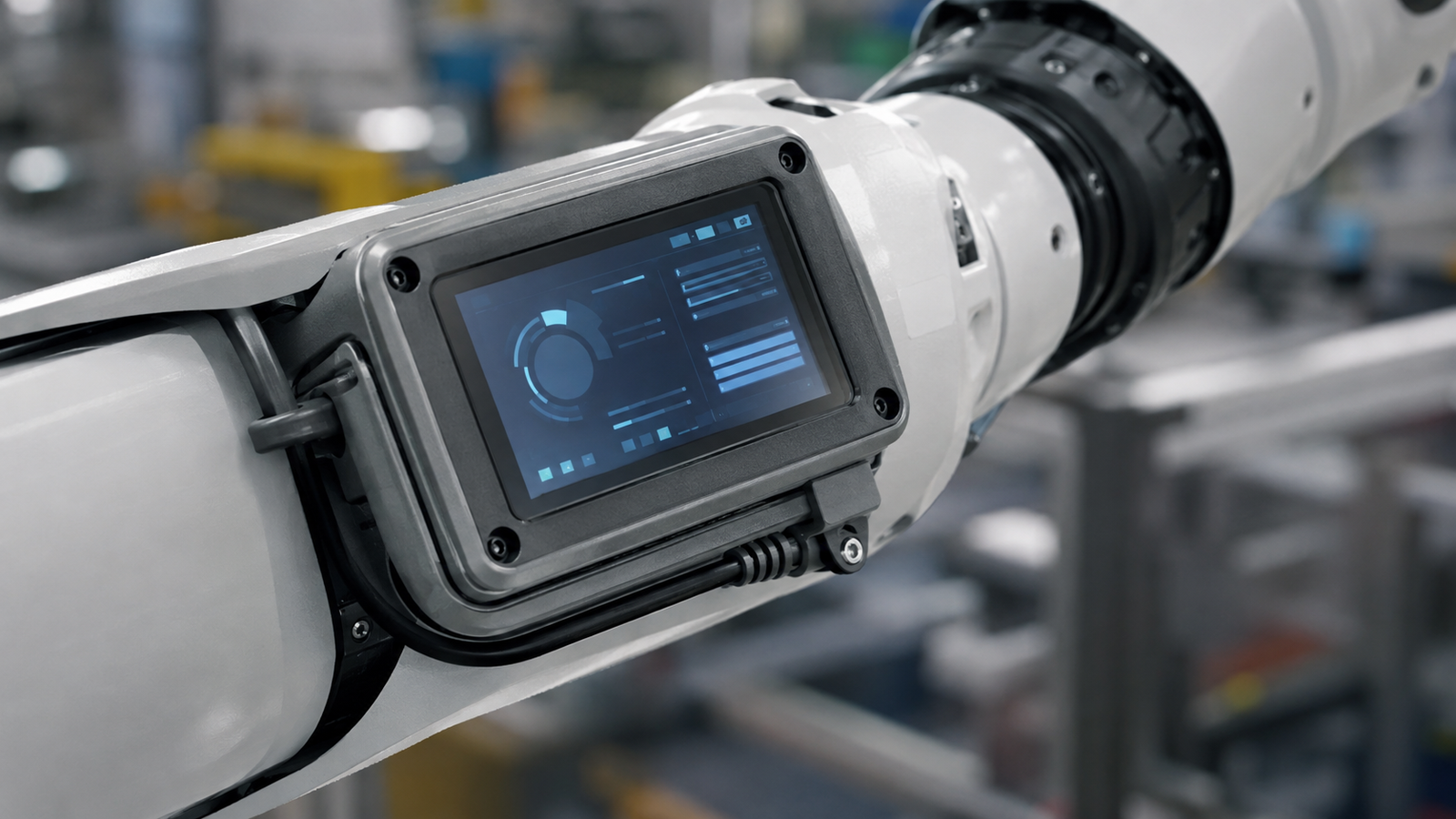
- タスク確認または技術者アクセスのためのアームまたは腰部搭載型インターフェース
- ロボットに搭載されたディスプレイではなく、別個のオペレーターターミナル
- 移動式充電ステーション、テストステーション、またはフリートサポートステーションに統合されたディスプレイ
したがって、正しい設計上の問いは「すべての人型ロボットに最適なディスプレイは何か」ではない。それは次の通りである: 誰が、どの動作状態で、どの物理的な位置から、どの情報を見る必要があるのか?
人型ロボットにLCDディスプレイが必要となるケース
ローカルの試運転およびメンテナンス用HMI
ローカルLCDは、技術者に起動ステータス、診断、サービス指示、キャリブレーションプロンプト、またはメンテナンスワークフローへのアクセスを提供できる。この役割においては、機械的アクセス、コネクタ位置、ケーブル配線、保守性、および前面表面の保護が、大きな表示面積よりも重要になる場合がある。.
オペレーター向けのタスクおよびステータスインターフェース
一部の産業用導入では、タスク選択、機械状態、警告、ワークフロー確認、または人間の作業者とロボット間の引き継ぎのために、オペレーター向けディスプレイが必要になる場合がある。このディスプレイは、ソフトウェアインターフェース、視聴距離、取り付け位置、周囲光、および物理的な操作方法と合わせて検討する必要がある。.
組み込みサブシステムディスプレイ
一部のプロジェクトでは、ディスプレイはロボット本体ではなく、バッテリーサブシステム、充電ステーション、メンテナンスパネル、エンドエフェクタ、制御キャビネット、または外部HMIに属する場合がある。これらの機能を分離することで、メンテナンスが簡素化され、すべての操作を小型の本体搭載画面に強制することを回避できる。.
ディスプレイは主要な安全機構として扱われるべきではない。産業用ロボットの安全性とシステム統合には、プロジェクトレベルのリスク評価と適切な制御アーキテクチャが必要である。ISO 10218-1:2025は産業用ロボットの安全要件に対応し、ISO 10218-2:2025はロボットアプリケーションとロボットセル統合に対応している。.[3]
人型ロボット用LCDディスプレイの主要な選定基準
1. サイズの前にディスプレイの役割を定義する
サイズは最初の選定基準ではない。ロボットローカル診断ディスプレイ、技術者向けメンテナンスパネル、およびオペレーター向けHMIは、表示面積、解像度、タッチ操作、および取り付け位置に関して非常に異なる要件を持つ場合がある。ユーザー、使用状態、視聴距離、情報密度、および期待される操作を定義することから始める。.
2. 完全な機械的スタックを評価する
人型ロボットは限られた内部容積と複雑な可動構造を持つ。ディスプレイは、ハウジング、支持フレーム、取り付けポイント、ケーブル経路、コネクタアクセス、FPC曲げ半径、サービス用クリアランス、および近接するジョイントや可動カバーと合わせて審査されるべきである。.
適切なTFT LCDモジュールであっても、その元のベゼル、FPC方向、コネクタ位置、または背面深度がロボット構造と競合する場合、統合が困難になることがある。これは、パネル単体ではなくディスプレイアセンブリを評価すべき理由の一つである。.
3. 前面表面と操作方法を審査する
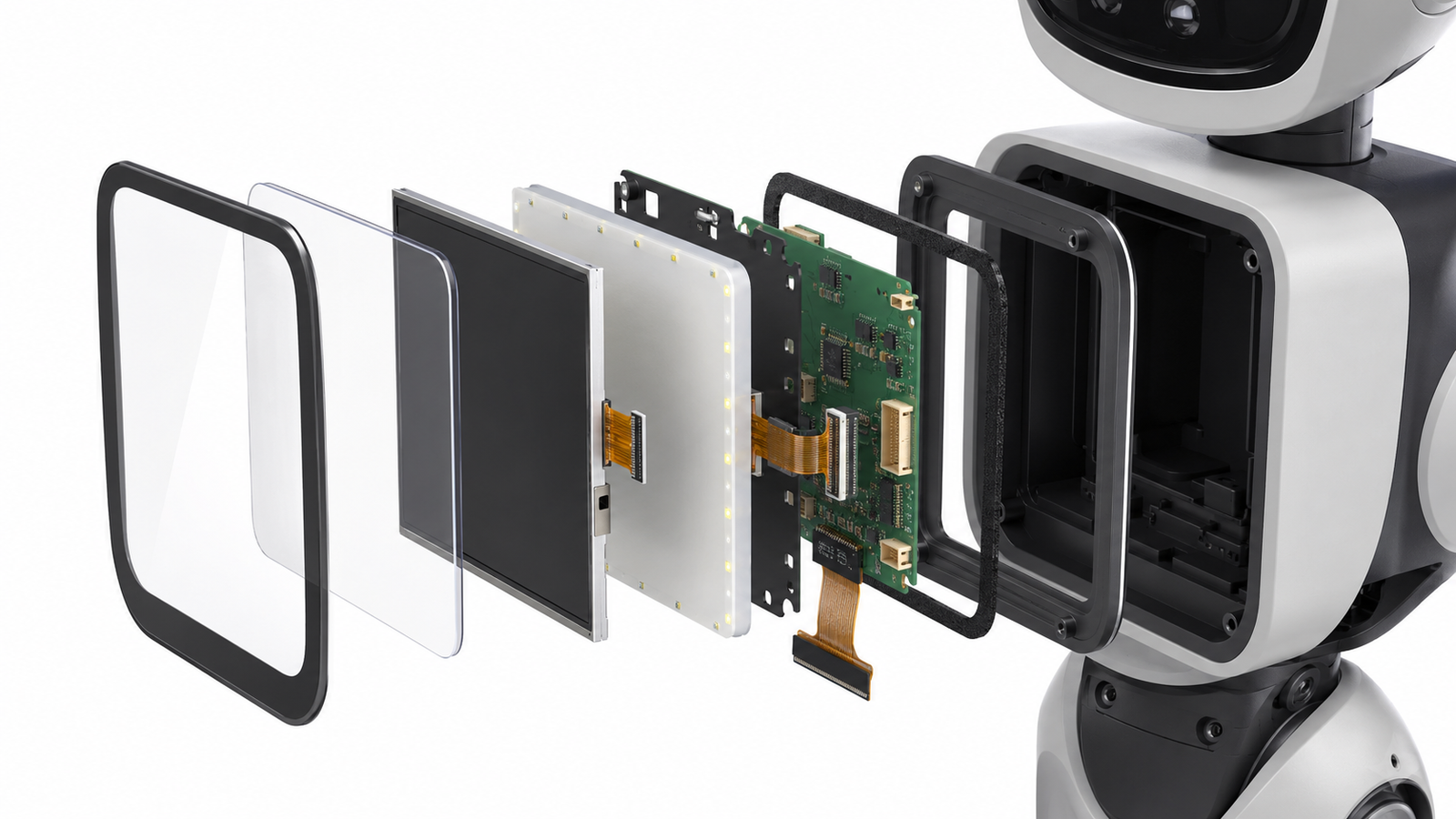
前面ディスプレイスタックには、カバーガラス、タッチ層、TFT LCD、バックライト、取り付け構造、および周囲のハウジングが含まれる場合がある。必要な構成は、インターフェースが手袋を着用した技術者、工場環境のオペレーター、または試運転中のサービス要員によって使用されるかによって異なる。.
タッチは完全なシステムの一部として選定されるべきである。タッチパネル、タッチコントローラ、ホストインターフェース、ソフトウェアドライバ、座標マッピング、カバーガラス、および動作環境は、一緒に審査されるべきである。タッチソリューションがあらゆるLCDパネルまたはコントローラーボード構成で動作すると想定すべきではない。.
4. インターフェースとコントローラーボード経路を整合させる
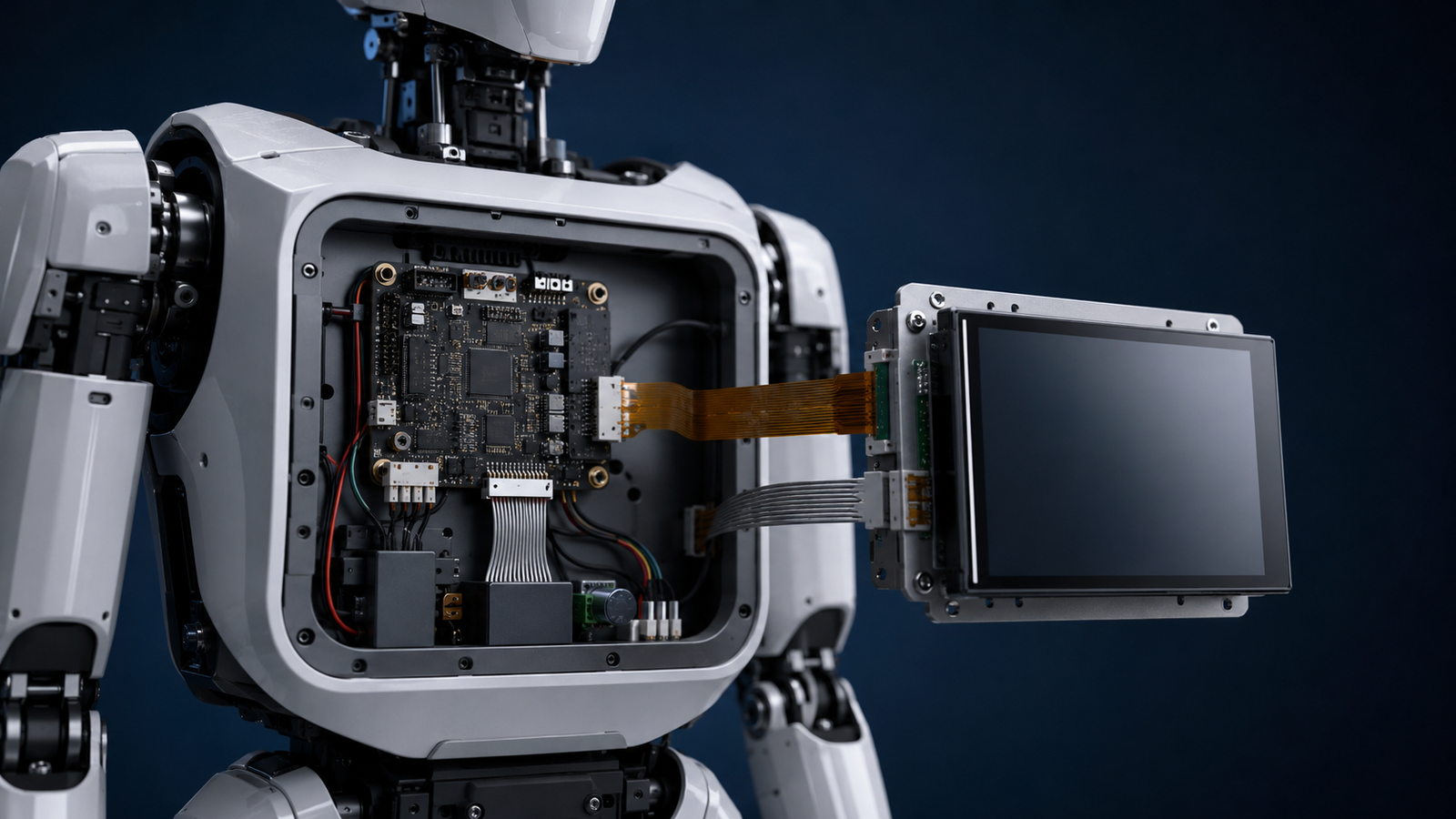
ディスプレイ統合は実際のホストハードウェアに依存する。ロボット制御アーキテクチャは、組み込みプロセッサ、産業用コンピュータ、AndroidまたはLinuxプラットフォーム、または専用ディスプレイコントローラを使用する場合がある。コントローラーボード経路が提案される前に、プロジェクトはパネルモデル、解像度、インターフェース、ピン定義またはデータシート、バックライト要件、タッチ要件、オペレーティングシステムまたはファームウェアのニーズ、およびアプリケーション環境を提供する必要がある。.
RJY Displayは、HDMI、VGA、LVDS、MIPI、eDP、USB、および関連するパネルインターフェースを含む一般的なインターフェース全体でのディスプレイコントローラー適応をサポートしている。互換性は、普遍的なプラグアンドプレイの約束ではなく、検証プロセスとして引き続き扱われる。.
5. 視認性と熱統合をシステム上の問題として考慮する
視認性は完全な光学スタック、すなわちパネル特性、バックライト構成、カバーガラス、表面反射、視野角、ユーザーインターフェースのコントラスト、および設置角度によって影響を受ける。同様に、熱挙動はパネル、バックライト、コントローラ電子機器、エンクロージャ設計、および局所的な熱源に依存する。.
輝度、動作範囲、シール性能、寿命、および環境適合性は、選択された構成とプロジェクト要件が確認された後にのみ仕様化されるべきである。汎用LCDが、その審査なしにあらゆる産業用ロボット環境に適していると提示されるべきではない。.
人型ロボットプロジェクトにおいてカスタムLCDアセンブリが重要である理由
多くの産業用人型ロボットプログラムでは、既存のディスプレイモジュールから開始し、周辺アセンブリを適合させるという実用的なアプローチが有効です。これにより、製品統合に最も直接的に影響する要素に注力しながら、開発リスクを低減できます。.
- カバーガラスのカスタマイズ: 可視領域、前面外観、印刷枠、筐体開口部をロボットまたはサービスパネルの設計に整合させます。.
- タッチスクリーンのカスタマイズ: 想定されるユーザー操作とソフトウェア環境に応じて、タッチ構造とコントローラ経路を評価します。.
- バックライトのカスタマイズ: 選択した動作環境における視認性、消費電力、熱的考慮事項、および表示動作を検討します。.
- インターフェースおよびFPCのカスタマイズ: 利用可能なスペース、コネクタへのアクセス、内部ケーブル配線に合わせてディスプレイ接続を調整します。.
- コントローラ基板およびファームウェアのサポート: パネル適合性、入力要件、タッチサポート、プロジェクト固有のファームウェア要件を確認します。.
- 機械的調整: 取り付けフレーム、前面パネル、背面クリアランス、サービスアクセス、筐体構造に関連するディスプレイの適合性をサポートします。.
RJY Displayのカスタマイズ作業は、主に既存のディスプレイモジュールに基づいています。これは、完全に新しいLCDパネルサイズをゼロから開発することを意味するものではありません。.
実践的な選定ワークフロー
- ユースケースを定義する: ローカル診断、オペレーターHMI、保守インターフェース、サブシステム表示、または外部ターミナル。.
- 機械的エンベロープを把握する: 可視領域、モジュール外形、筐体開口部、取り付けポイント、コネクタアクセス、FPC経路。.
- 電気的経路を確認する: ホストプロセッサ、ディスプレイインターフェース、タッチインターフェース、電源設計、バックライト要件、ファームウェア要件。.
- ユーザー操作を検討する: タッチ、ボタン、手袋使用、サービスワークフロー、視聴距離、UI情報階層。.
- プロジェクト固有のカスタマイズを定義する: カバーガラス、タッチ、バックライト、インターフェース、FPC、コントローラ基板、ファームウェア、またはディスプレイ関連の機械的調整。.
- 量産前に検証する: サンプルおよびプロジェクトレベルの技術レビューを通じて、選択した構成を確認します。.
カスタム人型ロボットディスプレイ審査に必要な情報
カスタムディスプレイアセンブリを評価するには、以下を提供してください:
- ロボットの用途およびディスプレイの意図された機能
- 希望するディスプレイサイズ、アクティブエリア、解像度
- 機械図面、3D参照、または利用可能な設置エンベロープ
- 既存のディスプレイモデルまたは参照モジュール(利用可能な場合)
- ホストプロセッサ、必要な入力インターフェース、パネルドキュメント
- タッチスクリーン、カバーガラス、前面パネルの要件
- バックライト、視認性、動作環境の要件
- FPC方向、コネクタ位置、ケーブル配線、サービスアクセスの制約
- コントローラ基板、オペレーティングシステム、ファームウェアの要件
- サンプル数量、予想年間需要、MOQ目標、プロジェクトスケジュール
産業用ロボットディスプレイプロジェクトについての相談
RJY Displayは、既存のディスプレイモジュールに基づいて、産業用ロボティクス向けTFT LCDアセンブリの評価を支援できます。ロボットの用途、機械的参照、ディスプレイ要件、インターフェース情報、カスタマイズ範囲を共有してください。これにより、構成が提案される前に、ディスプレイ、タッチ、バックライト、FPC、コントローラ基板、ファームウェア、機械的統合要件を確認できます。.
カスタマイズプロジェクトは通常、製品タイプとプロジェクト要件に応じて、約500ユニットのMOQから開始されます。.
よくある質問
すべての産業用人型ロボットにLCDディスプレイが必要ですか?
いいえ。ディスプレイは、試運転、診断、保守、タスク確認、オペレーター操作などの明確な機能をサポートする場合にのみ有用です。一部のプロジェクトでは、ロボット搭載ディスプレイの代わりに外部HMIまたはサービス端末を使用する場合があります。.
人型ロボット用LCDディスプレイを選定するために必要な情報は何ですか?
ディスプレイ機能、目標サイズと解像度、機械的エンベロープ、インターフェース、パネルドキュメント、タッチ要件、カバーガラス要件、FPCおよびコネクタの制約、電源およびバックライト情報、動作環境、ファームウェア要件、予想数量を提供してください。.
RJY Displayは、新しい人型ロボット画面サイズをゼロから開発できますか?
RJY Displayは、既存のディスプレイモジュールに基づくカスタマイズに注力しています。サポートには、カバーガラス、バックライト、タッチスクリーン、インターフェース、FPC、コントローラ基板、ファームウェア、ディスプレイ関連の機械的調整が含まれる場合があります。完全に新しいパネルサイズの開発を想定すべきではありません。.
LCDパネルが選定される前にコントローラ基板を確定できますか?
予備的なルートについて協議することは可能ですが、互換性は実際のLCDパネルモデル、解像度、インターフェース、ピン定義またはデータシート、バックライトデータ、タッチ要件、入力ソース、ファームウェアまたはオペレーティングシステムの要件、およびアプリケーション環境を用いて確認する必要があります。.
ロボット用LCDアセンブリのどの部分をカスタマイズできますか?
選択されたディスプレイモジュールとプロジェクトレビューに応じて、カスタマイズにはカバーガラス、タッチスクリーン、バックライト、インターフェース、FPC、コントローラボード、ファームウェア、およびディスプレイ関連の機械構造の調整が含まれる場合があります。.