Liquid Crystal Displays (LCD): How They Work, Types and Selection Guide
Learn how liquid crystal displays work, compare LCD types, and select and integrate a display module for an embedded product.
Knowledge
Guides to display selection, interfaces and integration.
Learn how liquid crystal displays work, compare LCD types, and select and integrate a display module for an embedded product.
Understand LCD resolution, pixel density, scaling and system requirements to select a display for an embedded product.
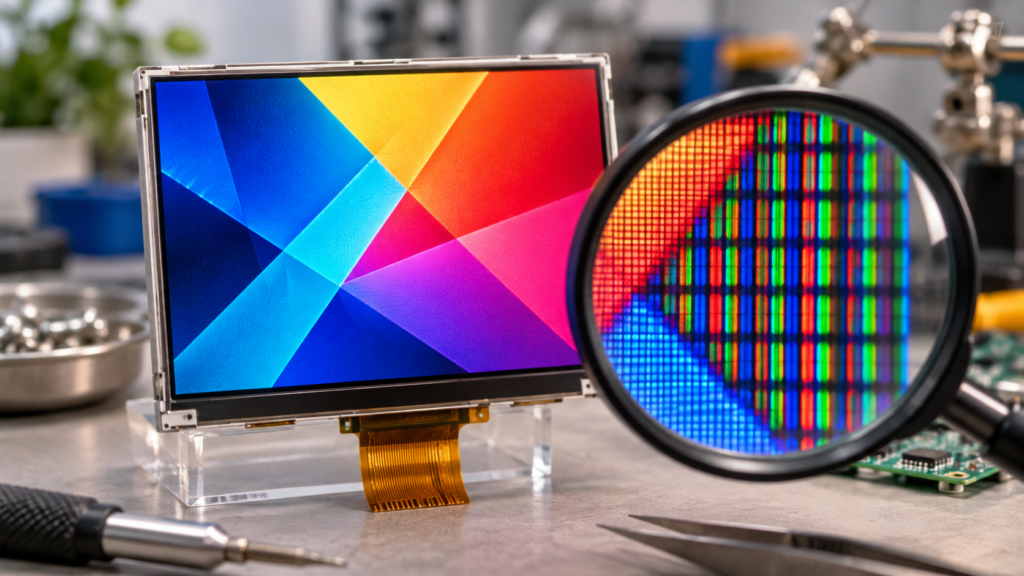
Learn how TFT LCD row and column drivers set pixel voltages, why polarity is inverted, and how the backlight differs from pixel control.
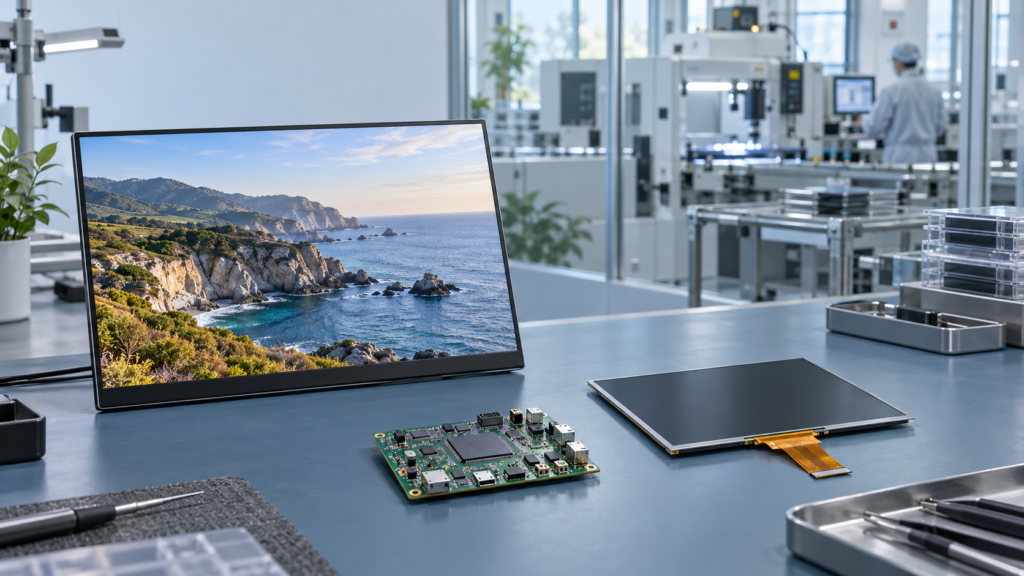
AI is changing display competition through image processing, interaction and manufacturing. This market analysis examines the implications for OEM design and sourcing.
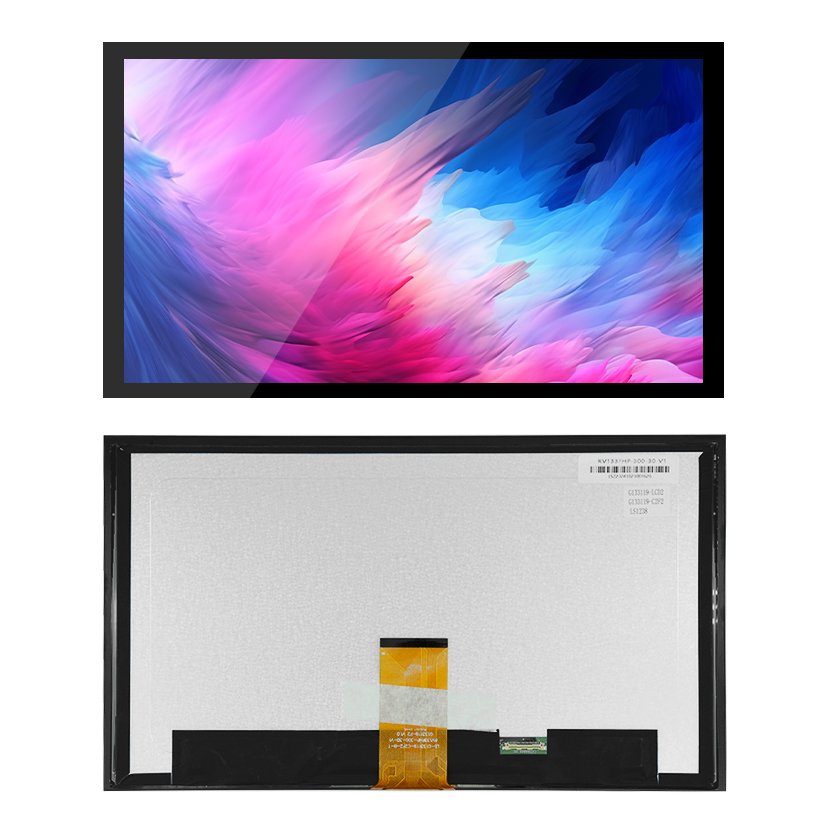
The LCD works with the short bench cable. After the controller board moves deeper into the enclosure and a longer harness is installed, colored sparkles appear. Sometimes the image drops out only when a motor starts or the cabinet warms up. The longer cable is an important clue, but it is not a diagnosis. The […]

A parcel locker network can grow rapidly while the display opportunity becomes more selective. Some stations guide customers through a local touchscreen. Others move the interaction to a phone and remove the screen entirely. For display buyers and suppliers, counting cabinets is only the beginning. The more useful question is which locker workflows justify a […]

A customer pays for a wash on a phone, closes the machine door, and waits. The phone confirms payment, but the washer has not started. At that moment, the most valuable feature on the machine is a clear explanation of what must happen next. This is the commercial laundry display opportunity in practical terms. Payment, […]
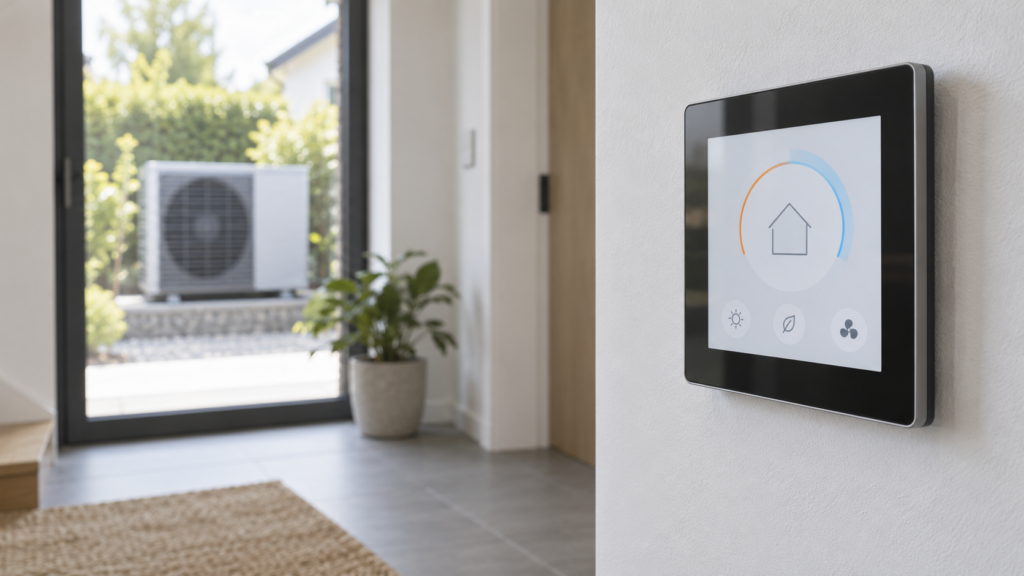
Two heat pumps can perform similar heating tasks while buying very different display hardware. One product may have a small equipment-mounted screen, another a wall controller, and a third a simplified local interface supported by an app. A stronger equipment market does not determine which configuration wins. For heat pump OEMs and display suppliers, the […]
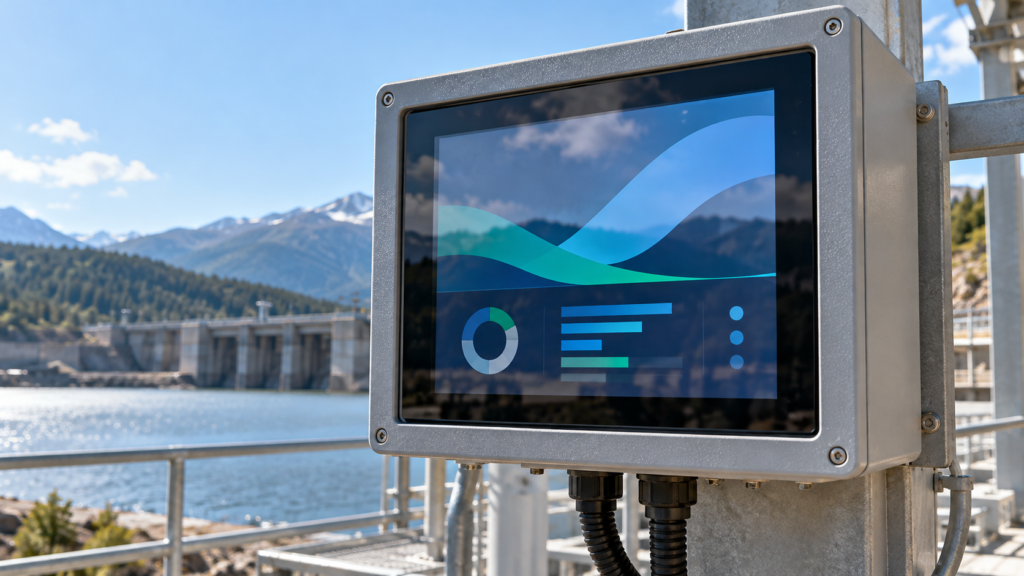
Specify display luminance and sunlight readability using viewing geometry, ambient contrast, optical stack and sustained thermal conditions.
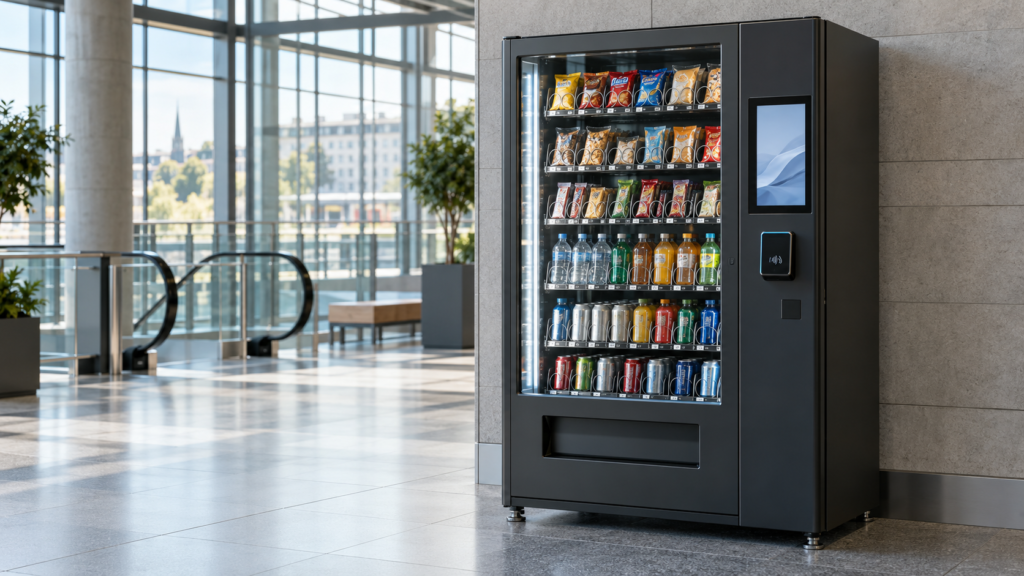
A vending machine can accept contactless payments, report stock remotely, and still give customers a poor buying experience. The problem may be an unclear selection step, a payment prompt on a different screen, or no useful explanation when a product fails to dispense. Adding a larger display helps only if it resolves one of those […]

A delivery robot, a public information robot, and a floor-cleaning robot can all operate in the same hotel. Their display requirements can be entirely different. One may need a guest-facing handoff screen, another a menu for visitors, and the third a compact interface used mainly by employees. That difference defines the opportunity for display suppliers. […]
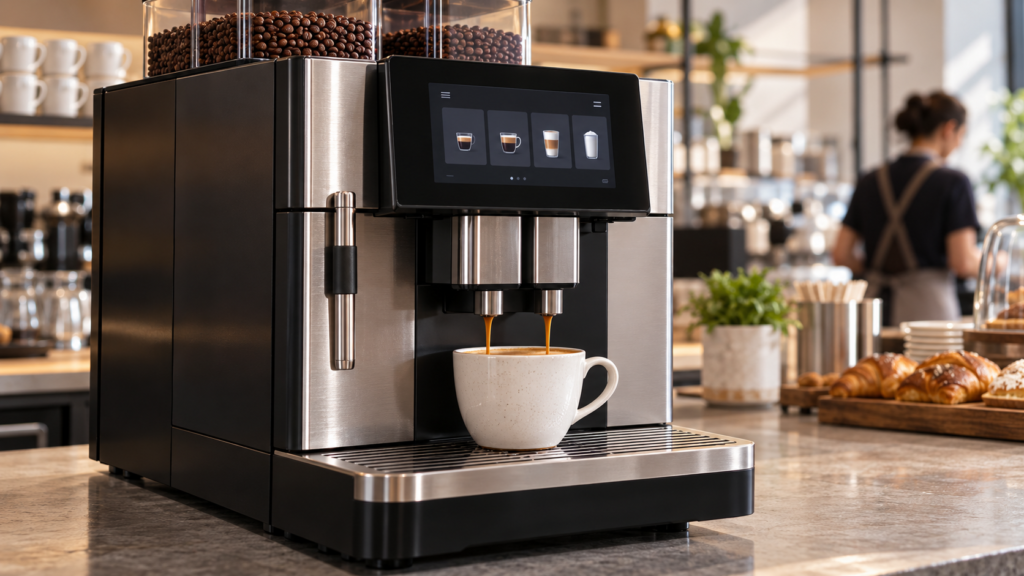
A café adds a new espresso machine. A hotel replaces its breakfast coffee equipment. An office operator introduces a self-service station. Each purchase can create a display opportunity, but the interface tasks differ: a trained barista needs fast control, a guest needs clear choices, and a technician needs useful service information. For equipment OEMs, the […]
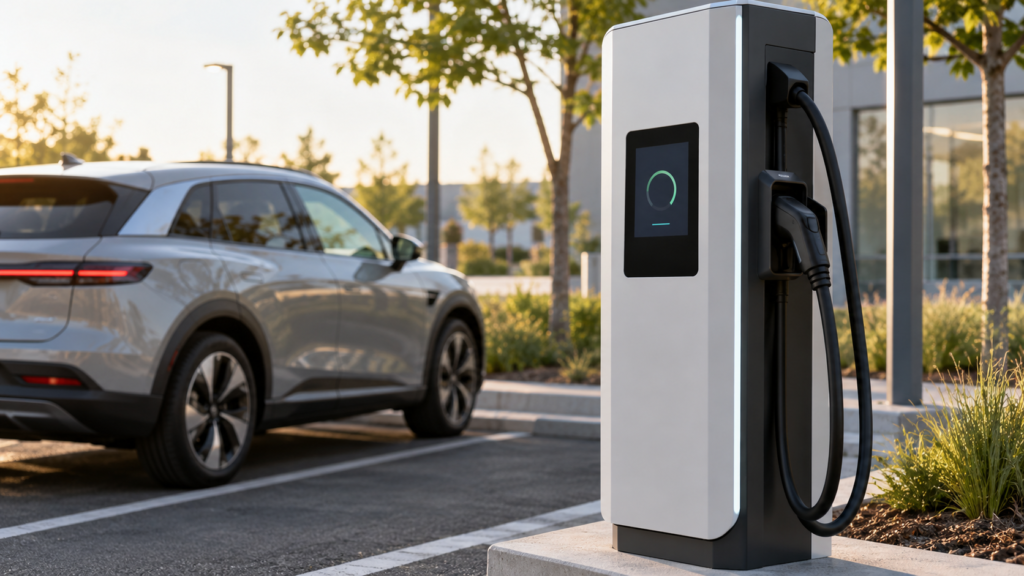
A growing charging network creates opportunities for display suppliers, but the opportunity is uneven. A compact home wallbox, a highway fast charger, and a fleet depot can each add charging capacity while buying very different interface hardware. For equipment manufacturers, the useful market question is therefore specific: where does a local display make charging easier […]
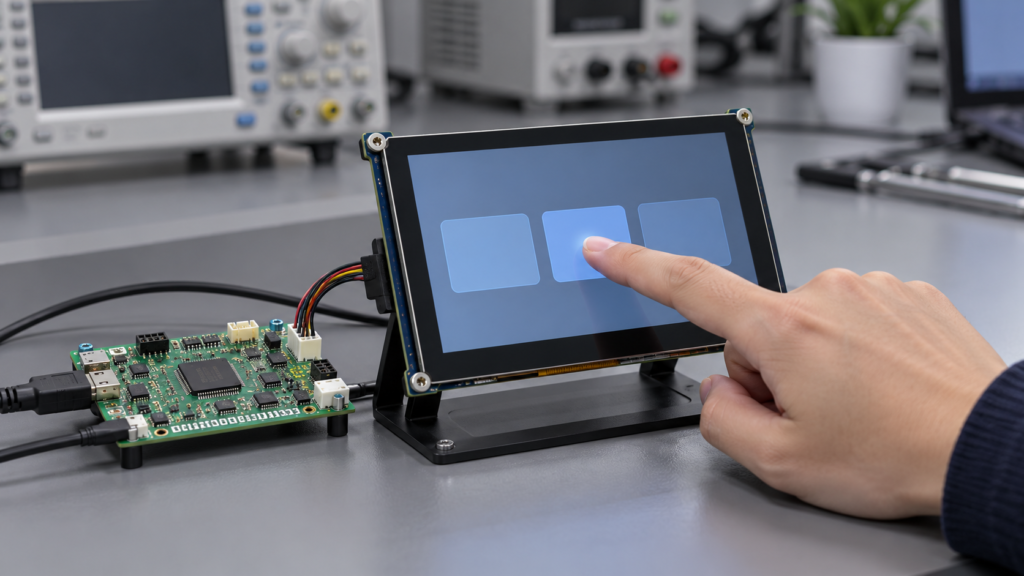
A touch display works correctly on the development bench. After installation in the equipment enclosure, buttons activate without a finger on the glass. In another prototype, a continuous drag breaks into separate touches when the power adapter is connected. The LCD image remains stable in both cases. These symptoms do not justify replacing the touch […]
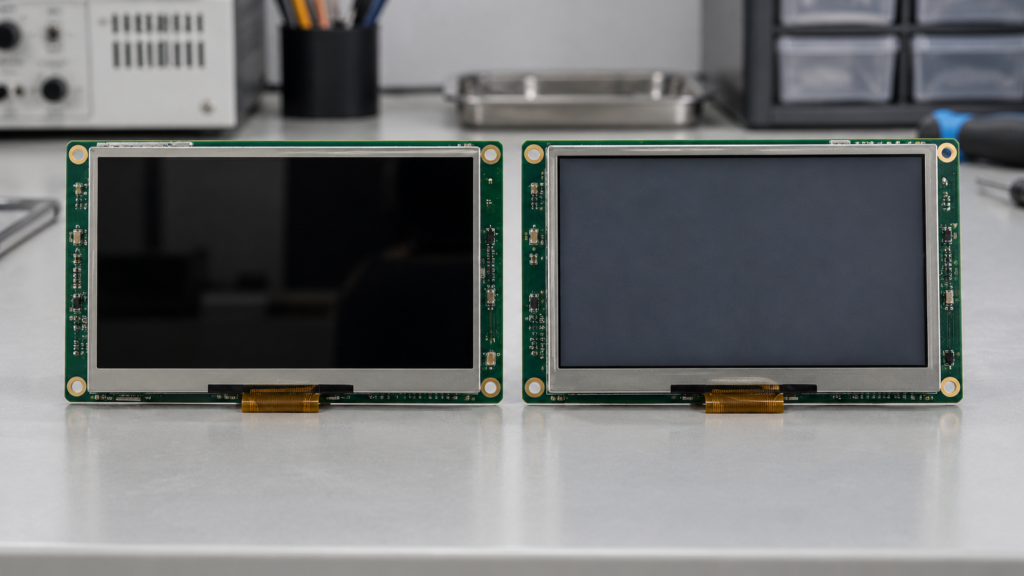
An embedded HMI starts normally, displays its interface, and responds to touch. After an idle timeout, the screen goes dark. The next wake event brings the system back, but the LCD stays black. Restarting the device restores the image. This failure is easy to misread. A successful cold boot shows that the system can produce […]
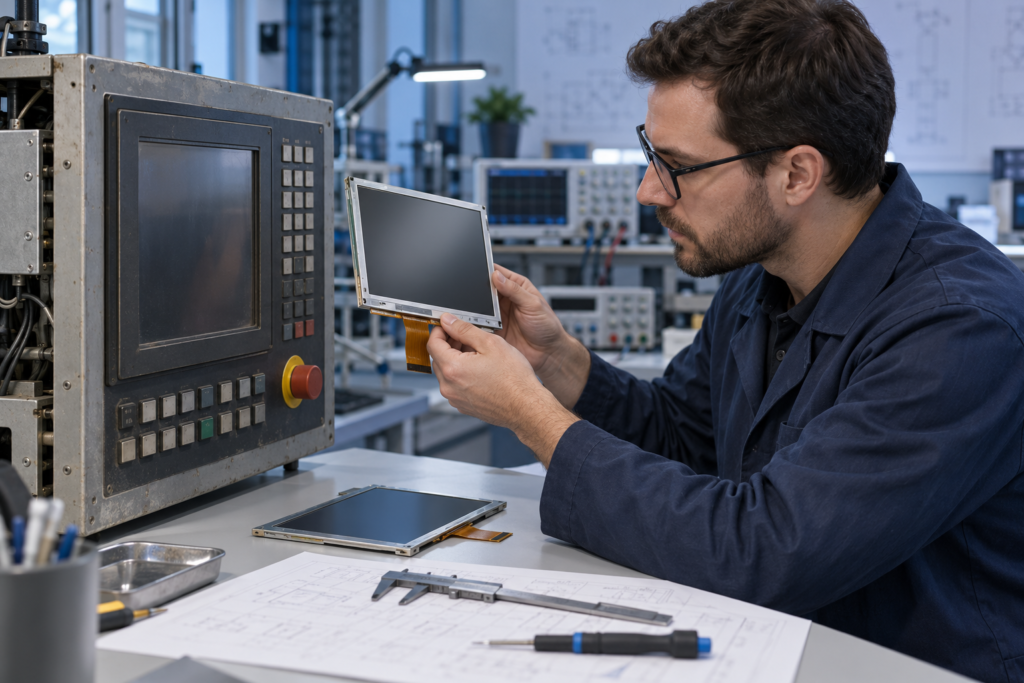
A display reaches end of life, but the equipment built around it may still have years of market demand. This is a familiar problem for manufacturers of industrial controls, smart-home products, security terminals, instruments and specialized electronic equipment. Finding a discontinued LCD replacement is rarely as simple as ordering another screen with the same diagonal […]
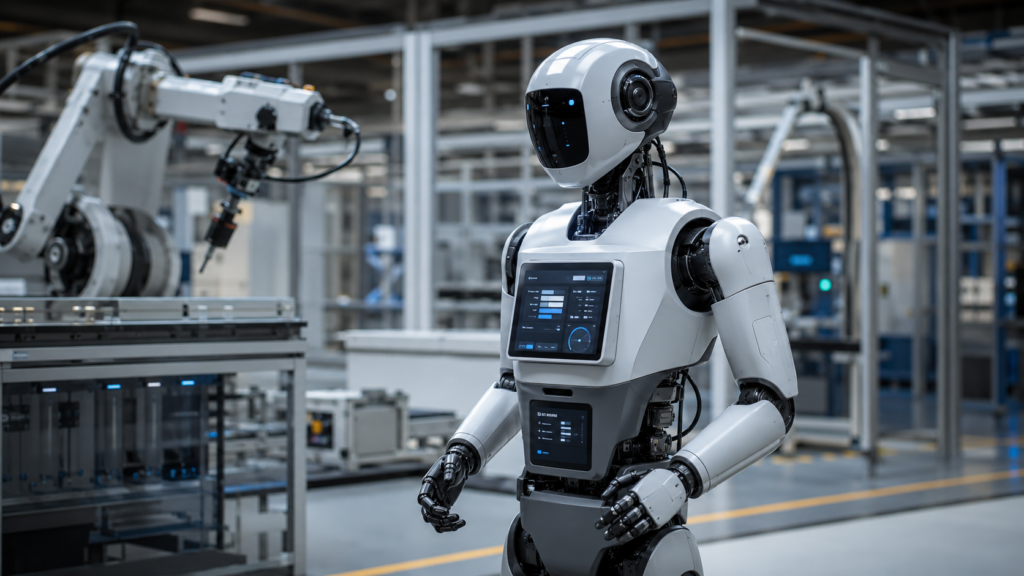
Humanoid robots have become one of the most closely watched directions in industrial automation. Their appeal is understandable: factories, warehouses, and service areas are already designed around human reach, tools, workstations, and passageways. A robot with a human-like form may eventually help automate tasks that are difficult to redesign around a fixed industrial robot. However, […]
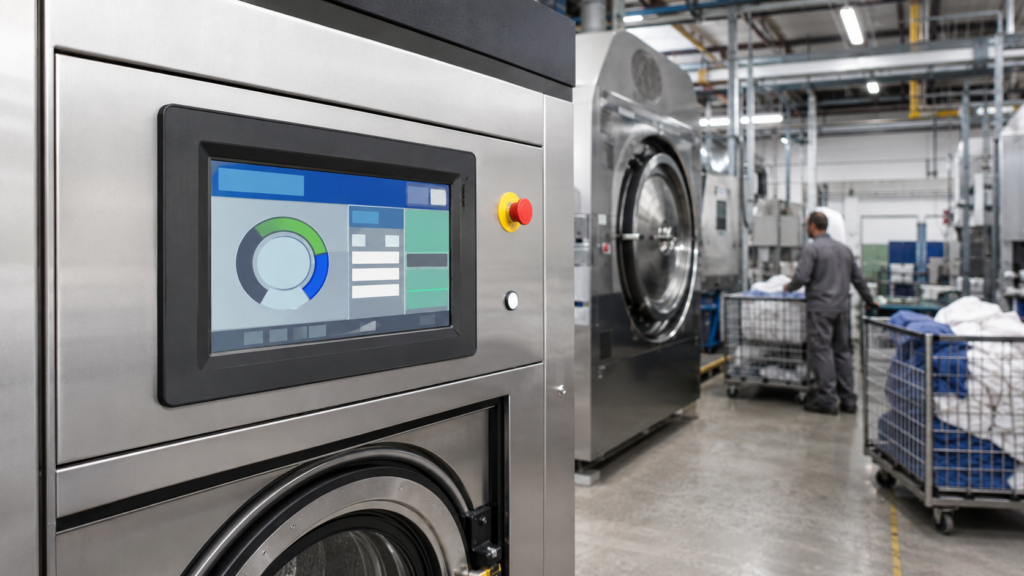
Industrial laundry equipment can include washer-extractors, dryers, finishing equipment, tunnel-washing systems, chemical-dosing equipment, and related material-handling stations. In each case, the operator interface must do more than display attractive graphics. It must present the right machine information at the right moment, accept deliberate input, and remain integrated with the host controller, enclosure, service approach, and […]
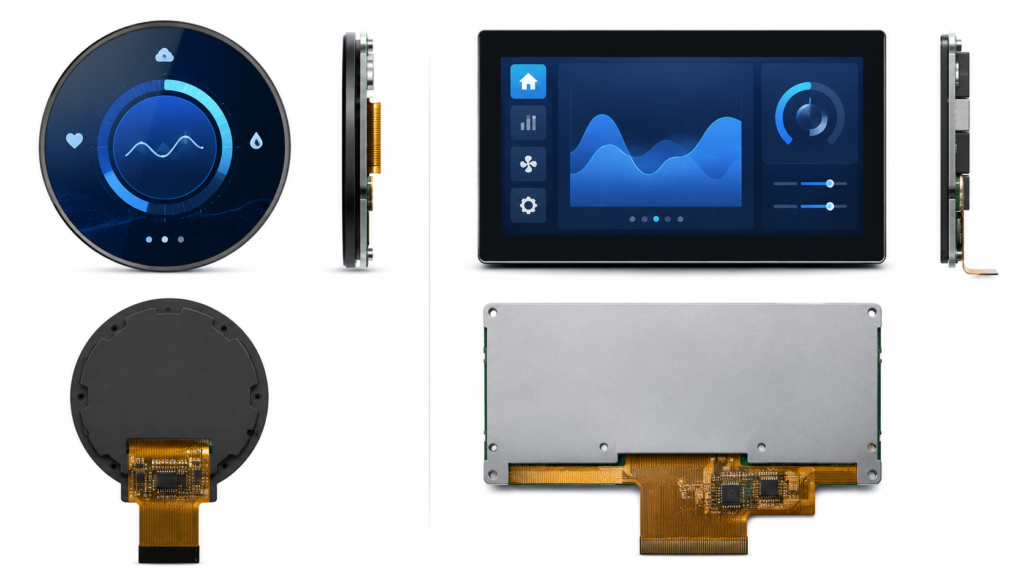
A round TFT LCD is a circular display module based on thin-film transistor liquid crystal display technology. Unlike a standard rectangular TFT LCD, a round TFT LCD is designed with a circular active display area, making it suitable for smart interfaces, control knobs, dashboards, wearables, home appliances, industrial HMI panels, and other products where a […]

A TFT LCD module is a complete display component built around a thin-film transistor liquid crystal display. It is commonly used in embedded products, industrial equipment, smart devices, medical instruments, control panels, handheld terminals, and HMI systems. Compared with a bare LCD panel, a TFT LCD module usually includes the display panel, backlight, driver circuit, […]
The global human-machine interface (HMI) landscape in 2026 is characterized by a definitive shift toward specialized, high-resolution, and intelligent display systems. Thin-Film Transistor (TFT) Liquid Crystal Displays (LCDs) remain the bedrock of this evolution, particularly in the industrial, automotive, and medical sectors where the demand for reliability and long-term availability outweighs the rapid obsolescence cycles […]

As we navigate through 2026, the industrial and consumer display markets have reached a point of technological convergence. While emerging platforms like MicroLED are making headlines for their 5,000-nit brightness and 100,000-hour lifespans , the core decision for most engineers and OEMs still revolves around the battle of oled vs lcd. In the modern ecosystem, […]
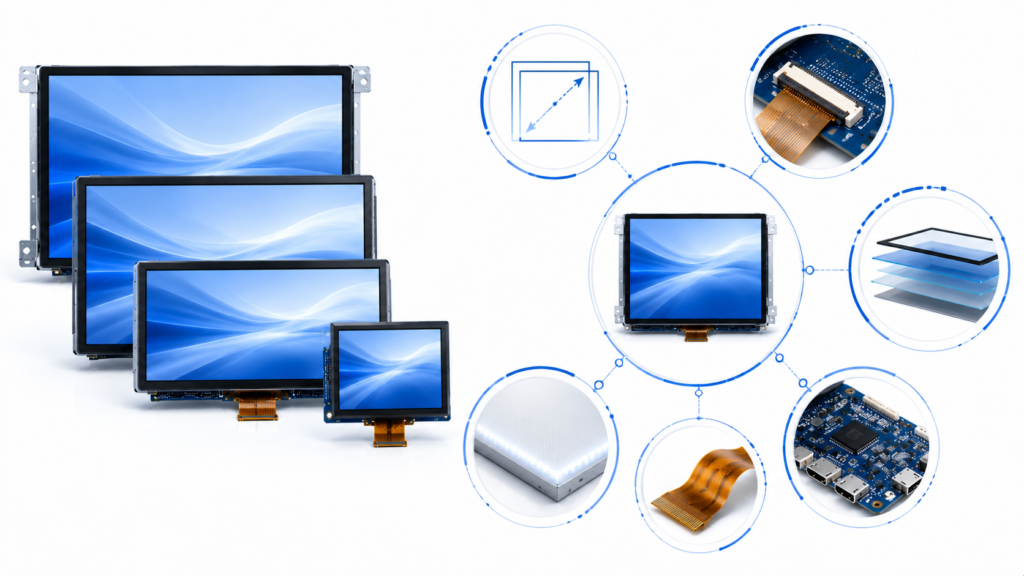
The cost of a TFT LCD depends on more than screen size. A small standard TFT LCD module may be relatively simple to source, while a custom TFT LCD module with a touch panel, high brightness backlight, special cover lens, custom FPC, and long-term supply requirements can involve a much more complex cost structure. For […]

NUREMBERG, GERMANY — March 2026 — The energy at Embedded World 2026 was electric, and for the RJY Display team, it was a landmark event. As we wrap up three intensive days of networking, technical demonstrations, and insightful dialogues, we are excited to share the highlights of our successful exhibition in Germany. This year, our […]
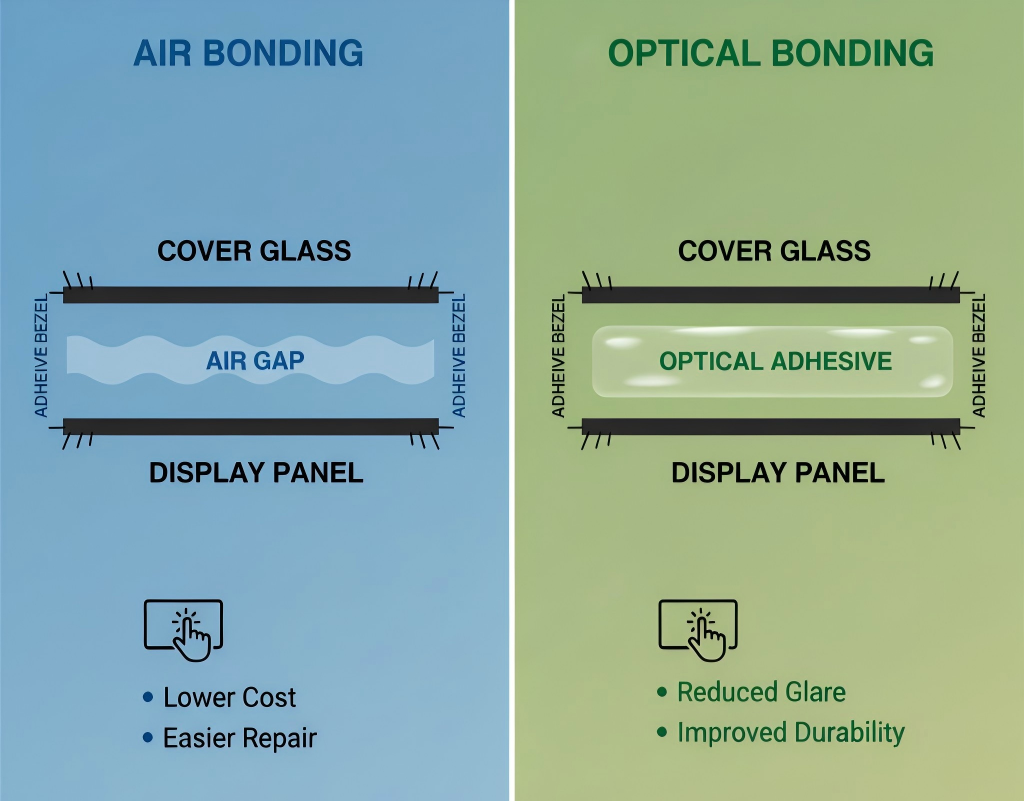
1. Defining the Architecture: What Happens Behind the Glass? To understand the difference, we must look at the cross-section of a modern touch panel assembly. 1.1 Air Bonding (Frame Bonding) Air Bonding, often referred to as “perimeter bonding,” is the more traditional approach. In this method, the touch screen and the LCD module are attached […]
In the realm of high-tech hardware, the display is no longer a passive output window; it is the primary interface through which humans command machines. Whether it’s a surgical monitor in a sterile operating room or a control interface for a high-performance industrial robot, the touch panel has become the standard for intuitive interaction.
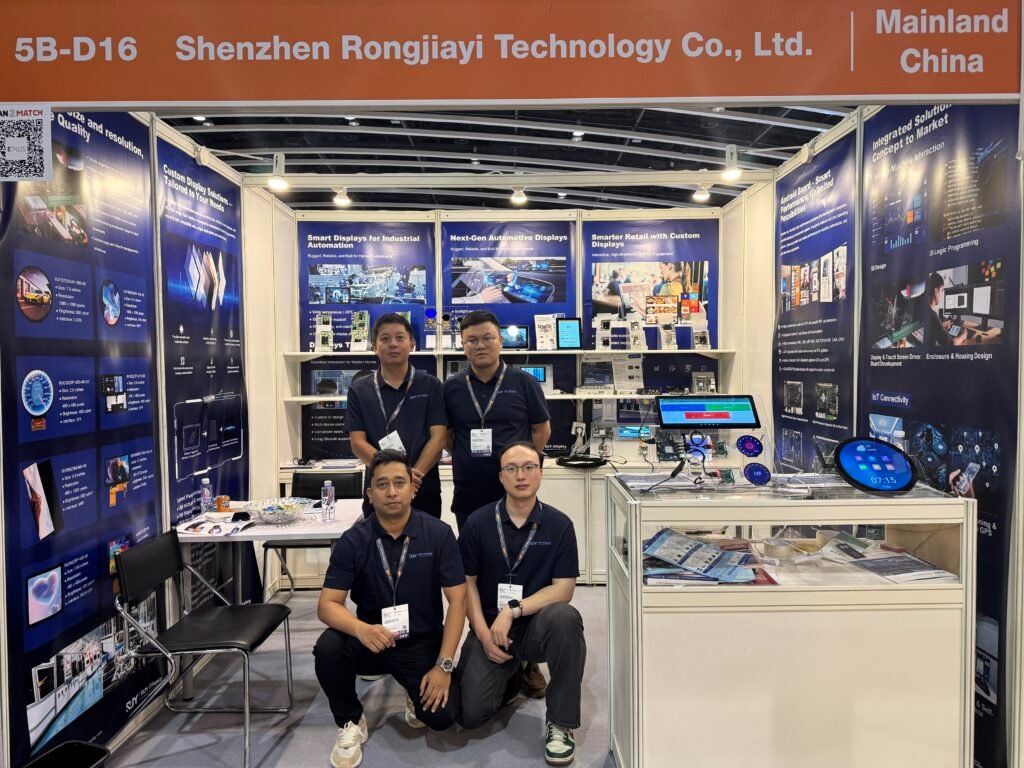
Last week, RJY proudly participated in electronicAsia 2025 at the Hong Kong Convention & Exhibition Centre, held from October 13 to 16. Our team welcomed hundreds of visitors at booth 5B-D16, showcasing our latest AIoT mainboard and HMI solutions and forging new partnerships across global markets.
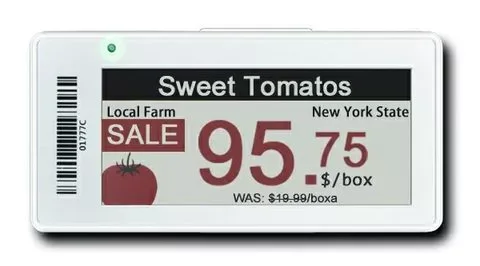
Over the last two decades, E Ink electronic paper displays (EPD) have evolved from a niche technology into a mainstream solution powering millions of e-readers, electronic shelf labels, and IoT devices. Unlike traditional LCD or OLED panels, E Ink displays mimic the appearance of ink on paper, offering high visibility in ambient light, extremely low power consumption, and unique use cases where conventional displays struggle.
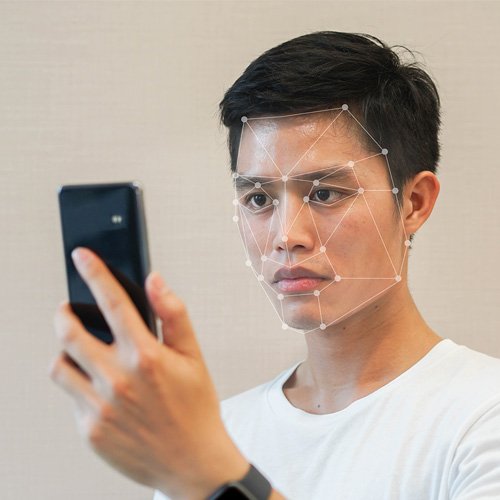
Discover how Android-based facial recognition systems with distance sensors enhance security, accuracy, and user experience across industries.
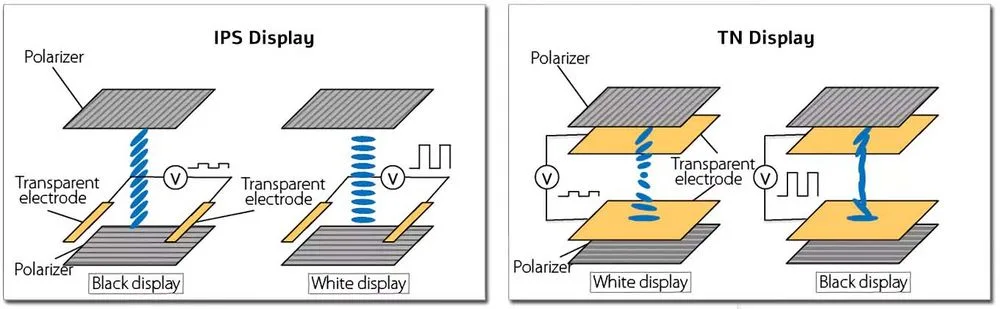
For engineers, procurement specialists, and technology enthusiasts navigating the European display market, the acronyms surrounding screen technologies can often seem contradictory. One of the most common points of confusion is the comparison between TFT (Thin-Film Transistor) and IPS (In-Plane Switching) displays. To make an informed decision for consumer electronics, industrial interfaces, or medical equipment, it is crucial to understand that this is not a comparison of two entirely different technologies. Rather, it is an evaluation of a baseline architecture versus its most advanced refinement.
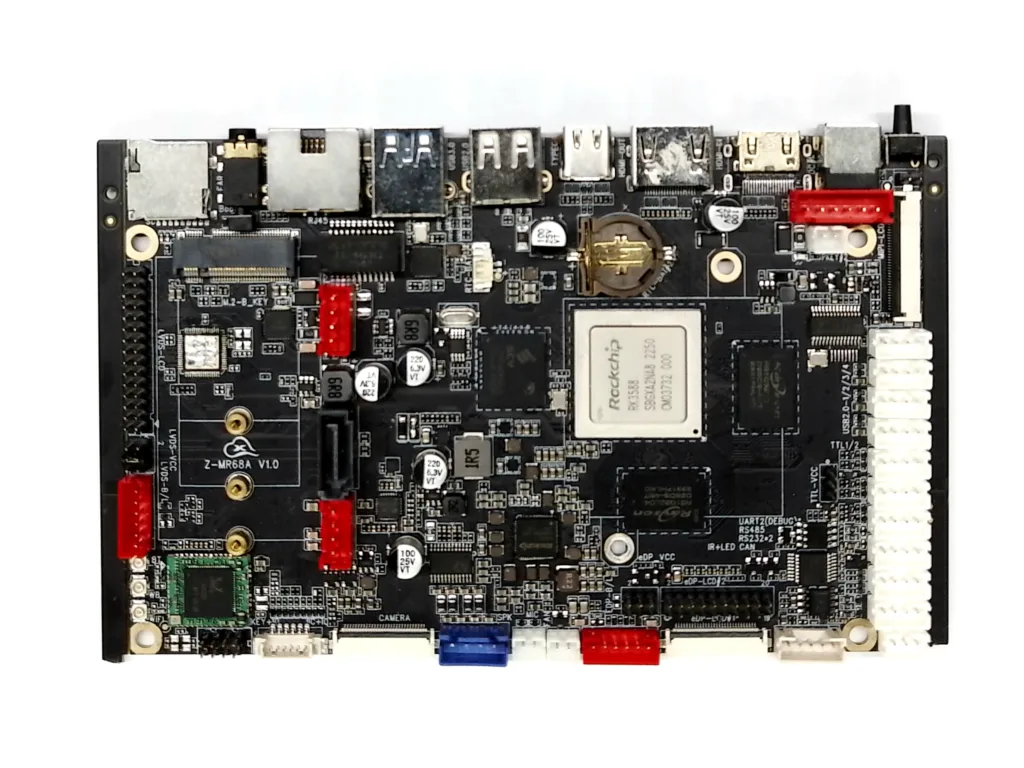
In the ever-evolving world of electronics and embedded systems, the controller board serves as the backbone of countless devices. Whether powering a simple consumer gadget, an industrial machine, or an advanced piece of medical equipment, controller boards orchestrate the logic, communication, and control functions that make modern electronics work seamlessly.
In the world of product design, engineering, and manufacturing, customers often wonder: “Why do companies charge development fees for custom projects?” On the surface, it may seem like an extra cost that could be avoided. After all, the final product is already being purchased—so shouldn’t development be part of the deal? The reality is that custom projects require dedicated engineering, testing, and resource allocation far beyond what standard off-the-shelf products need. Development fees are not just a way for suppliers to cover costs; they represent an investment in ensuring the project’s success, reducing risks, and guaranteeing long-term performance. This article explains why development fees are essential, what they cover, and why they actually save customers money in the long run.
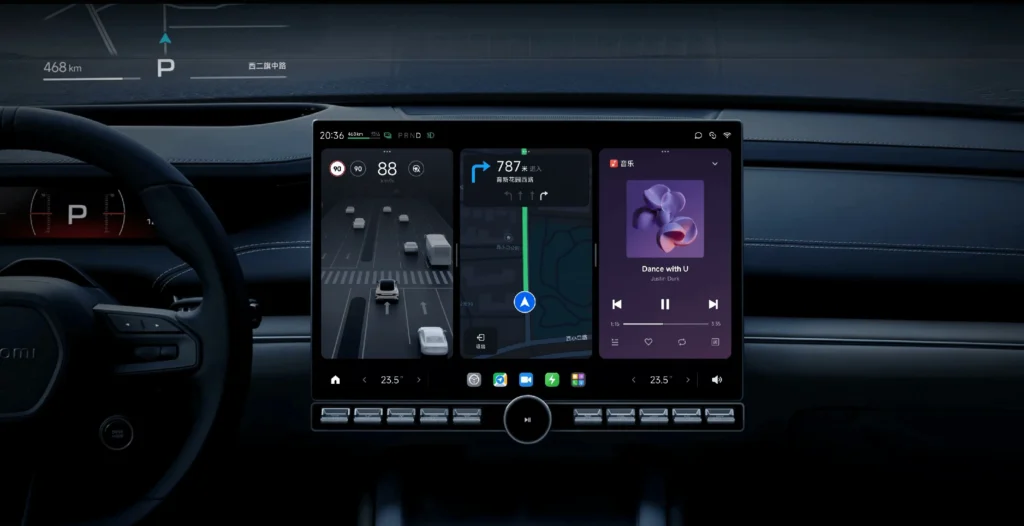
In today’s vehicles, the automotive-grade display has become a central element of both safety and user experience. From digital instrument clusters to infotainment systems and head-up displays, modern cars depend heavily on reliable, high-performance screens. But what exactly makes a display "automotive-grade"? Why can’t we simply integrate consumer electronics screens into a car? This article explores the concept of automotive-grade displays, the technical standards they must meet, and the critical features that differentiate them from commercial-grade screens.
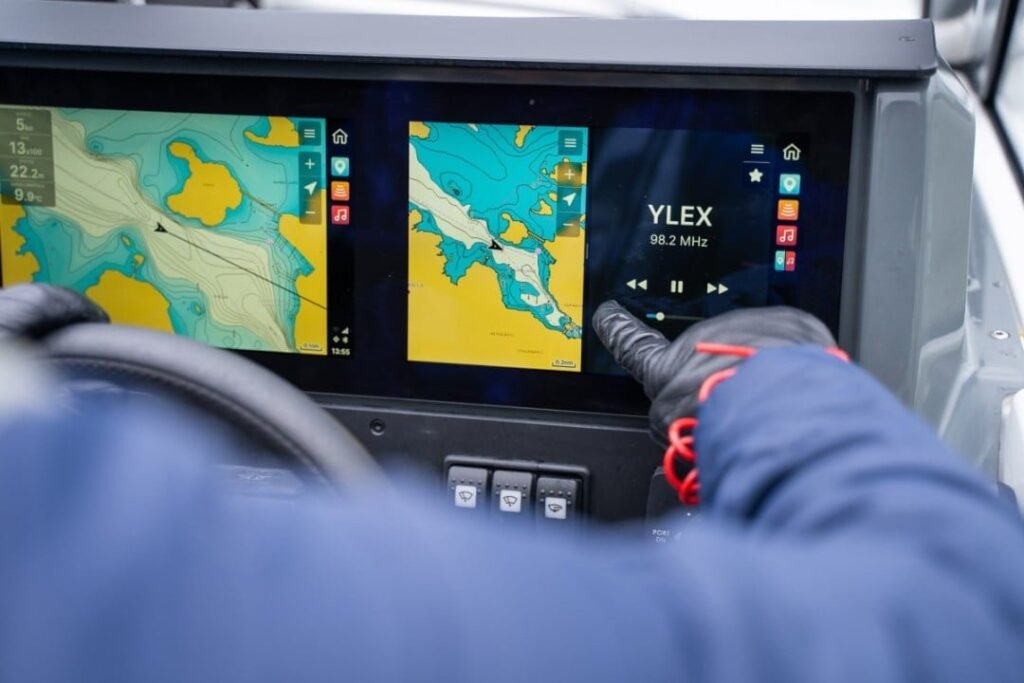
Touch screens have become an inseparable part of our daily lives—from the smartphones in our pockets to the kiosks we interact with at airports. However, not all touch displays are created equal. While consumer-grade displays prioritize aesthetics and affordability, industrial touch displays are engineered for durability, reliability, and long-term performance in harsh environments. For engineers, product managers, or decision-makers evaluating which display technology to adopt, understanding the differences between industrial and consumer touch displays is essential. This article takes a deep dive into the technical, functional, and operational distinctions that set them apart.
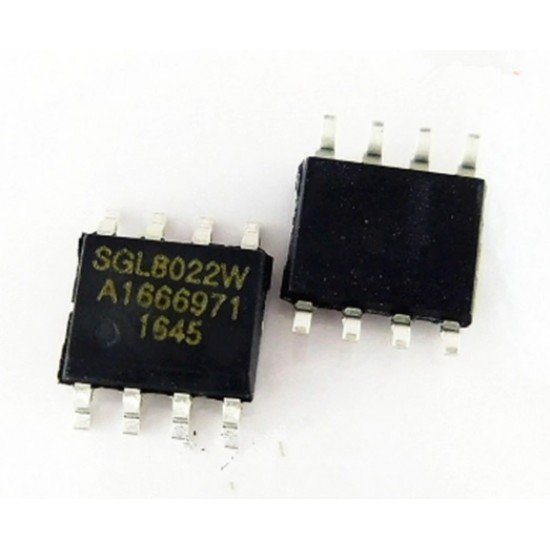
In modern electronics, the touch IC chip is a critical component that bridges the gap between the touchscreen panel and the main system processor. It translates finger or stylus contact into precise digital signals, enabling smooth and responsive user interaction. For engineers, selecting the right touch IC is more than just picking one that “works” — it involves balancing performance, integration compatibility, environmental tolerance, and long-term product reliability. In this guide, we’ll take an engineer’s perspective on how to determine the most suitable touch IC chip for your design.
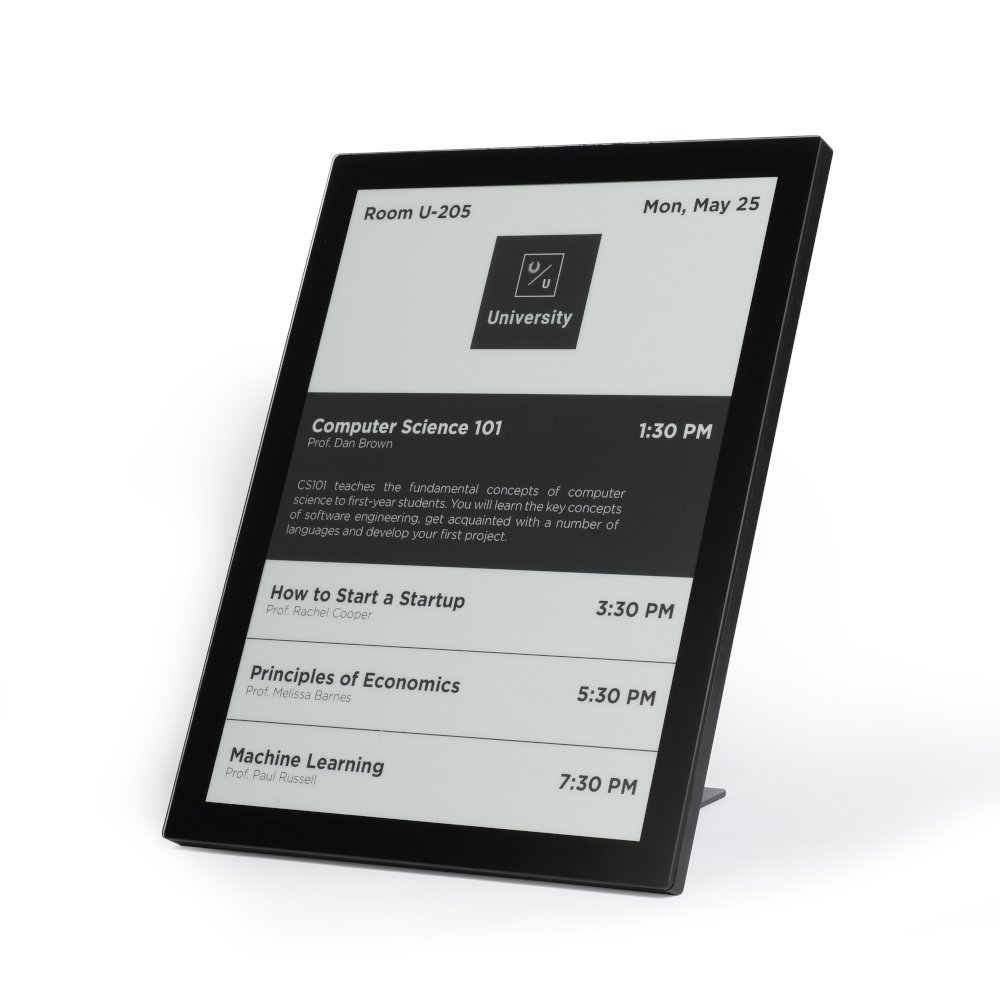
The electronic paper screen—often abbreviated as e-paper—has become one of the most innovative display technologies of the past two decades. Known for its paper-like readability, low power consumption, and thin profile, electronic paper screens are widely used in e-readers, IoT devices, digital signage, and even smart wearables. Unlike traditional LCD or OLED displays, e-paper mimics the appearance of ink on paper, making it highly comfortable for prolonged reading and outdoor use.
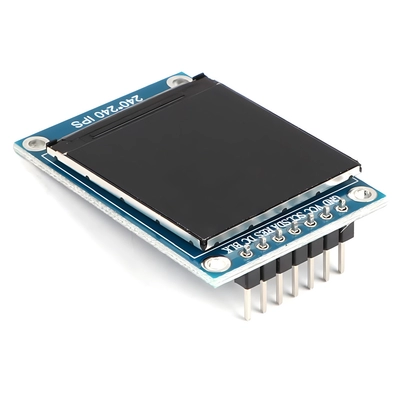
For embedded developers, lighting up a TFT LCD display for the first time can be both exciting and challenging. The STM32 family of MCUs has become a popular choice for driving TFT LCDs thanks to its performance, wide range of peripherals, and cost-effectiveness. However, powering and initializing a TFT LCD is more than just connecting a few wires — you need to consider interface compatibility, power supply, initialization sequences, and backlight control. In this guide, we’ll walk you through everything from hardware wiring to software initialization so you can successfully drive a TFT LCD with STM32.

Separate Touch Connector: The First Clue Most touch-screen TFT modules include two separate connectors: If your TFT board only has a single connector, it’s likely just a display-only module. Visual Inspection: Ribbon Cable and Gold Trim For resistive touch panels, the touch layer is visible as a thin glass overlay with a gold-colored border and […]
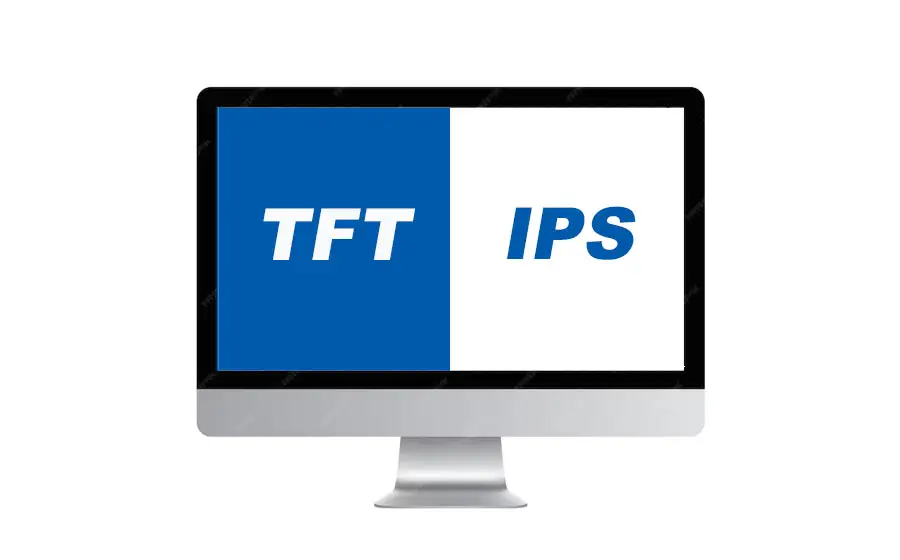
Thinking about replacing a TFT screen with an IPS panel? You’re in the right place. If you’ve ever squinted at your display from an angle or wondered why colors fade around the edges, this article breaks things down in everyday terms—no jargon, just what you need to know to decide if an upgrade is worth it.
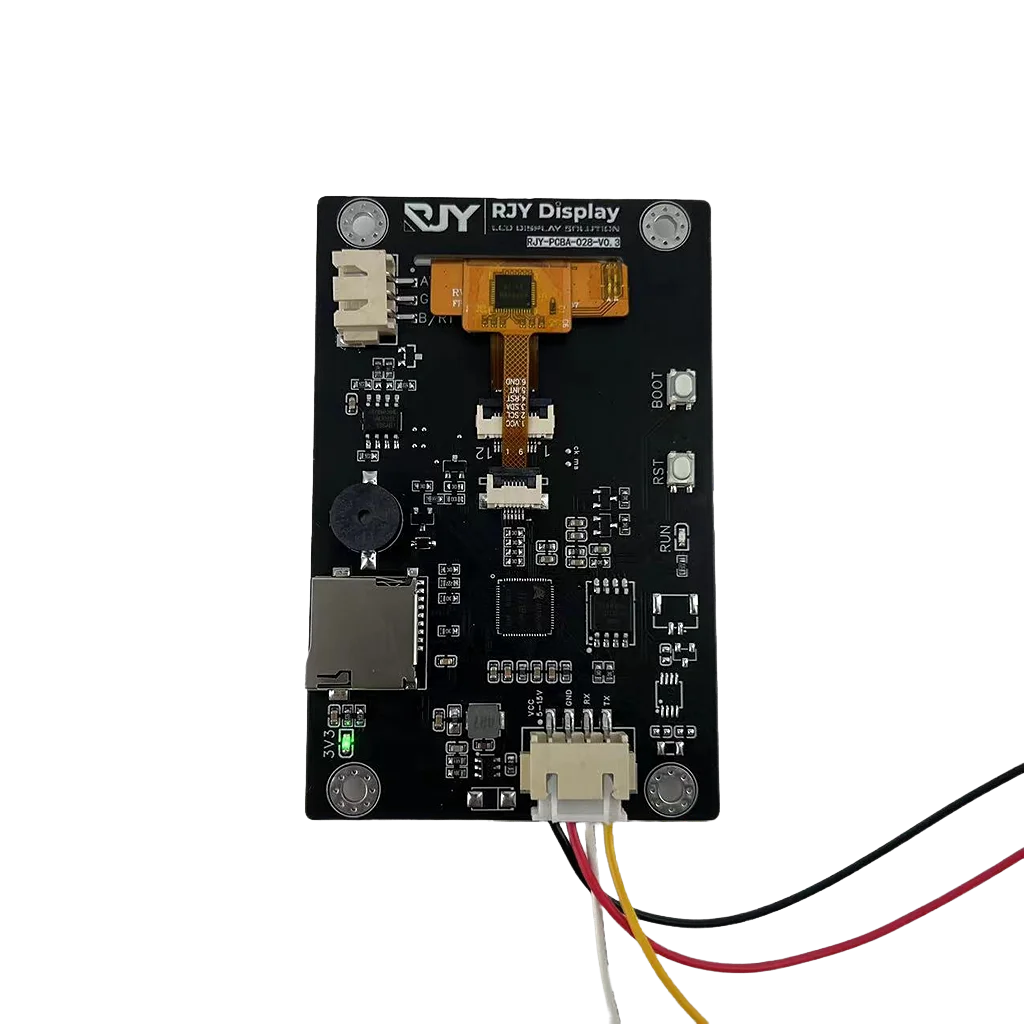
When designing embedded systems with TFT LCDs, choosing the right microcontroller matters enormously—and not just for raw speed. You also need an MCU that supports easy debugging, clean signal handling, and flexible interfaces to your display. This article explores top MCU choices that deliver performance, debuggability, and display support, while also noting traps that can compromise stability or responsiveness.
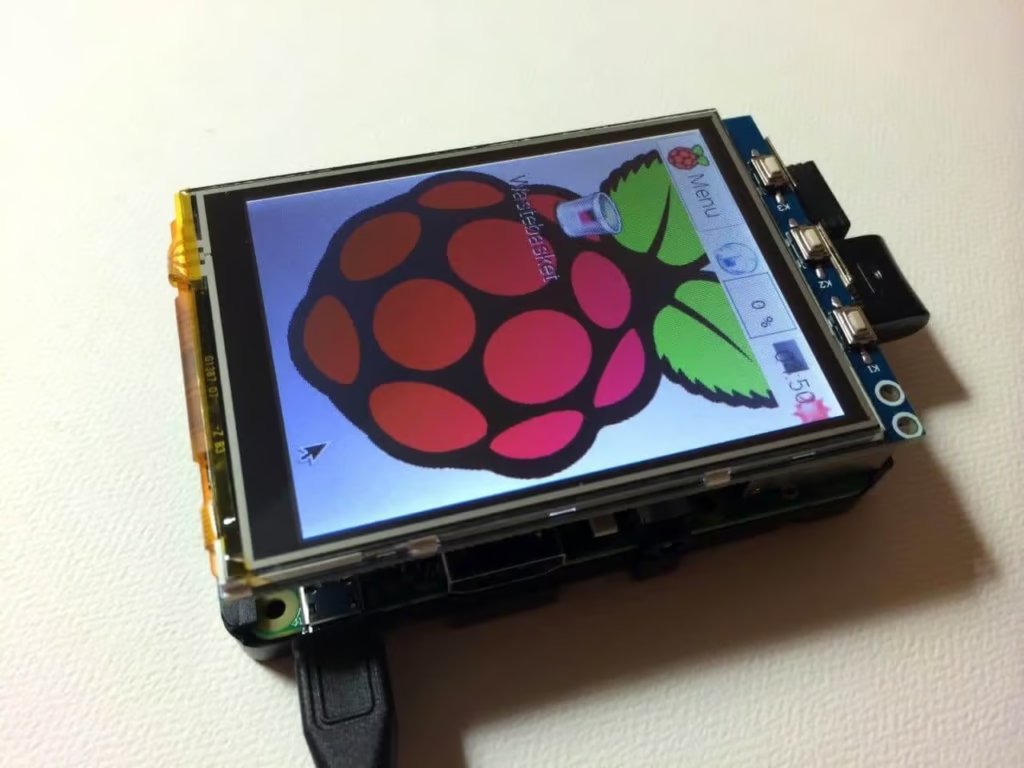
If you’ve noticed your TFT LCD touchscreen or display freezes, becomes unresponsive, or locks up after some usage—you're not alone. This issue is common across embedded systems, Arduino/STM32 projects, and industrial displays. In this article, we analyze the most frequent causes and walk you through effective fixes.
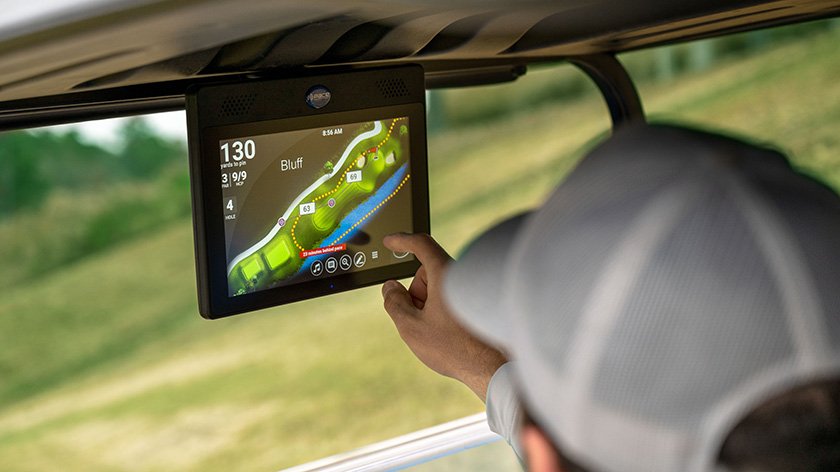
Modern golf car displays—especially touchscreen, GPS-integrated LCD panels—have transformed simple utility carts into smart, interactive vehicles. From navigation and performance tracking to entertainment and safety alerts, these systems go far beyond conventional analog dashboards. Let’s explore how these displays enhance both operational efficiency and user enjoyment.

For displays to remain legible in direct sunlight or harsh ambient lighting, the key challenge isn’t just brightness—it’s managing reflection. That’s where smart surface treatments come in. This article examines how anti-reflective (AR), anti-glare (AG), and optical bonding technologies work—why they matter, their trade-offs, and how they enable truly sunlight-readable LCD modules.
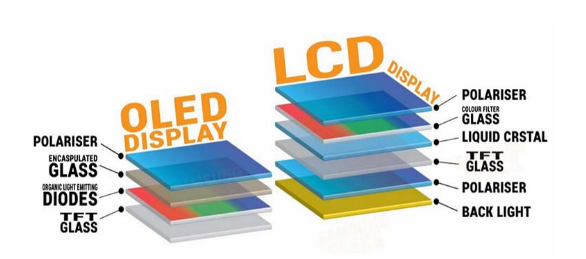
When choosing between display technologies—especially for embedded systems, mobile devices, or large-format monitors—power efficiency matters just as much as image quality. LCD and OLED are the two dominant display types today, and while both have their strengths, their approaches to light, color, and power usage are fundamentally different. Understanding which technology is more energy-efficient isn’t as simple as picking one over the other. Instead, the answer depends on several variables: the application, the average brightness needed, the kind of content displayed, and even the environment where the device is used. Let’s dive into how LCD technology compares to OLED in terms of energy efficiency, taking a detailed, real-world approach tailored for product designers, engineers, and display specifiers.
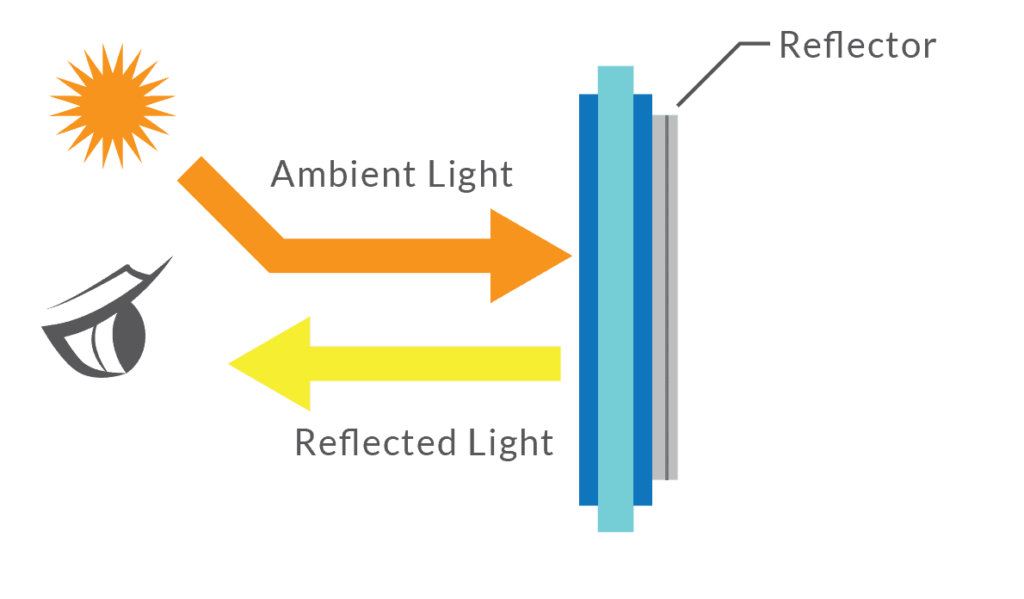
When we talk about LCD displays, we usually assume there’s a built-in LED backlight. But there's another widely used type—especially in outdoor and wearable devices—that doesn’t need one: the reflective LCD. These displays work by reflecting ambient light back to the viewer, allowing them to remain highly visible without consuming extra power.
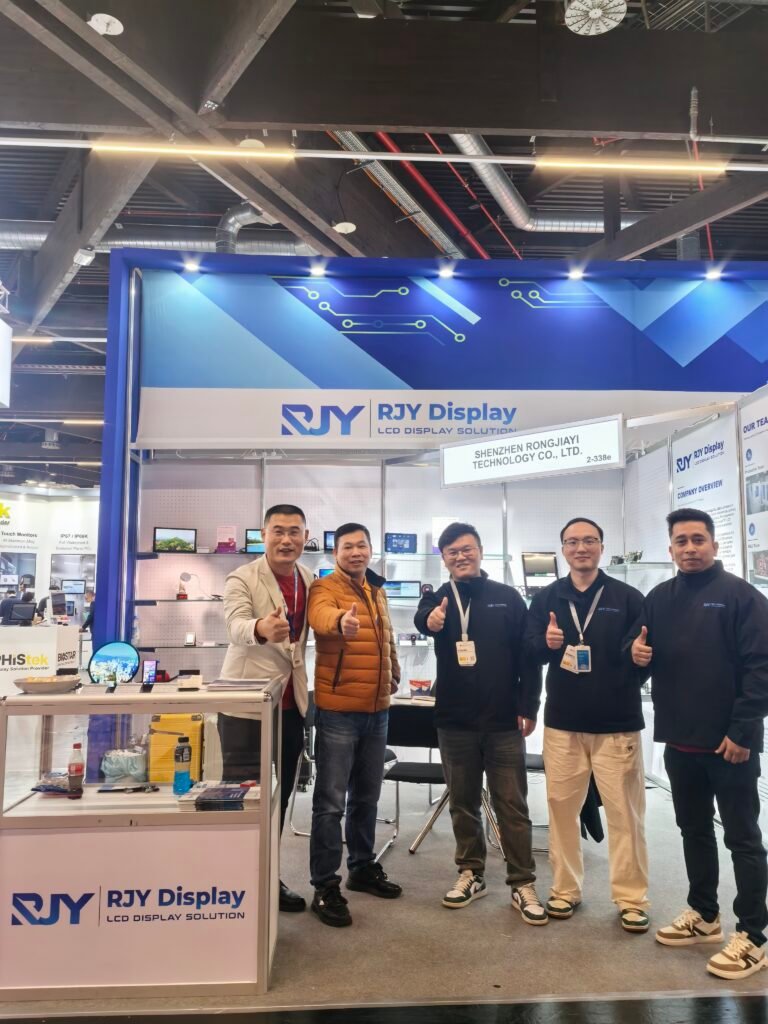
At Embedded World 2025 in Germany, RJY Display is proud to showcase its latest breakthroughs in display technology, purpose-built for the rapidly evolving demands of industrial and embedded applications. As a trusted partner to innovation-driven enterprises, we are especially excited to reconnect with our German clientele and unveil a portfolio of products that bring performance, design, and integration flexibility to the next level.
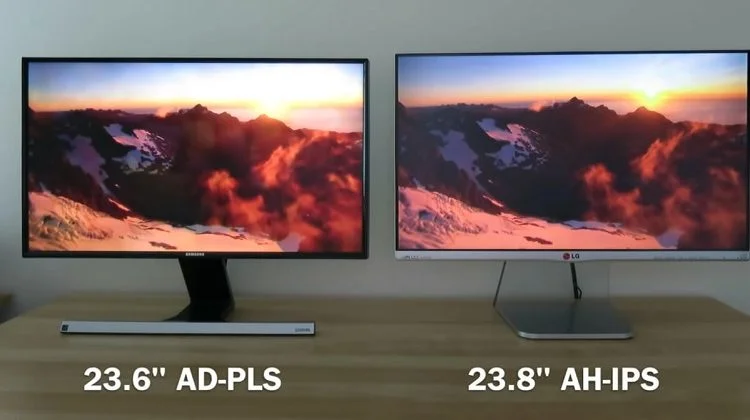
If you've ever browsed tech specs for a new monitor or device, chances are you've seen terms like IPS, PLS, or even ADS thrown around. They often appear together, and they seem similar—but are they really the same? The short answer: not exactly. The longer, more useful answer? Let’s break down what a PLS screen is, how it compares to IPS panels, and what the technical and real-world implications are for developers, designers, and everyday users.
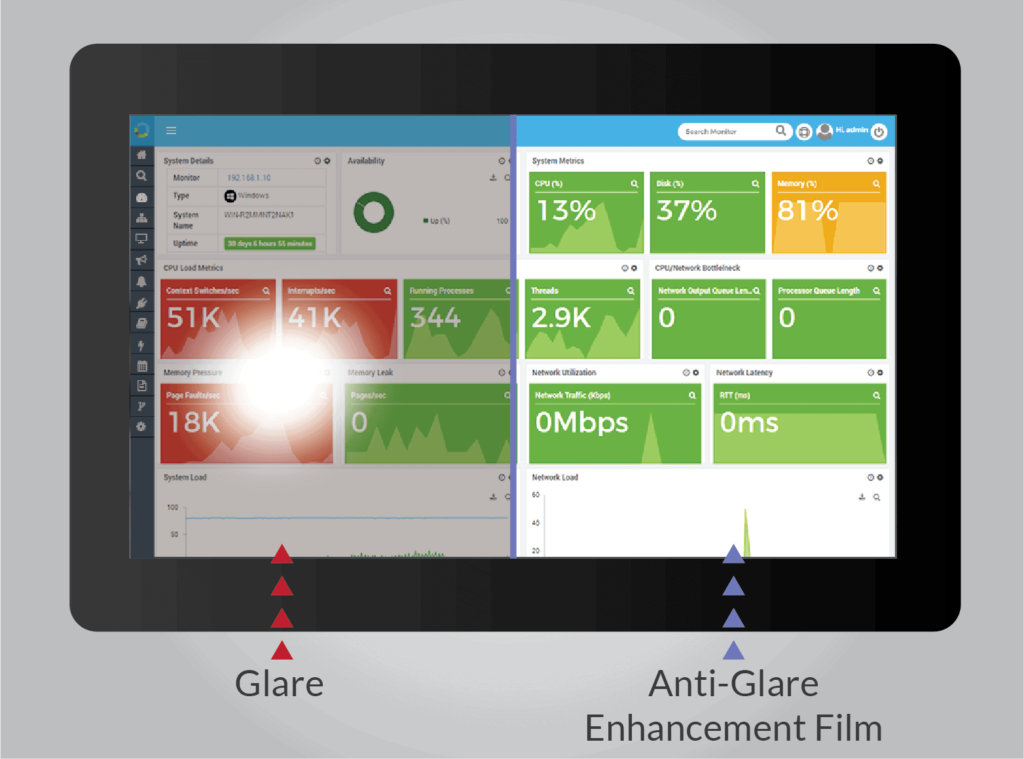
Ever tried reading your smartphone in direct sunlight only to see more of your own face than the screen itself? You’re not alone. Whether it’s a phone, tablet, ATM, or industrial control panel, touchscreens tend to be surprisingly reflective, often making them frustrating to use outdoors or under bright lighting. But have you ever wondered why touchscreens are so reflective—and more importantly, what can be done about it? In this article, we’ll explore the science behind screen glare, what materials contribute to it, and what engineers and manufacturers are doing to reduce reflectivity in modern display design.
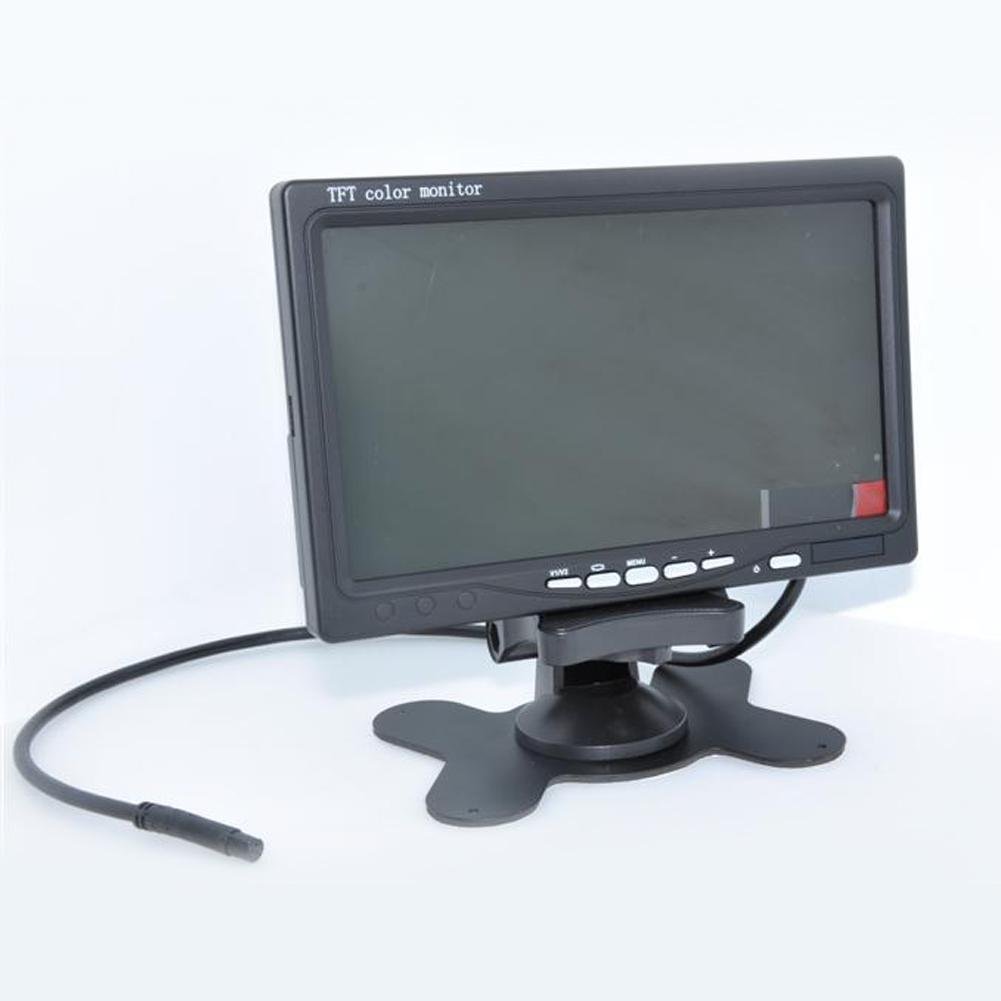
When specifying display panels for professional, industrial, or extended-use scenarios, eye comfort is a critical selection criterion. This article examines whether TFT displays (such as TN or VA panels) or IPS panels deliver superior visual ergonomics. Drawing on scientific considerations and user feedback, it evaluates characteristics that influence eye strain and viewing fatigue.

Touchscreens are everywhere—from smartphones and tablets to smart appliances and industrial machines. But not all touchscreens are created equal. You may have heard of terms like In-Cell, On-Cell, or OGS when browsing device specs or choosing a display for your project. These names describe how the touchscreen layer is built into the display. Sounds technical? Don’t worry—we’ll walk you through each type in simple terms so you can understand how they work and which one might be best for your needs.

Why Cleaning Your Clear LCD Display Matters Even the most advanced LCD panels can lose their crisp visuals under layers of oil, fingerprints, or dust. Regular, safe cleaning isn’t just about looks—it helps maintain optimal performance. In industrial or medical environments, clean screens translate into safer operation, more accurate readings, and a better user experience. […]
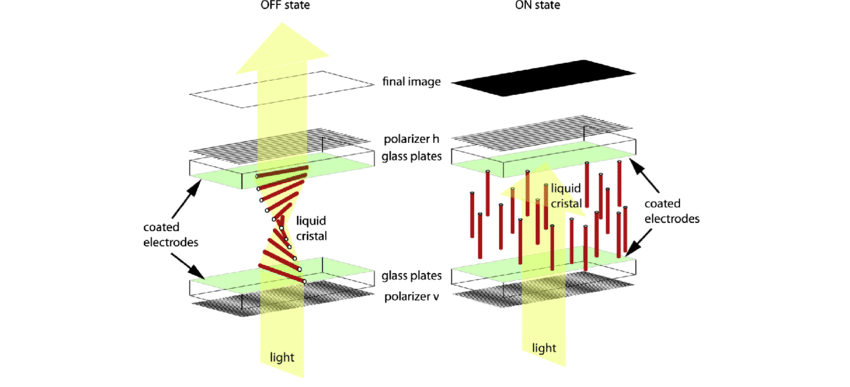
Twisted Nematic LCD, or TN LCD, is one of the most widely used display technologies in the world. Known for its fast response time and low manufacturing cost, TN LCDs have long been a staple in consumer electronics, industrial equipment, and gaming monitors. In this article, we’ll explain how TN LCDs work, their advantages and disadvantages, and how they compare with other types like IPS and VA.
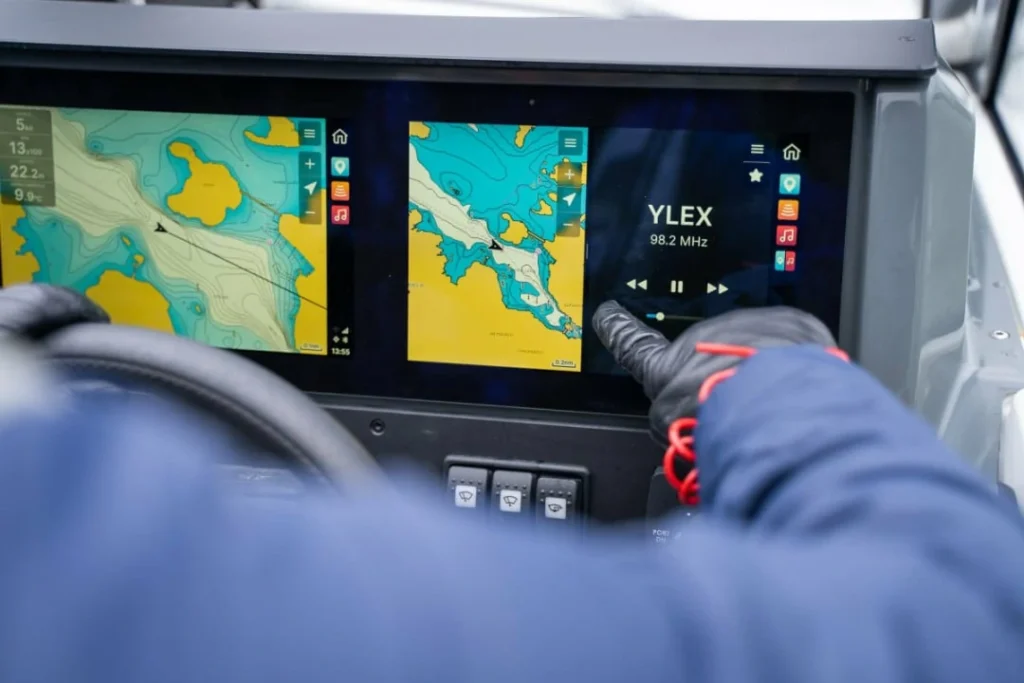
In the fast-paced world of industrial automation and manufacturing, efficiency and precision are paramount. Industrial touch displays have become an essential tool for controlling and monitoring operations, offering a bridge between human operators and complex machinery. Unlike consumer-grade touchscreens, industrial touch displays are built to withstand the rigors of harsh environments, ensuring reliable performance under various conditions. This guide explores the ins and outs of industrial touch displays, their types, benefits, and how to choose the best one for your application.

If you’ve ever been blown away by the sharpness of a movie scene or amazed by the crisp details in your favorite game, you’ve got your LCD display to thank. But, what exactly makes these displays tick? When it comes to LCD technology, terms like pixels, resolution, and aspect ratio are fundamental. These elements work […]
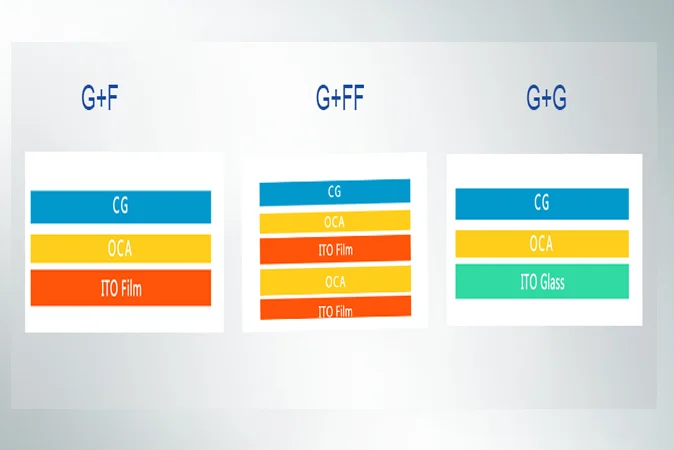
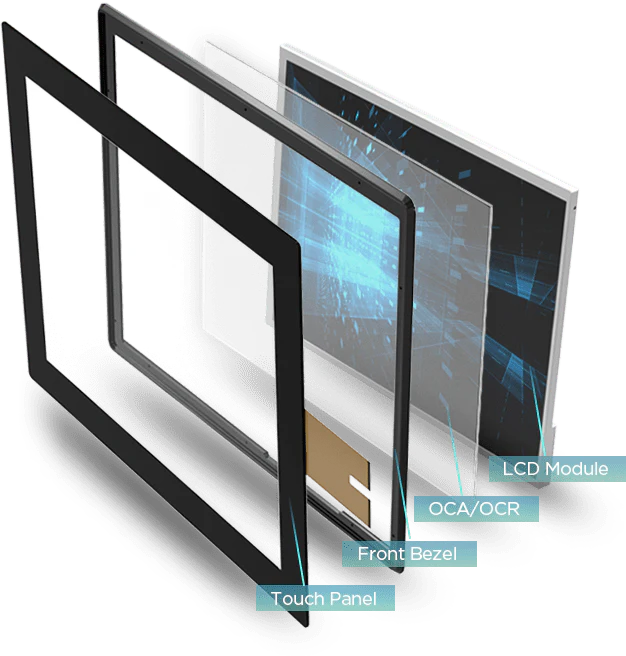
In the field of optoelectronics, a display is a sophisticated multi-layered system where the Touch Panel (TP) must be precisely harmonized with the TFT-LCD or AMOLED module. The choice between G+G, G+F, and G+FF architectures determines not only the physical durability of the device but also its signal-to-noise ratio, optical transmittance, and compatibility with specific […]
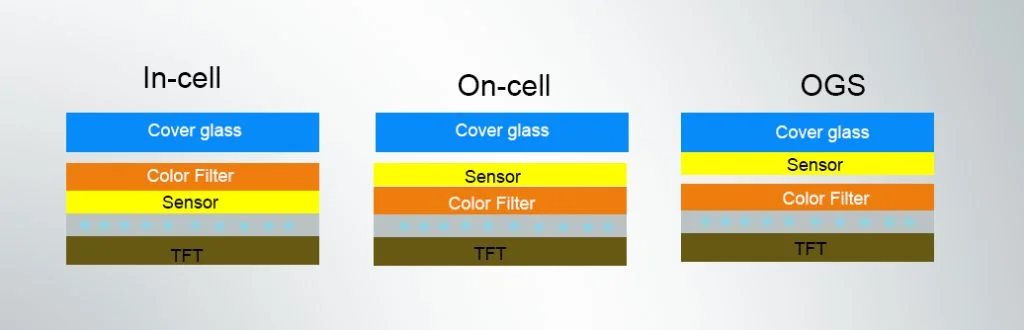
Display technology has evolved rapidly in recent years. In-cell, On-cell, and OGS (One Glass Solution) technologies are among the most significant innovations. These technologies have reshaped the design and performance of touchscreens in various devices, including consumer electronics and industrial systems.
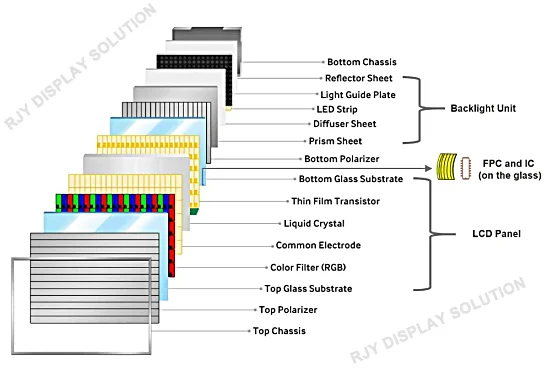
Liquid Crystal Displays, or LCDs, are a crucial part of our daily lives. These versatile displays are found in countless devices, transforming raw data into visual information. In this article, we'll explore the fundamental principles of LCD technology and learn how they bring images to life.
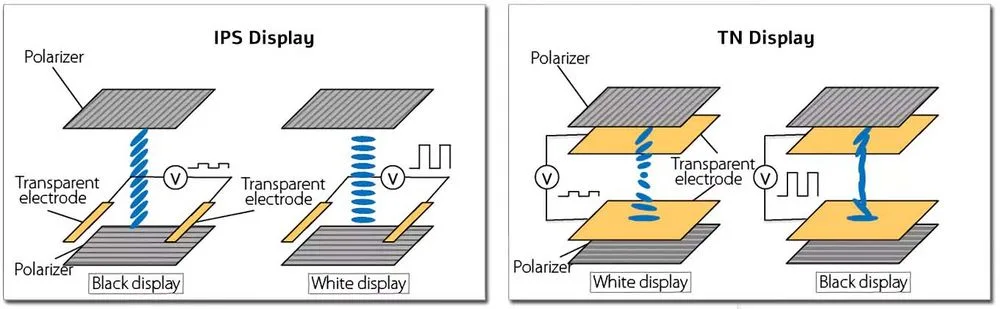
When choosing a display technology for your device, it's important to consider both the technical characteristics and the practical applications of the display. Two of the most popular display technologies today are TFT LCD (Thin Film Transistor Liquid Crystal Display) and IPS LCD (In-Plane Switching Liquid Crystal Display). While both technologies fall under the LCD category, they each have their own strengths and weaknesses, and their ideal use cases vary significantly. This article explores the key differences between TFT and IPS displays, highlighting the advantages of each in different contexts. Whether you're working on a budget-friendly project or require high color accuracy and wide viewing angles, understanding these differences will help you make the best decision.
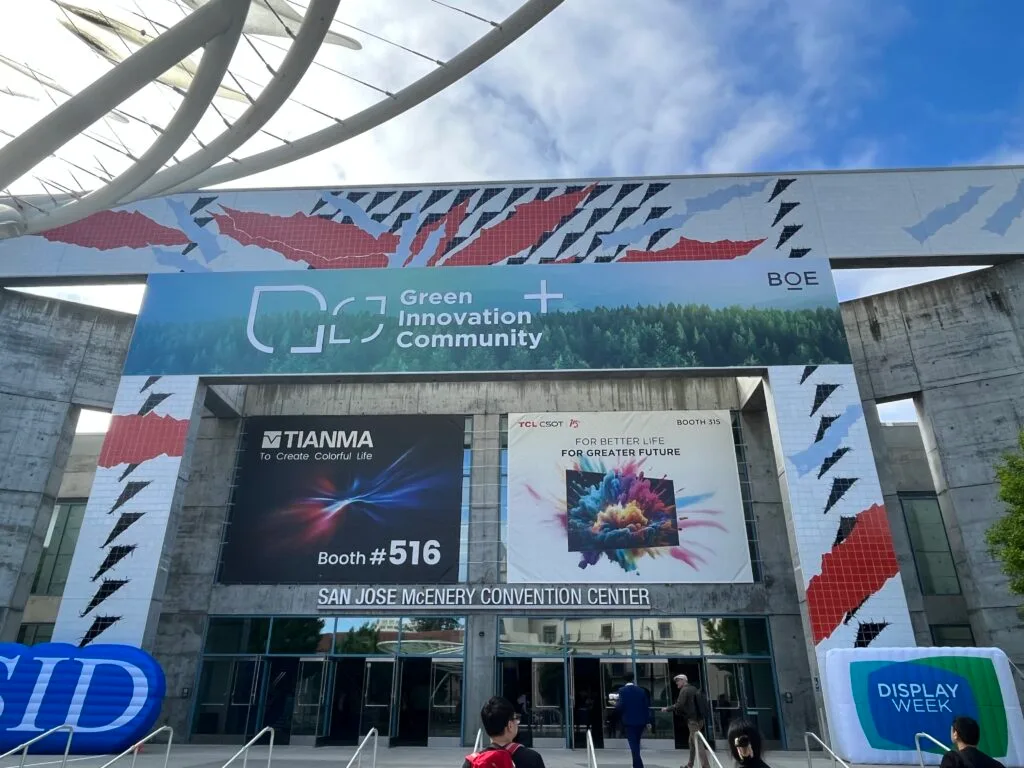
RJY Display is thrilled to announce our successful participation in the 2024 Society for Information Display (SID) Show in the United States. As a premier global event in the display industry, the SID Show attracts leading companies and professionals from around the world. We were honored to showcase our latest technologies and products, and to […]
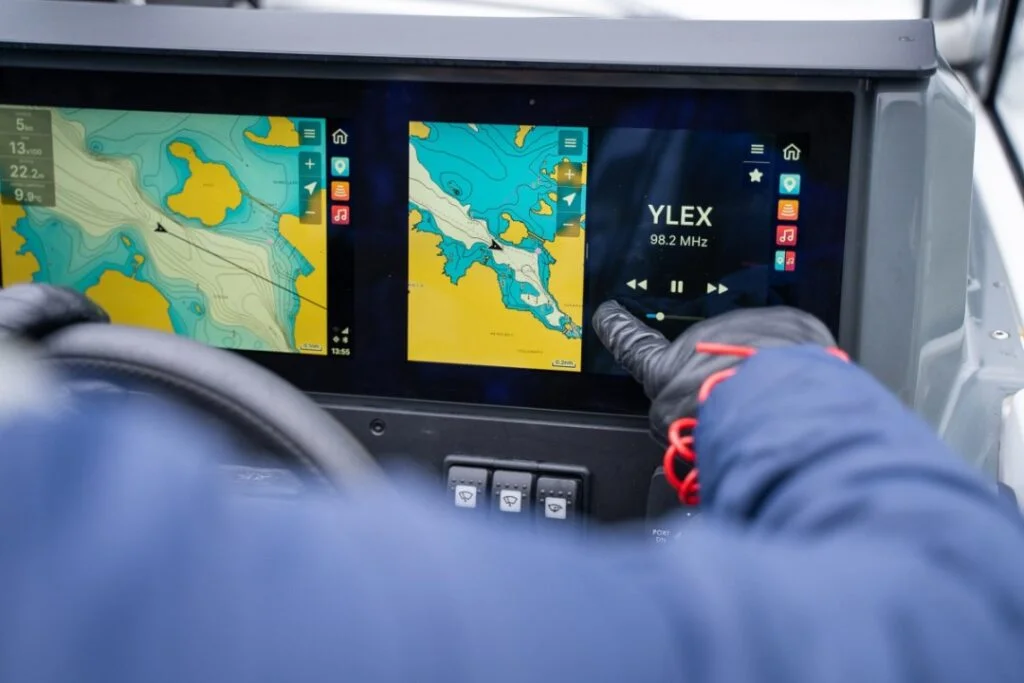
When it comes to displays, durability is key. Enter durability TFT (Thin Film Transistor) technology, your go-to solution for robust and vibrant LCD displays. From everyday gadgets to industrial machines, durability TFT technology is designed to withstand the rigors of daily use while delivering stunning visuals. What Makes TFT LCDs Stand Out? TFT LCD technology […]
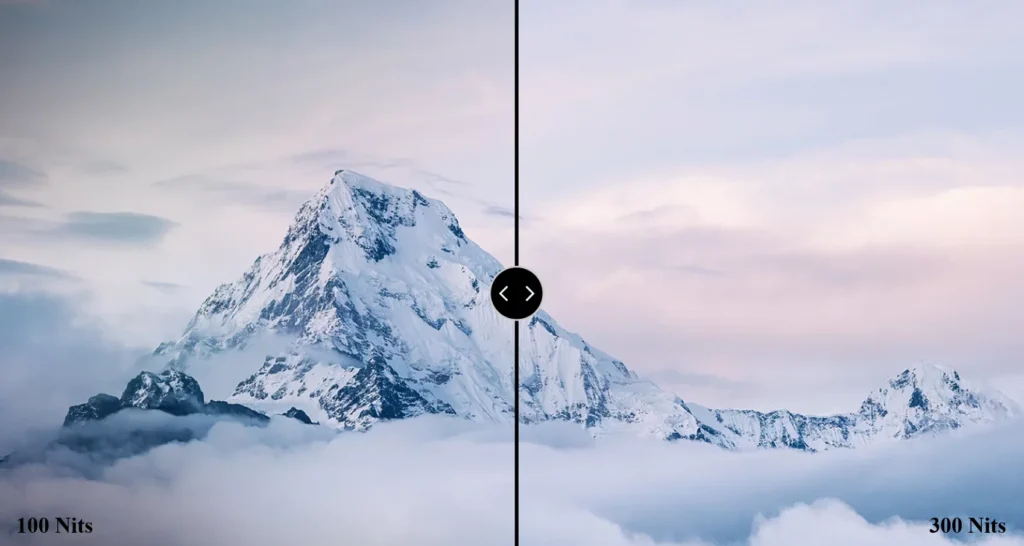
When shopping for a new LCD display, you might come across a spec called “nits.” It’s not just a weird word; it’s a measure of brightness. But how do you figure out your display’s nits, and why does it even matter? In this guide, we’ll break it down and help you understand why nits are […]
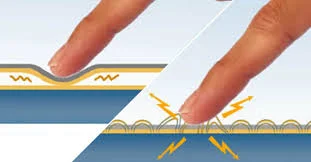
When it comes to touchscreens, two of the most common technologies are capacitive touch screens and resistive touch screens. Both allow users to interact with devices through touch, but they differ in their operation, durability, and usability. In this article, we’ll break down the differences between these two technologies and help you decide which is […]
An ink screen (E-ink, electronic ink screen) is a special display technology commonly used in e-book readers, smartwatches and certain low-power devices. Unlike traditional LCD or OLED displays, it relies on the principle of electrophoretic display, in which tiny charged particles in the electronic ink are manipulated to form an image. Key Features of E-Ink […]
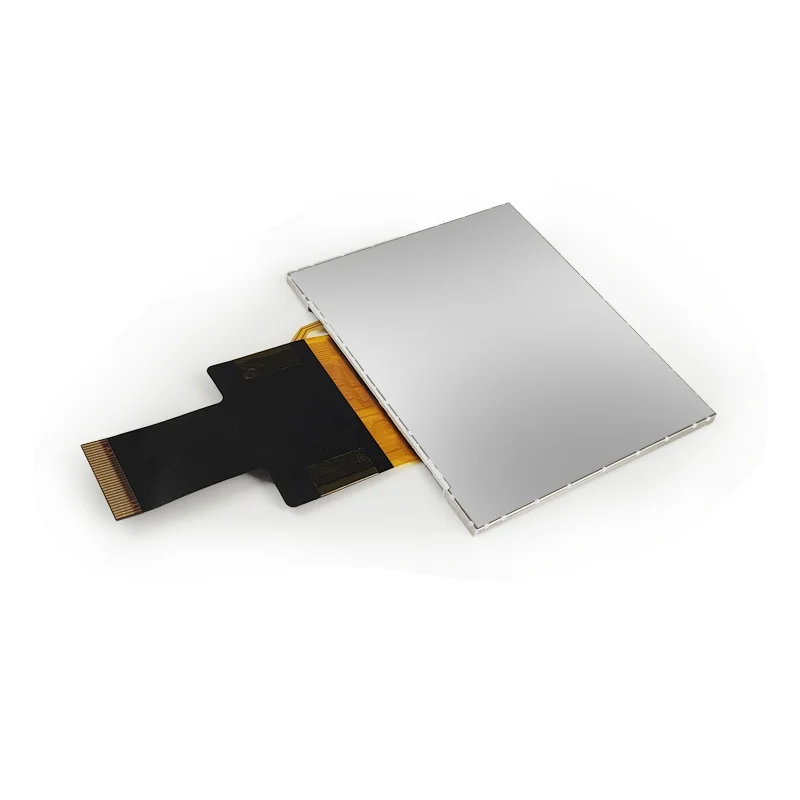
When selecting a display solution, clients across various sectors—such as automotive, home appliances, medical, smart home, transportation, mobile devices, gaming, and military—must ensure their main motherboard supports critical display features. Here’s a streamlined guide to help you choose the right display: Interface Compatibility: Confirm that the motherboard supports the display’s interface (e.g., LVDS, eDP, HDMI) for […]
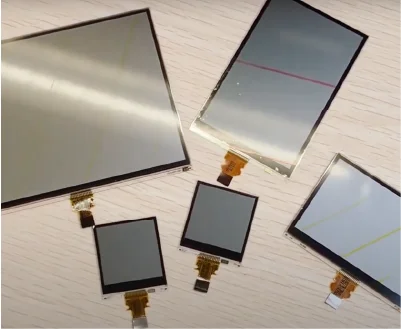
Pressure spots on LCD screens can be a real nuisance. These spots usually appear as discolored or dark areas on the screen, caused by pressure applied to the display. Whether it’s from accidentally dropping your device or placing heavy objects on it, these spots can affect your viewing experience. But don’t worry! There are ways […]
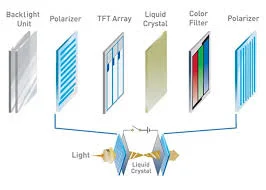
If you’ve ever wondered what LCD stands for, you’re not alone! LCD is short for Liquid Crystal Display, a technology that powers many of the screens we use today, from smartphones and TVs to computer monitors and even digital clocks. LCD screens have transformed how we interact with displays, offering vibrant images and energy-efficient performance. […]

Have you ever wondered how the screen on your smartphone or TV lights up with such vivid colors? Whether you’re using a TFT LCD monitor or your favorite mobile device, understanding how LCD screens work can help you appreciate the technology behind those crisp visuals. What Exactly is an LCD Screen? An LCD screen (short […]
When shopping for a new screen, whether it’s a TFT LCD monitor, smartphone, or TV, you may come across the term "nits" in the display specifications. Understanding what display nits are and how they affect screen quality is essential when comparing different devices. This article will explain the concept of nits and its relevance in evaluating LCD modules and other display technologies.

Monitor flickering can be a frustrating issue, especially when you rely on your LCD monitor for work, gaming, or daily activities. The flickering effect can range from slight dimming to noticeable brightness fluctuations. Understanding the causes of monitor flickering is essential for addressing the problem and ensuring smooth, comfortable use of your TFT LCD monitor. […]
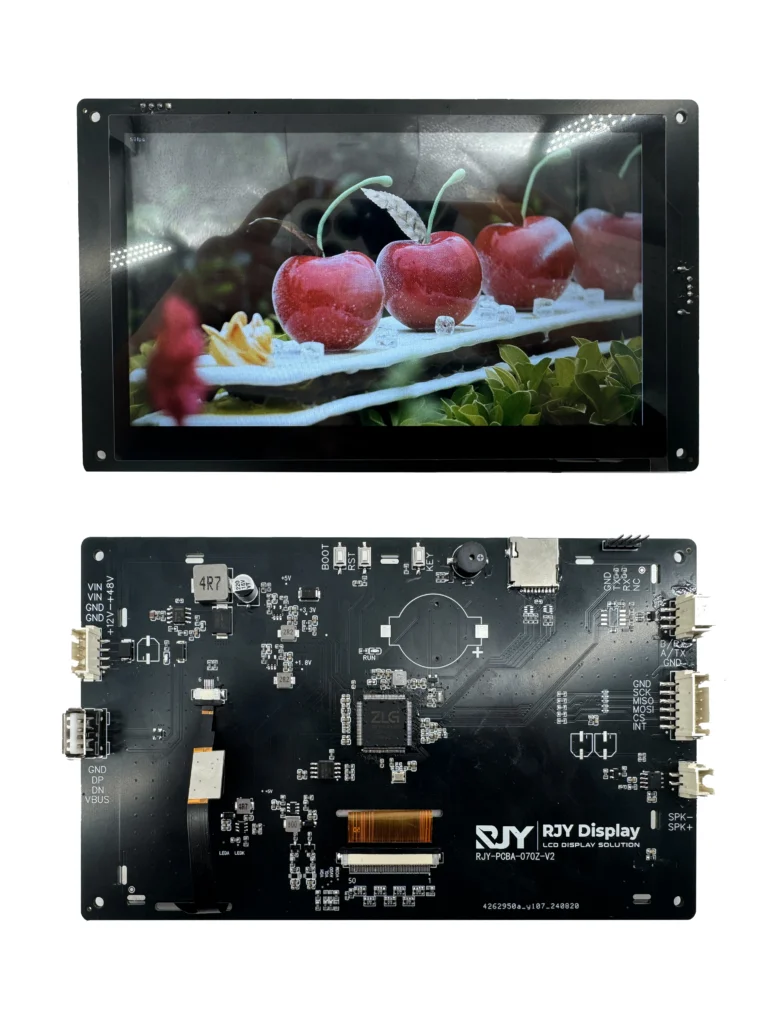
It converts HDMI and VGA signals or DP digital signals output from a PC to eDP signals that can be supported by an LCD panel. The design is mainly used for mating with TFT display, to achieve the highest resolution up to WUXGA analog R, G, B input signal reproduction, colour reproduction can support up […]

As technology continues to advance, flexible displays are becoming a hot topic in the consumer electronics industry. It not only brings new possibilities in design and use, but also faces some challenges in technology. This article explores the key benefits of flexible displays and the shortcomings they currently face. Advantages of flexible displays 1. Design […]
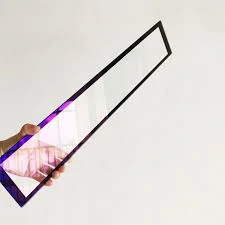
In an era where technology is at the heart of our daily lives, protecting our electronic devices has become more crucial than ever. One of the key advancements in safeguarding these electronics is the use of strengthened glass. In this blog, we’ll explore how strengthened glass is revolutionizing electronic protection and what it means for […]
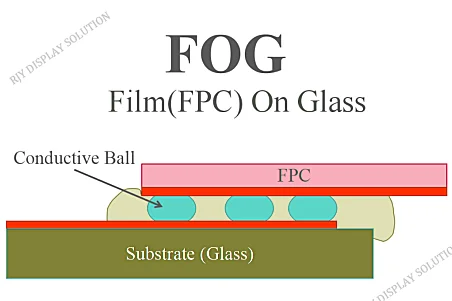
Advanced FOG Bonding Techniques and Innovations The process mechanically bonds and conducts between the film (FPC) and glass. FOG, short for Film On Glass, refers to bonding FPC to a glass substrate. While FPC is primarily bonded to glass panels like LCDs, the term FOG applies to any FPC-glass bonding, not just displays. The bonding […]
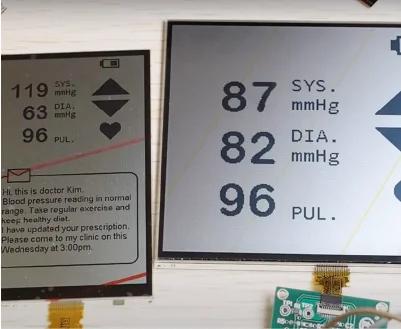
All About Memory LCD: Innovation or Falling Timing What is Memory LCD? Memory LCD is a type of display that uses bistable technology, meaning it requires little to no power to maintain a static image and only consumes energy when updating the display. This characteristic makes Memory LCD exceptionally efficient for devices that need to […]

MCU+: A Complete Breakthrough In the past two years, the MCU market faced significant shortages, leading to the emergence of many new players. Since MCUs are often pin-to-pin compatible, their functional architectures are generally similar, causing manufacturers to compete primarily on price. However, pure price competition does not truly secure market advantage, prompting MCU manufacturers […]
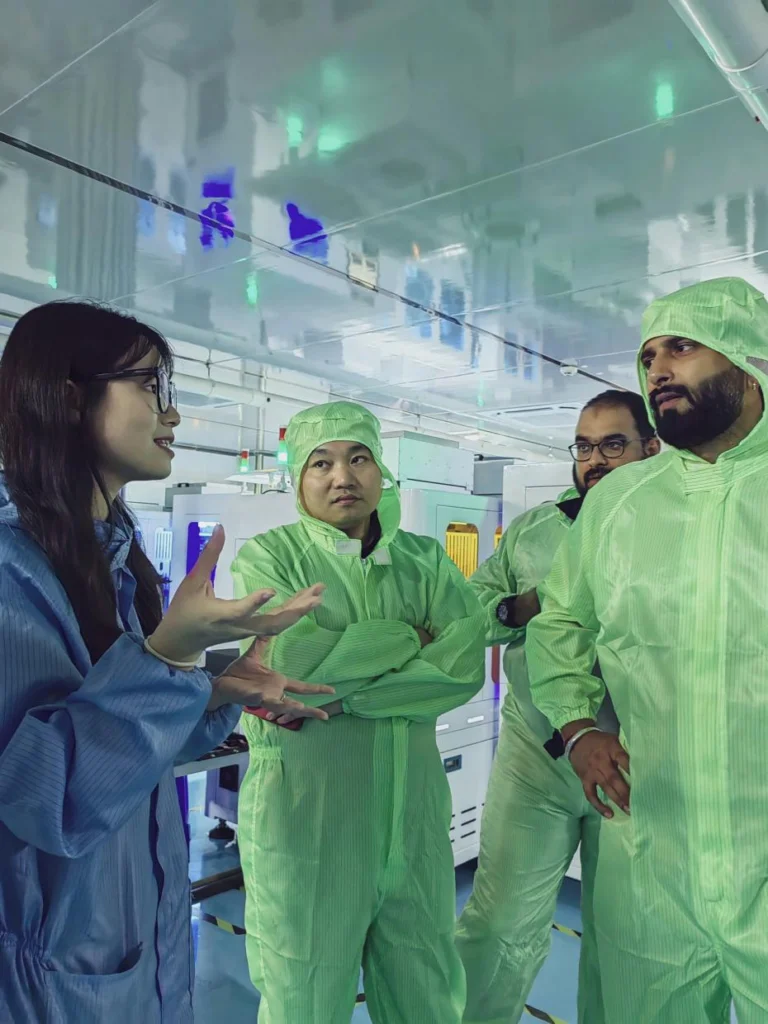
Factory Tour With Our Customers Last weekend, we were very honored to have our customers visit our factory. The trip mainly focused on our workshop equipment, IC binding process, backlight binding process, manual quality inspection, etc. After the visit, we answered a series of quality questions raised by the customer. All in all, it was […]
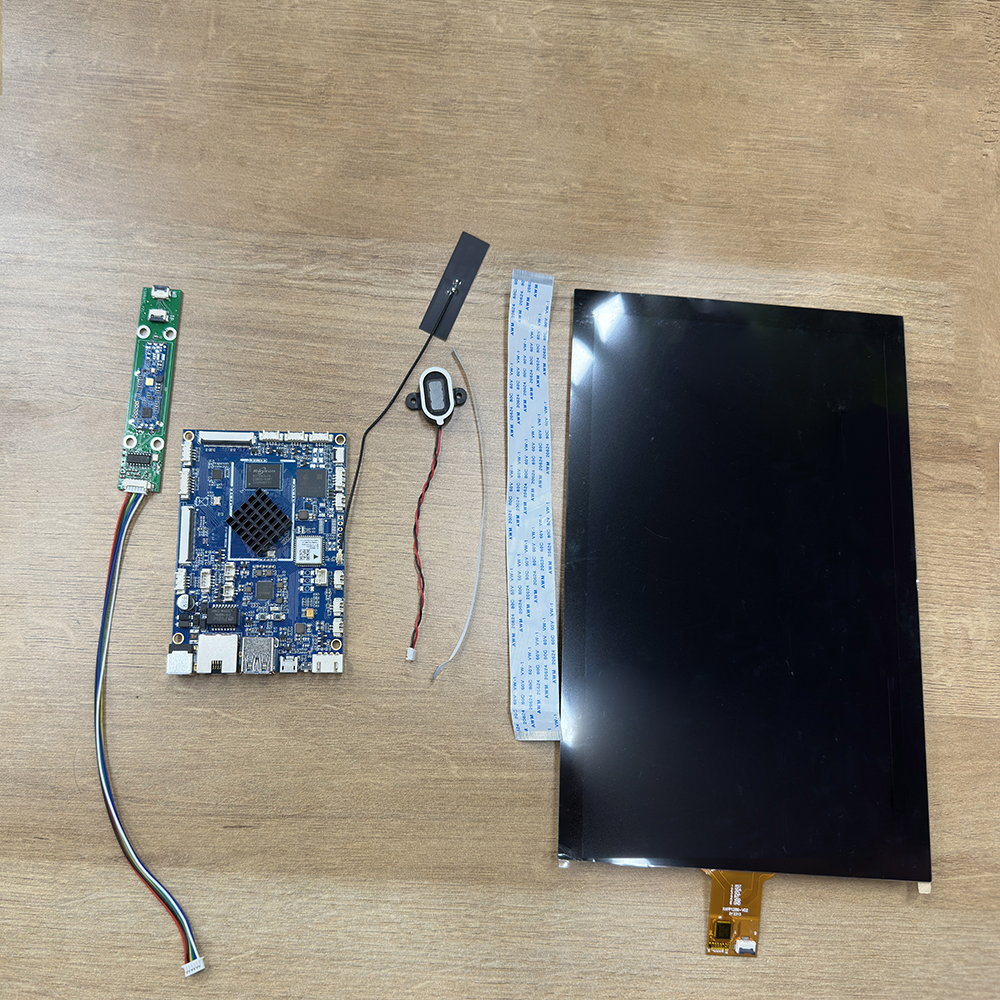
How to solve the problem of a non-lighting up display? LCD screens are essential components in modern electronics, from smartphones to computer monitors, and issues with screen brightness can be particularly frustrating. Understanding the potential causes and solutions for an LCD screen not lighting up can help troubleshoot and resolve the issue effectively. 1. Reasons […]

Camera Industry and Display’s Color Gamut The display color gamut, which is crucial for accurate and vibrant color reproduction, varies across industries such as photography, medical imaging, and manufacturing. Different industries have distinct color requirements. For instance, the photography and camera industry needs a wide and vibrant color gamut to reproduce true-to-life colors. In the […]
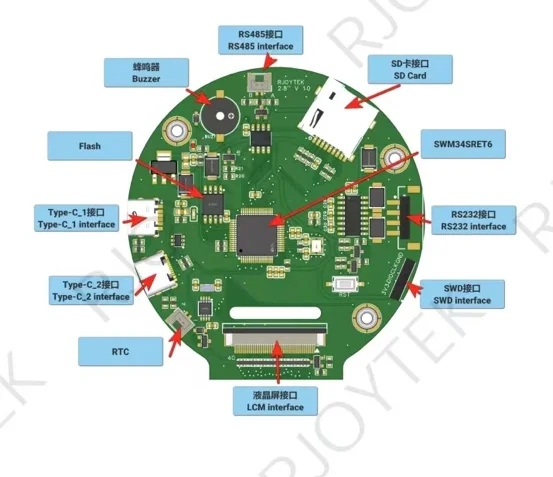
Add Your Heading Text Here What exactly is a serial port (HMI) screen? A serial port screen is a display that can be easily connected to a microcontroller or other device using a serial communication protocol. This allows for easy integration into a wide range of projects and applications, making it a versatile and valuable […]
The Structure of TFT LCD Displays TFT LCD Display (Thin-Film-Transistor Liquid Crystal Display) technology features a sandwich-like structure with liquid crystal material between two glass plates. It includes polarizer filters, RGB color filters, and alignment layers to control light and color. Each pixel in an active matrix has a transistor with a capacitor, allowing it […]
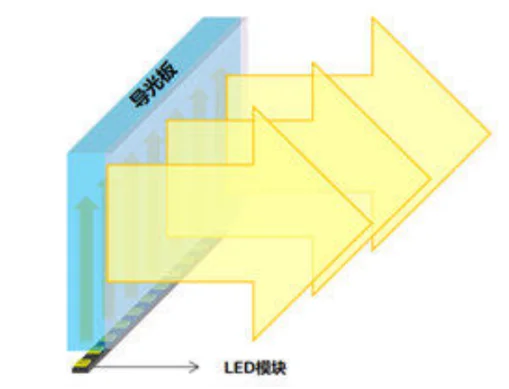
Display Backlight Technologies: Direct LED vs Edge LED Backlight technology is a crucial component of LCD because LCD themselves do not emit light and require a backlight source for illumination. The choice of backlight technology directly impacts the display’s brightness, contrast, color performance, and energy consumption. Direct LED and Edge LED are two common backlight […]

Comparing Display Technologies: TFT LCD, OLED, and Quantum Dot Display technologies have evolved significantly, providing diverse options for various applications. This article compares three prominent technologies: TFT LCD, OLED, and Quantum Dot displays, focusing on their key features and advantages. 1. TFT LCD (Thin-Film Transistor Liquid Crystal Display) Features Complex Structure: Comprises a liquid crystal […]
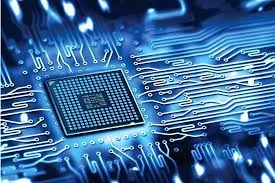
In the world of embedded systems, the choice between an MCU and an SoC can dictate your entire product lifecycle—from bill-of-materials (BOM) costs to software complexity. Let’s demystify these components from a professional, boots-on-the-ground perspective.

TFT display panel interface and its advantages and disadvantages TFT display are widely used in a variety of electronic devices, including smartphones, tablets, laptops and industrial control equipment. In order to connect the display with the motherboard or other signal sources, various interfaces are widely used. This article introduces several common TFT display panel interfaces, including SPI interface, […]

Three touch technologies of LCD capacitive touch screen: In-Cell/ On-Cell/ OGS LCD touch screen structure The basic structure of ordinary LCD display touch screen can be divided into three layers: protective layer, touch layer and display layer. There will be an air layer between the general protective glass, touch layer and display panel after bonding, […]
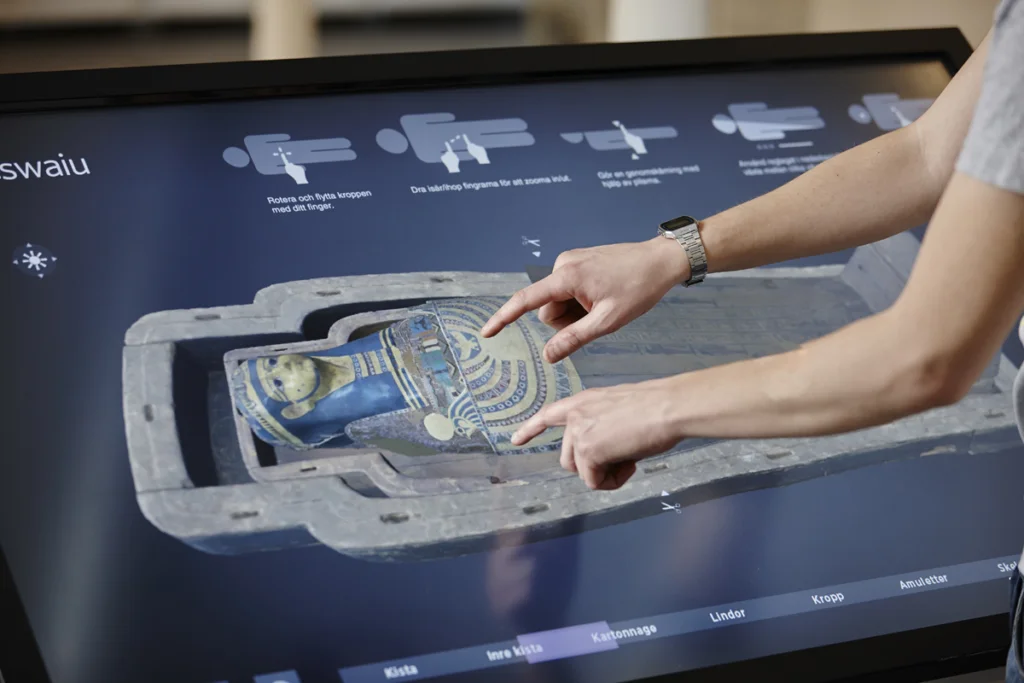
Capacitive Touch screen vs. Resistive Touch Screen: Technology Analysis, Performance Evaluation and Application Comparison Touch screen as a new input device, it is currently the most simple, convenient and natural way of human-computer interaction. When contacting the graphic buttons on the screen, the haptic feedback system on the screen can be driven according to the […]
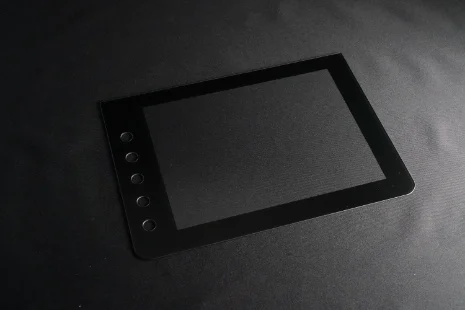
Introduction to the types of screen cover With the progress of science and technology and the diversification of consumer needs, the application of screen covers in electronic devices is becoming more and more important. Screen covers not only protect the screen from external damage, but also enhance the aesthetics and user experience of the device. […]
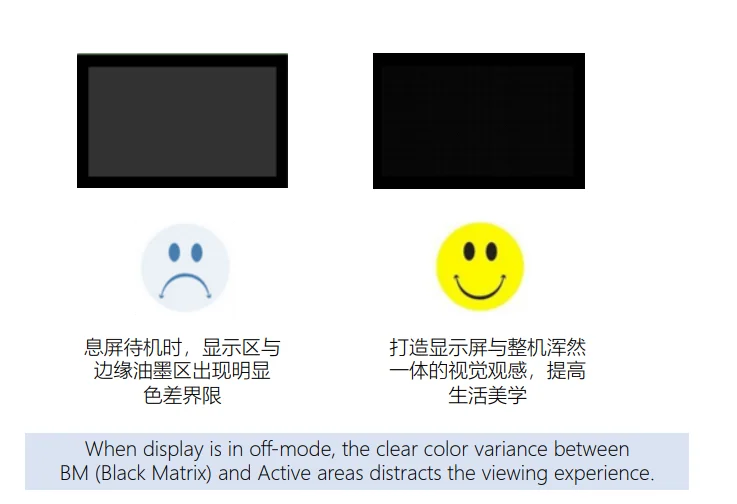
Unveiling the Future: The Seamless Black Display Revolution In the ever-evolving landscape of technology, one concept stands out for its sheer elegance and innovation: the Seamless Black Display. Imagine a world where your visual experience is not marred by bezels or interruptions, where the screen seamlessly blends into the surroundings, immersing you completely in what […]
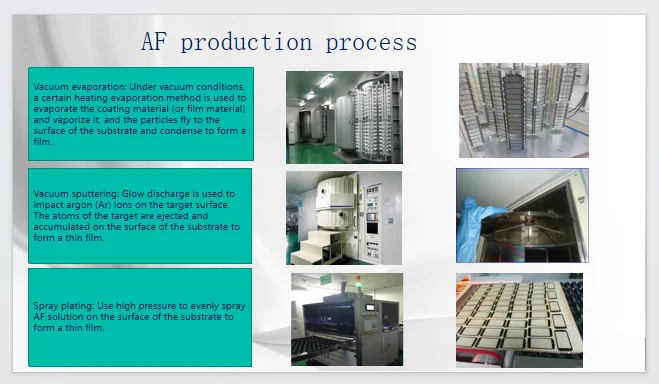
Anti-Fingerprint (AF) Film AF films are designed to reduce the visibility of fingerprints and smudges on surfaces, enhancing both the aesthetic appeal and functional usability of touchscreens and high-contact surfaces. Key performance parameters for AF films include: Water Contact Angle: >110°, indicating strong hydrophobic properties. Oleic Acid Contact Angle:>74°, signifying effective resistance to oily substances. […]

The highly anticipated Xiaomi SU7 electric vehicle has finally made its debut, captivating attention with its stylish design and cutting-edge technologies. Beyond the eye-catching exterior and interior design, the robust AIoT vehicle ecosystem and the ultra-clear vehicle display screen integrated with voice control, navigation, and entertainment functionalities have left a lasting impression. The Xiaomi SU7 […]
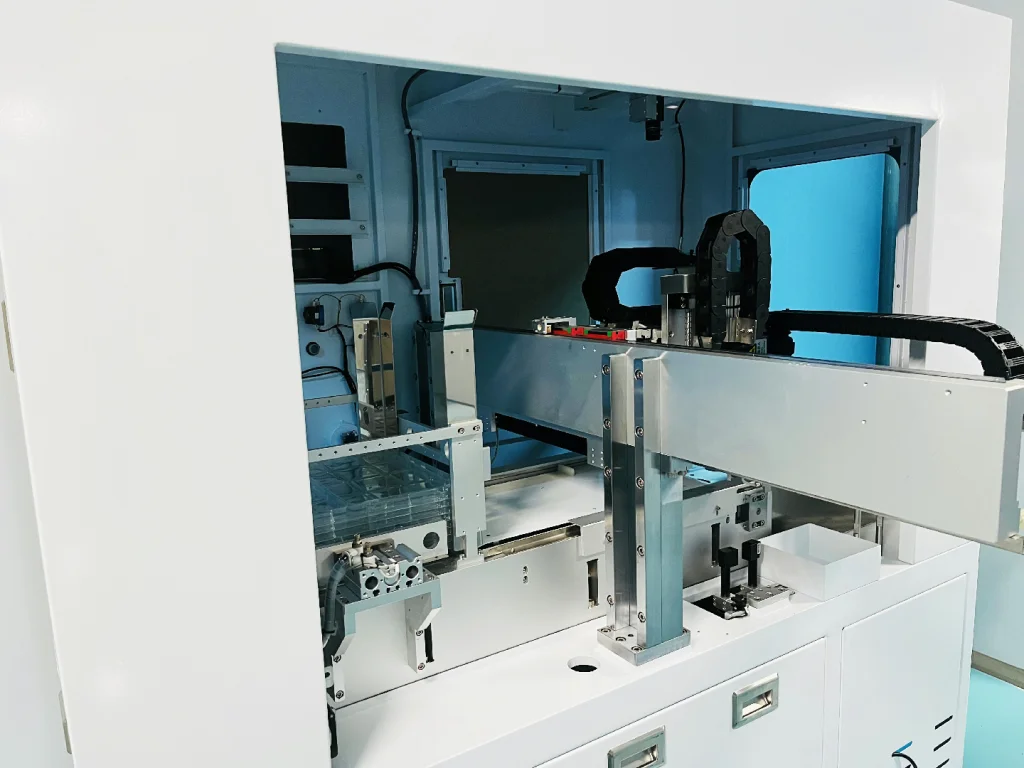
In the ever-evolving world of display technology, TFT (Thin-Film Transistor) LCD displays have emerged as a game-changer, offering superior image quality, faster response times, and enhanced energy efficiency. Understanding the inner workings and components of these remarkable displays is crucial for anyone seeking to harness their full potential. Join us as we delve into the […]
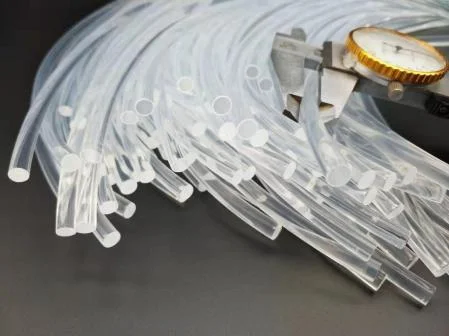
In the field of optical transmission, the demand for high-performance and reliable fiber optic materials is constantly increasing. Traditional optical fibers often face challenges such as signal attenuation, environmental resistance, and limited application scenarios. To address these issues, an innovative optical fiber material called PU-coated composite fiber has emerged, offering superior comprehensive performance and versatile […]

Compared to ordinary LCDs, TFT LCDs offer very sharp and crisp pictures/text with shorter response times. TFT LCD displays are being used in more and more applications, giving products better visual presentation. Structure of TFT LCD TFT is an abbreviation for “Thin Film Transistor.” The color TFT LCD display has transistors made up of thin […]

TFT (Thin-Film Transistor) LCD displays have become a dominant technology in modern electronics, offering significant improvements over traditional LCD displays. By utilizing a thin-film transistor layer, TFT LCDs are able to deliver enhanced image quality, faster response times, and reduced power consumption – making them the preferred choice for a wide range of applications, from […]
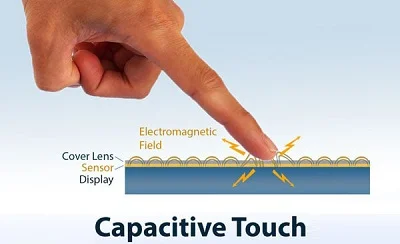
In the realm of modern digital devices, touch display technology has undoubtedly become the critical bridge for human-machine interaction. As two mainstream solutions, resistive touch panels (RTP) and capacitive touch panels (CTP) operate on different principles, each boasting distinct advantages and drawbacks. So, which one best suits your application scenario? Let’s delve deep and find […]

As electric vehicles (EVs) rapidly gain traction, the construction of charging infrastructure is in full swing. Serving as the critical link between EVs and the power grid, charging stations not only require efficient charging technology but also an exceptional human-machine interaction system. In this regard, TFT LCD display modules play a pivotal role, providing users […]
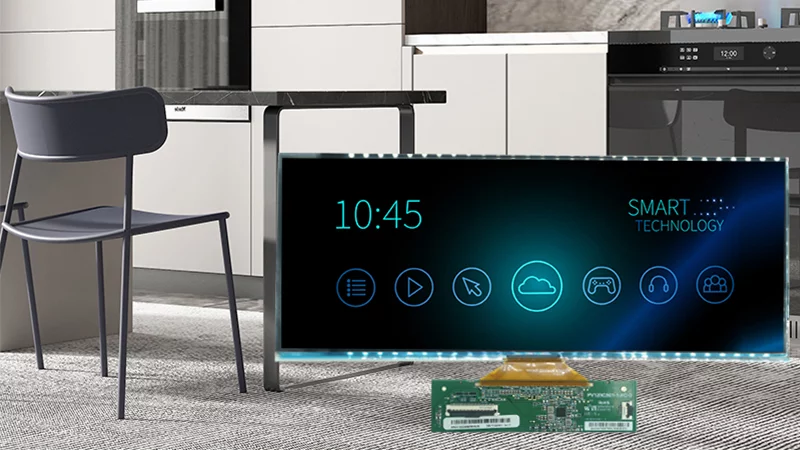
In the previous article, we discussed the technical differences and application scenarios of LCD and OLED displays. To gain a deeper understanding of the advantages and limitations of these two display technologies, we will now delve into their complete structures.
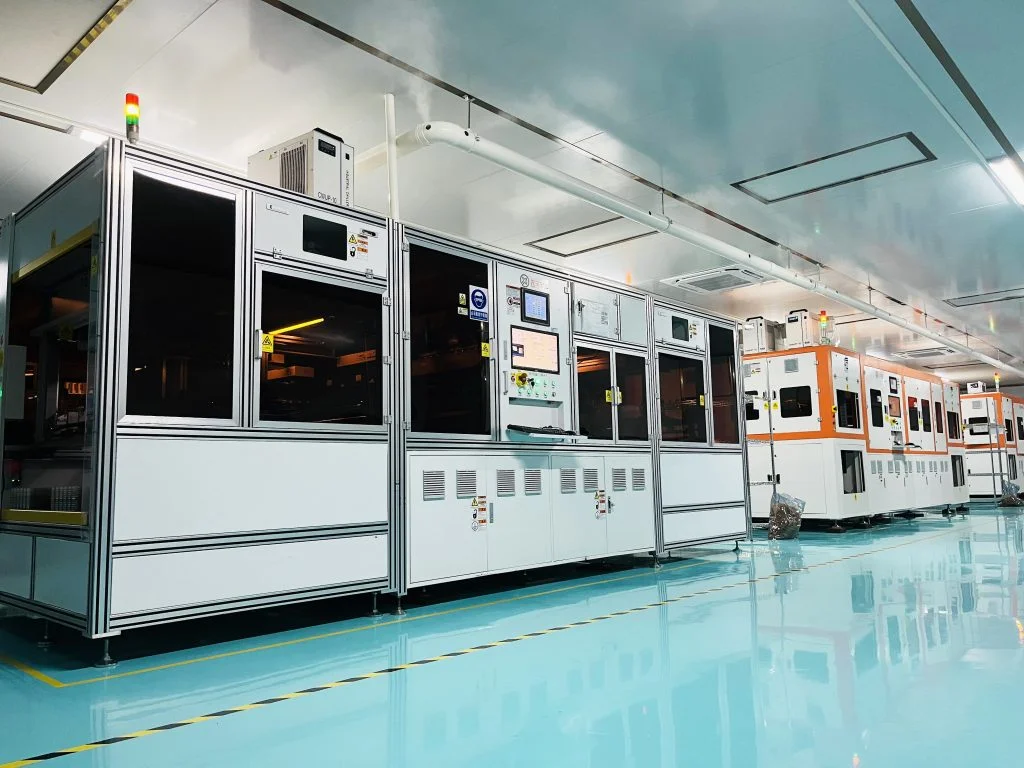
In today’s highly competitive display market, choosing the right LCD supplier is crucial for a company’s success. While many businesses may initially focus on large brands with good reputations and product quality guarantees when selecting suppliers, the best choice often involves working directly with factories. This article will delve into why collaborating with LCD factories […]

LCD is a commonly used peripheral, and semiconductor manufacturers typically provide pre-written LCD interface driver programs for their chips. Developers don’t need to modify the LCD driver section; they only need to adjust the device tree according to the specific LCD device they are using. While no modifications are necessary in the driver, it’s still […]

Welcome to the fascinating world of Liquid Crystal Modules (LCMs). In today’s tech-driven landscape, where displays are ubiquitous, LCMs stand as a critical and often overlooked innovation that plays a pivotal role in how we interact with electronic devices.First of all, we’ll embark on a journey to unravel the essence of LCM technology, answering the […]

In the ever-evolving world of technology, advancements in visual quality have had a profound impact on our entertainment experiences. One of the most significant developments in recent years has been the transition from Full HD (1080p) to 4K resolution in the world of movies. As filmmakers strive to deliver captivating stories with immersive visuals, the […]

In today’s fast-paced world, coffee has become a beloved beverage that fuels our mornings and provides a much-needed boost throughout the day. Coffee machines continue to evolve to meet increasing demands for customization and convenience. An exciting advancement in this field is the integration of TFT LCD display into coffee machines, revolutionizing the brewing experience. […]

In the world of display technologies, Mini LED and TFT LCD have emerged as prominent contenders, each offering unique features and benefits. As consumers demand ever-improving visual experiences, it becomes essential to understand the differences between these technologies and their respective strengths. This article aims to compare Mini LED and TFT LCD, delving into their […]
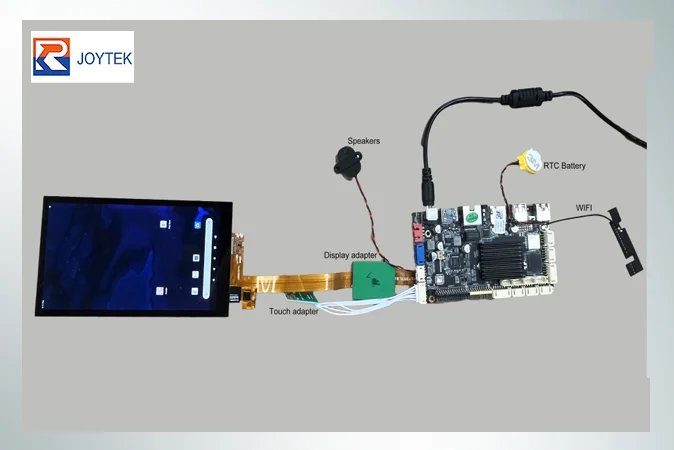
Unleashing Creativity with a 6-Inch LCD Display Android Project: Exploring the Possibilities of Interactive Visual Experiences. The 6″ 1080*1920 TFT LCD Panel with Android Board is a prime example of innovation at its finest. With a compact size and a host of impressive features, this LCD panel is set to revolutionize the way we interact […]
In today’s technological era, different type display have become an integral part of various electronic devices. Whether it’s a smartphone, tablet, gaming console, or even an industrial control system, having a high-quality display is crucial for delivering an immersive and user-friendly experience. One such display option that has gained significant popularity is the 5-inch TFT […]
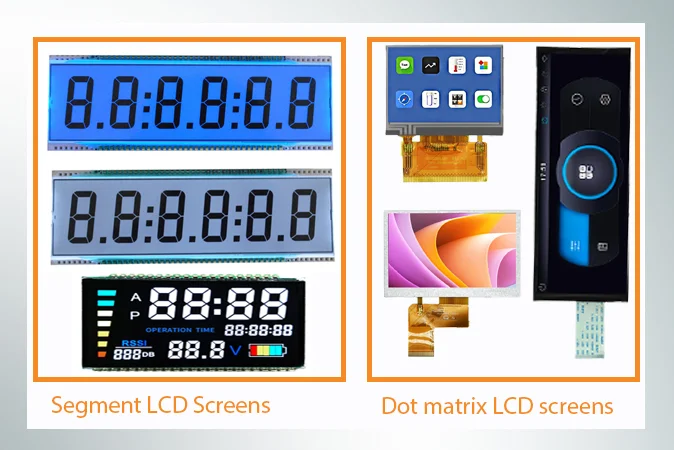
Dot matrix LCD screens and segment LCD screens are two different types of LCD (liquid crystal display) technologies used in electronic devices. Here’s a we will discuss their differences from different aspects. Display Method: Dot Matrix LCD: Dot matrix LCD screens are capable of displaying alphanumeric characters, symbols, and graphical content by arranging a matrix […]
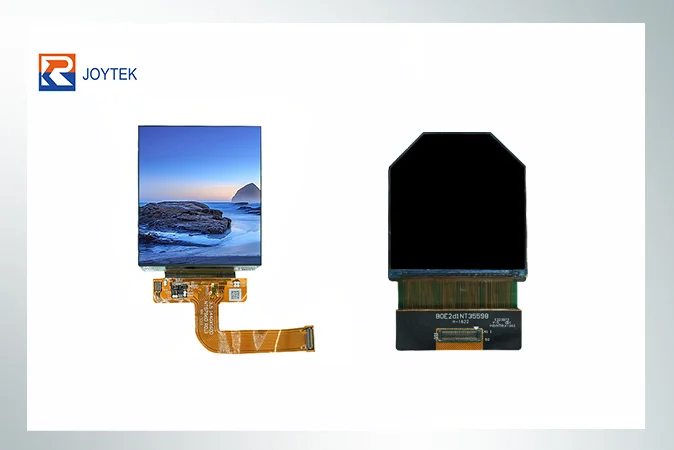
In recent years, virtual reality (VR) and augmented reality (AR) devices have become increasingly popular. These devices rely on high-quality displays to create immersive experiences for users. One display that has been gaining attention in the VR and AR industries is the 2.1 inch 1600*1600 TFT LCD panel and 3.5 inch 1440*1600 TFT display. Let […]
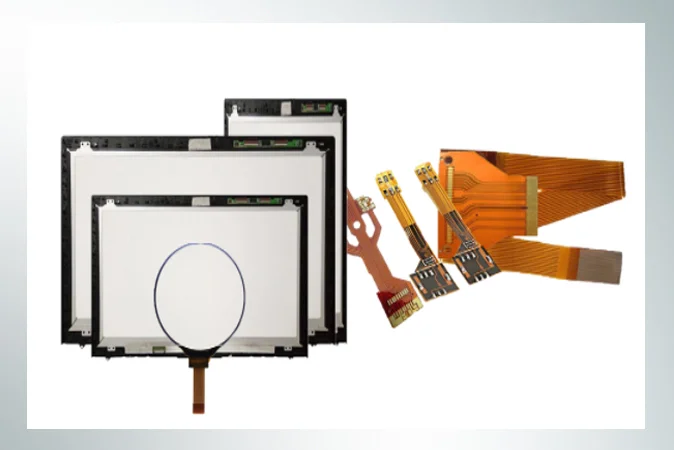
MIPI (Mobile Industry Processor Interface), LVDS (Low-Voltage Differential Signaling), SPI (Serial Peripheral Interface), MCU (Microcontroller Unit), and RGB (Red-Green-Blue) are all interfaces used in LCD displays. Each of these interfaces serves a different purpose and has its own strengths and weaknesses. We do tailor-made LCD solution, custom LCD module is our advantages, square TFT LCD […]
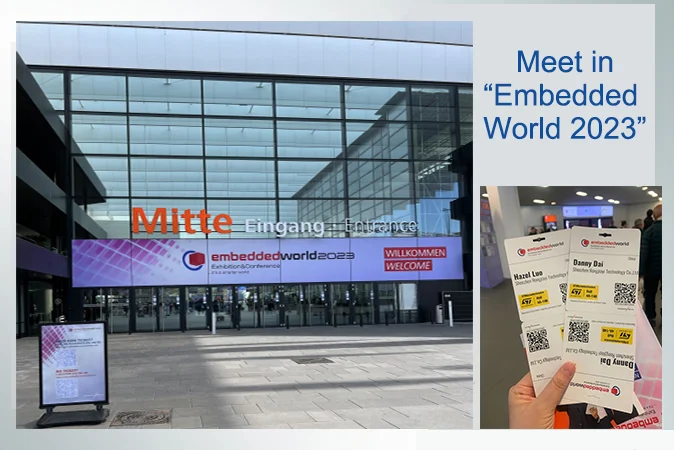
In 14th Marth, our team representative Danny and Hazel traveled to Germany to visit the “Embedded world 2023”, and meet with some of our valued clients who use our LCD Displays in their businesses. We were thrilled to have the opportunity to connect with them in person and showcase the latest features of our products. […]

LCD panels are ubiquitous in today’s technology-driven world, found in everything from smartphones and tablets to televisions and computer monitors. Despite their prevalence and generally high reliability, LCD panels can fail for a variety of reasons. Understanding the common causes of LCD panel failure can help in preventing issues and prolonging the life of these […]
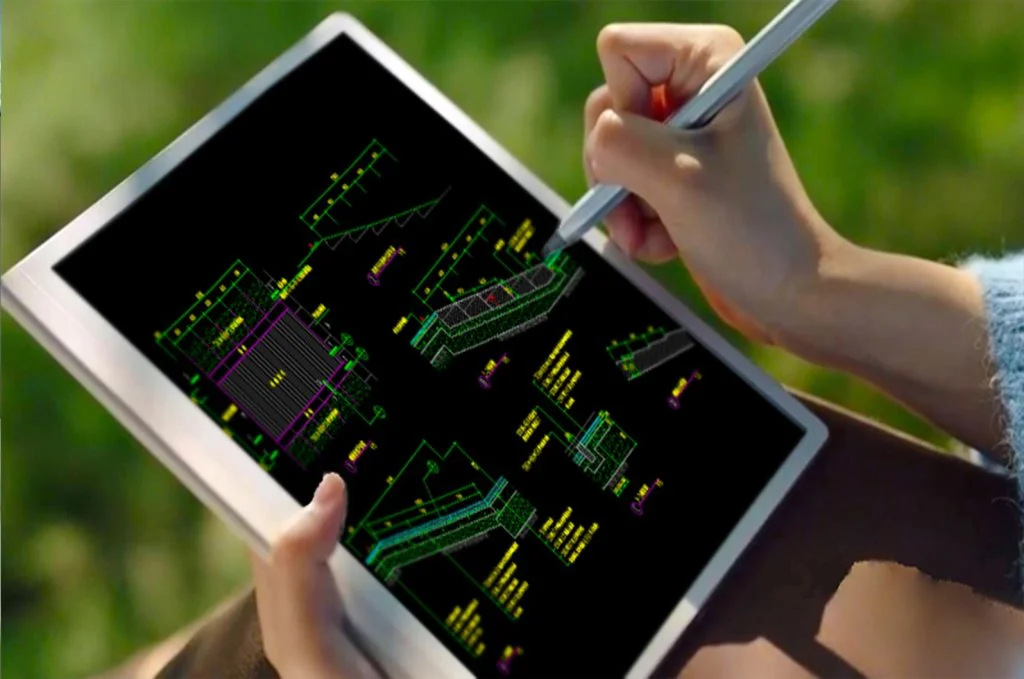
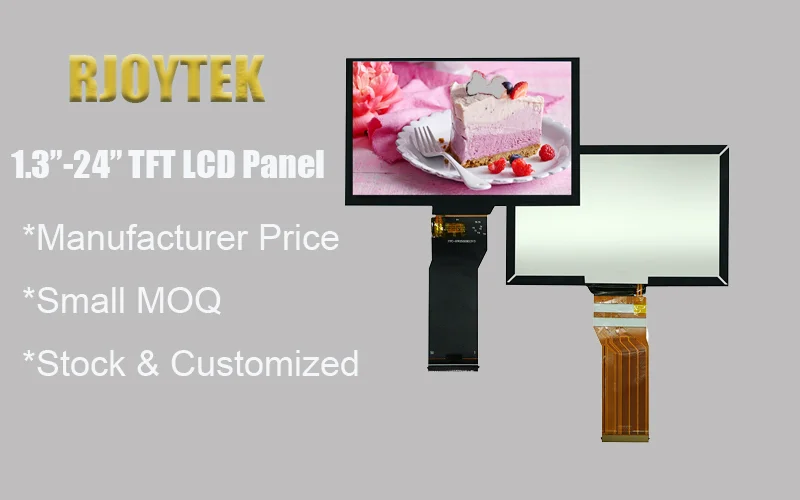
Our advantage is to customize 1.3 inch to 24 inch LCD sunlight readable TFT display screen. Of course, we also have a small part of customization for outdoor LCD stretched bar advertising screens, such as 24 inch, 31.5 inch, 43 inch stretch bar TFT LCD Advertising display is also a brightness project that we usually […]

Connecting an LCD display to an I2C bus is a simple and efficient way to control the display, especially when you’re working with microcontrollers with limited pin resources. Here’s an overview of how to connect an LCD display to an I2C bus: Connect the power supply: Connect the positive and negative power supply pins of […]
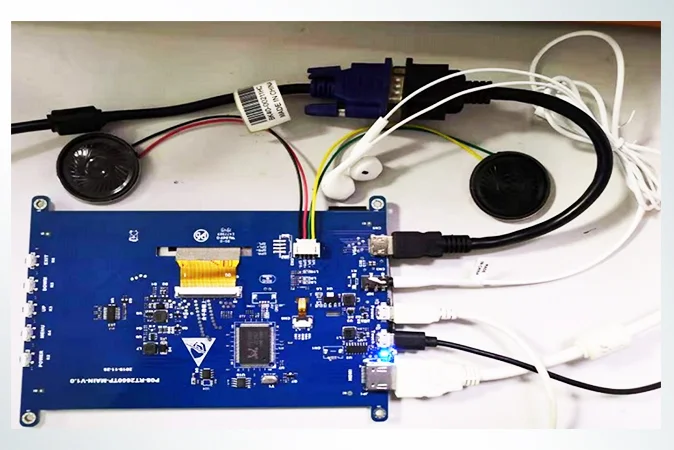
In the context of Arduino, an LCD module refers to a display device that is used to display text or other information. These modules are typically controlled by an Arduino microcontroller and are used to display data or provide a user interface for various projects and applications. An LCD module for Arduino typically consists of […]

Liquid crystal module refers to the liquid crystal panel or we also call it LCM, LCD Module, including polarizers, color filters, liquid crystal glass (glass sandwich liquid crystal), TFT control parts, in simple terms, it is the LCD screen + backlight assembly. Nowadays, LCD display we also could know as LCD module. What is the […]

With the growth of smart devices, the application of touchscreens is getting closer and closer to our life. Various electronic devices, vehicle tools, daily entertainment equipment, shopping navigation equipment, etc., and the LCD touchscreen has already been integrated into our daily life. When we meet various touch technologies and choose a device with a touchscreen, […]
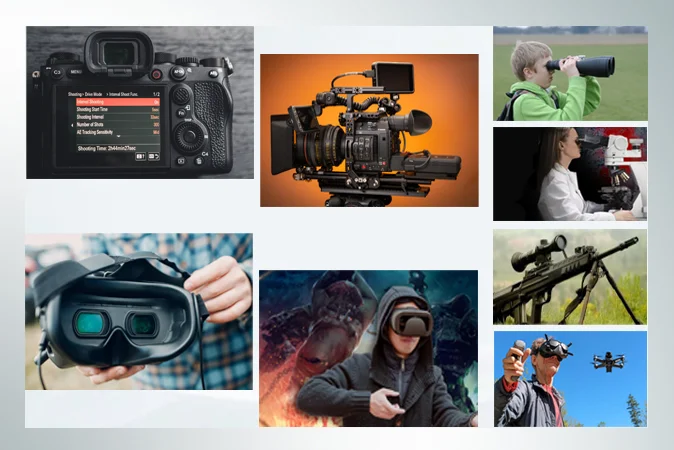
A microdisplay is a miniaturized display unit with a miniature size, also known as a miniature flat display panel. Usually refers to a display with a diagonal size of less than 2 inches (5 cm). There are various micro-display techology, but the mainstream technologies are liquid crystal on silicon (LCOS), liquid crystal display (LCD), digital […]
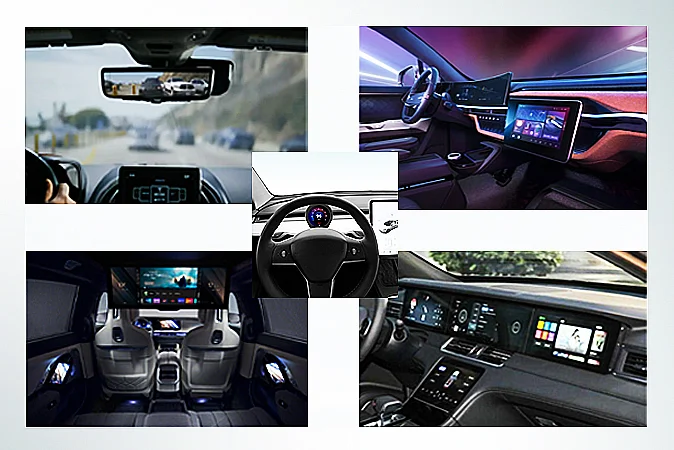
There are more and more automotive LCD screens, including central control navigation and entertainment LCD, LCD instruments, HUD, side view screens, front and rear mirror screens, and co-pilot entertainment LCD screens. With the popularization of new energy vehicles, people have more and more comprehensive requirements for cars, requiring the car display to be practical and […]
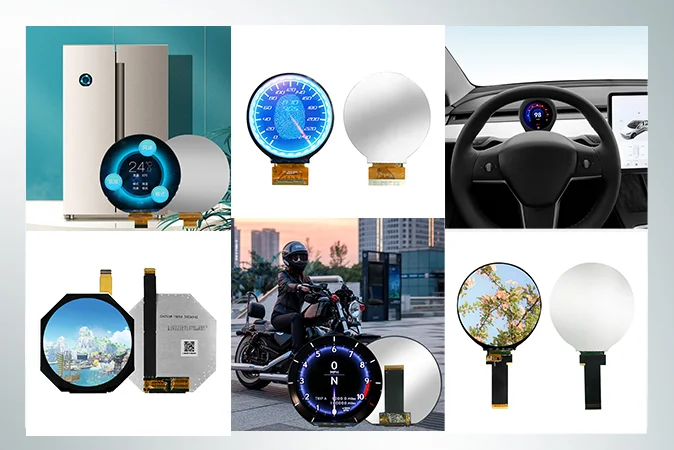
At present, there are not so many commonly used round LCD displays in the TFT LCD market. Some special large round displays and uncommon sizes may be customized by customers. Therefore, it is very important to find a supplier that can not only provide original LCD screens that are in stock in the market but […]

Are you agonizing about cannot find a good LCD supplier? Are you distraught because you do not know how to check the quality of the LCD products? Are you wondering why the supplier keeps asking you what products your LCD uses when communicating with you? Today, I will explain the problem systematically to our buyers, […]
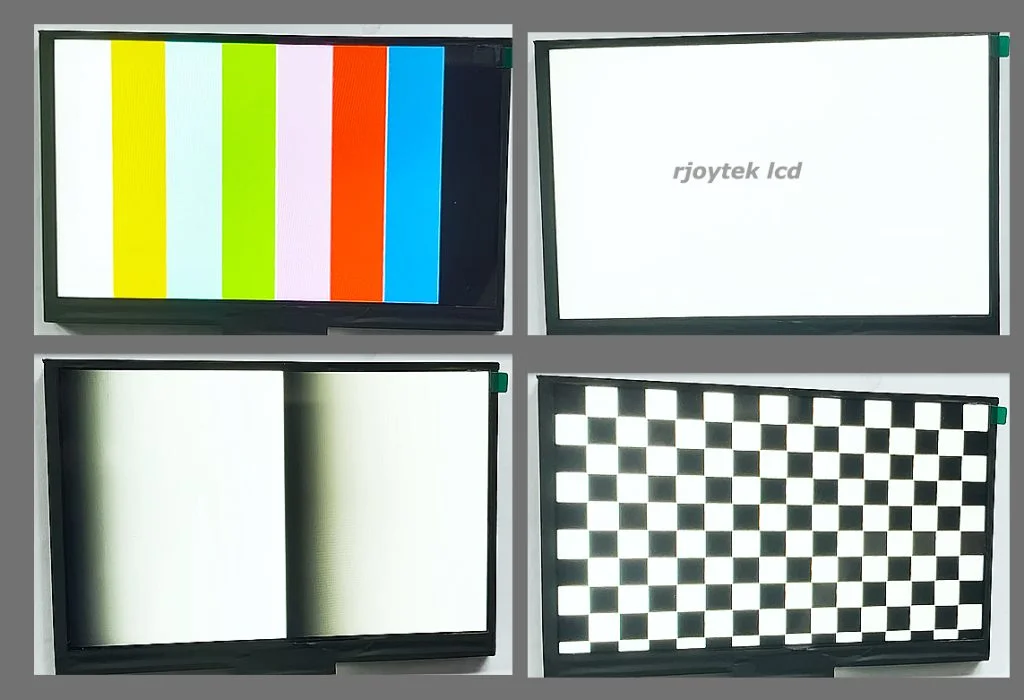
When we buy an LCD display or a product with an LCD screen, we want to know the quality of the screen. In addition, to check the parameter of products, and check the factory certification and product standard certification, how can we know the quality of the product by observing the product? We could verify […]

LCD and LED are two completely different concepts. LCD is a liquid crystal screen, which is used for display, and LED is a Light emitting diode, which is used for lighting, LCD is a display technology, LED is a light-emitting technology. The so-called LED TV is relative to the CCFL TV, which refers to the […]
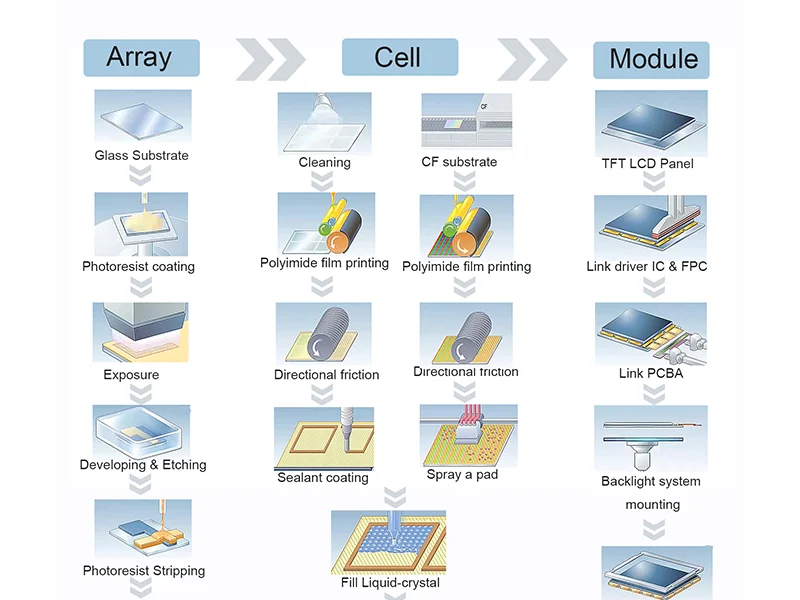
The TFT-LCD panel generally speaking is a liquid crystal layer that is sandwiched between two glass substrates, the upper glass substrate is combined with a color filter, and the lower glass is embedded with transistors. The upper glass is bonded with the color filter so that each pixel (Pixel) contains three colors red, blue, and […]
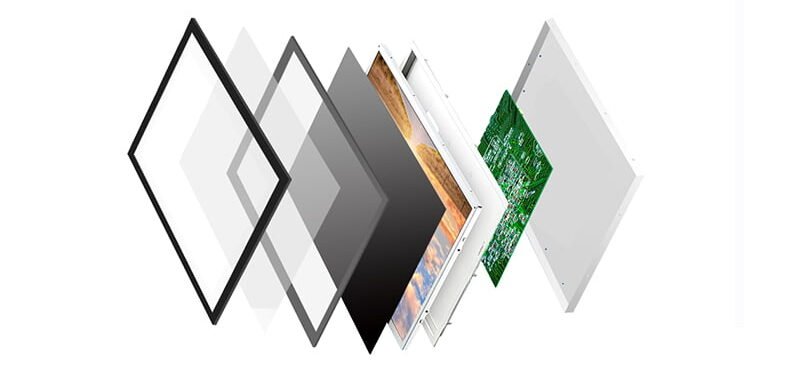
LCD displays can be seen everywhere in our life, such as TV screens at home, control switch displays, computer displays, roadside advertising LCD screens we see when walking on the street, signs in shopping malls, etc. Then, what is the structure and work principle of TFT LCD displays? Definition of TFT LCD TFT (Thin Film […]
With the development of liquid crystal display technology, today’s liquid crystal display has become a must-have products especially on electronic product for many people. The LCD display is a relatively expensive product, so we should pay attention to protect it in daily use and transportation, so how to prolong life the LCD screen? 1. Avoid […]

A typical car usually has multiple smart automotive displays, GPS Head-Up display speedometer, digital dashboard speedometer, and multi-function automotive touchscreen. If it is public transportation, indoor advertising LCD screens and outdoor advertising LCD screens will also be installed, and there will be a small TV display and PC computer on trains or high-speed trains. Among […]
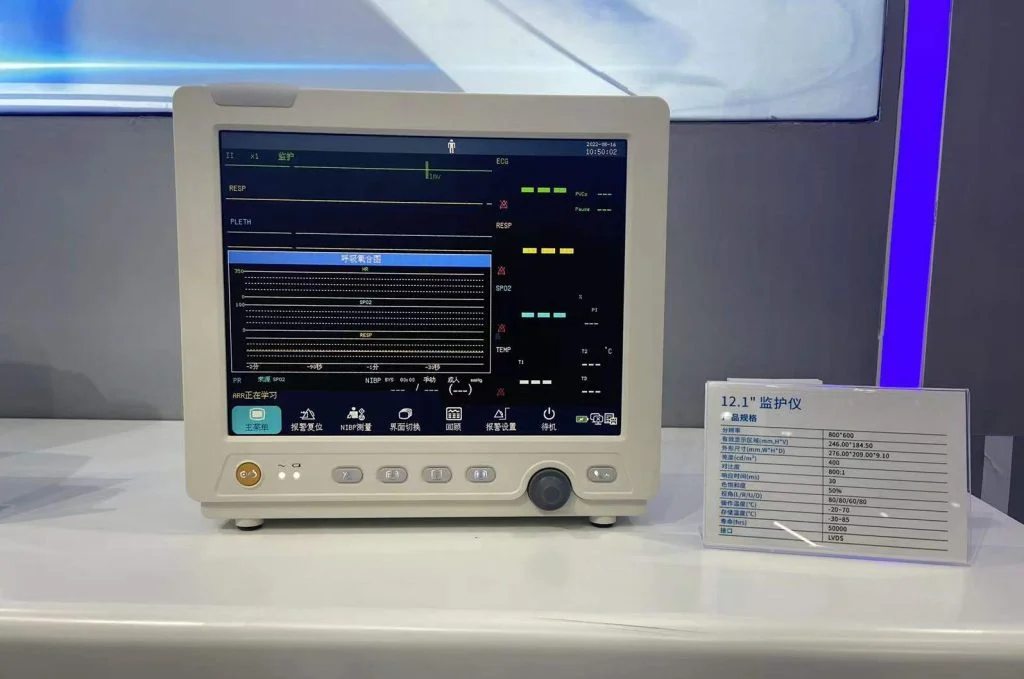
Medical equipment is an indispensable product in people’s life. Especially during the covid-19 period, the demand for medical equipment is increasing, and ECG and Blood Pressure Monitor and Ventilators are very important. The 15 inch 1024 * 768 and 12.1 inch 800 * 600 medical LCD displays provided by RJOYTEK are applied to ECG and […]
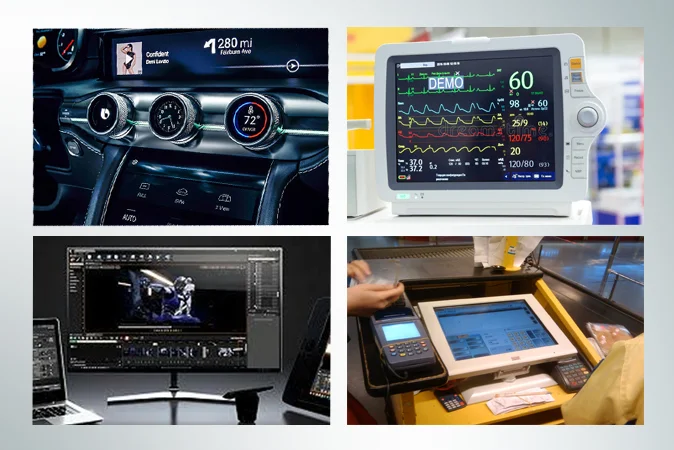
Some medium-sized LCD screens are used for automobile display, medical equipment such as heartbeat monitoring machines, oxygen inhalation equipment, bank equipment displays, ITM machines, small advertising screens, PC computer or laptop, etc. The following are the LCD panel parameters of various sizes. The interfaces and brightness can be customized and touchscreen can be added. If […]
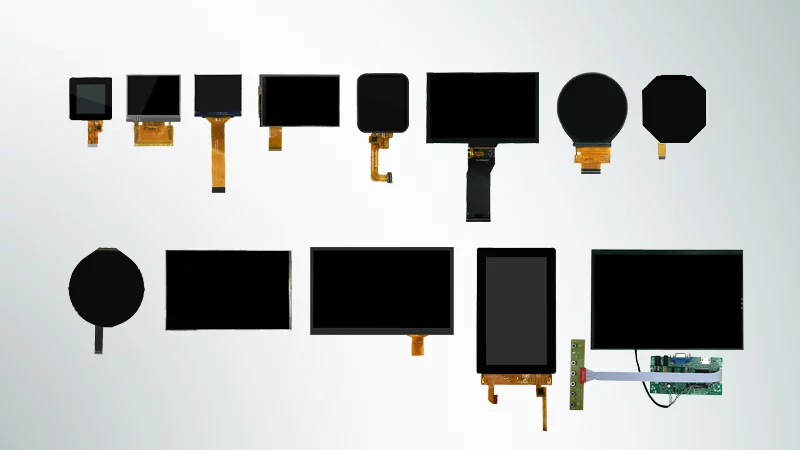
We provide standard 1.3″-10.1″ TFT LCD display module, and 10.2″-24″ TFT LCD Screen Panel, IPS LCD module or TN LCD screen module, some of them are square TFT LCD display panel, and some are circular LCD Screen panel, whether it is sample or bulk production, sample we also provide HDMI board, different kinds of LCD […]
Cars are now people’s daylife closest partners. With the development of technology, ordinary companies can easily produce their own cars. However, in the production of automobiles, there is one part is very necessary, and that is the display, and today’s display, adding more intelligent elements, the requirements of display manufacturers are getting higher and higher. Among […]
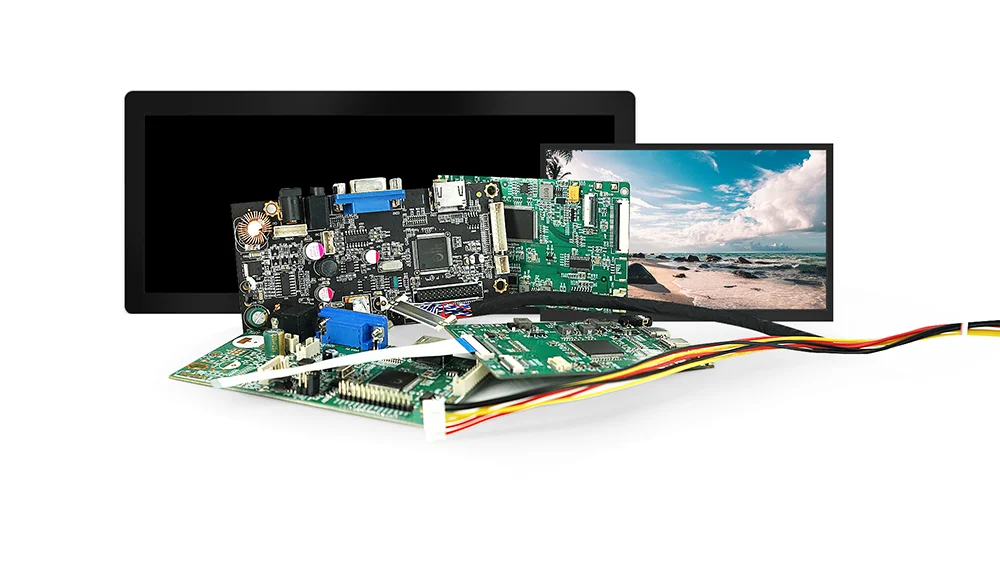
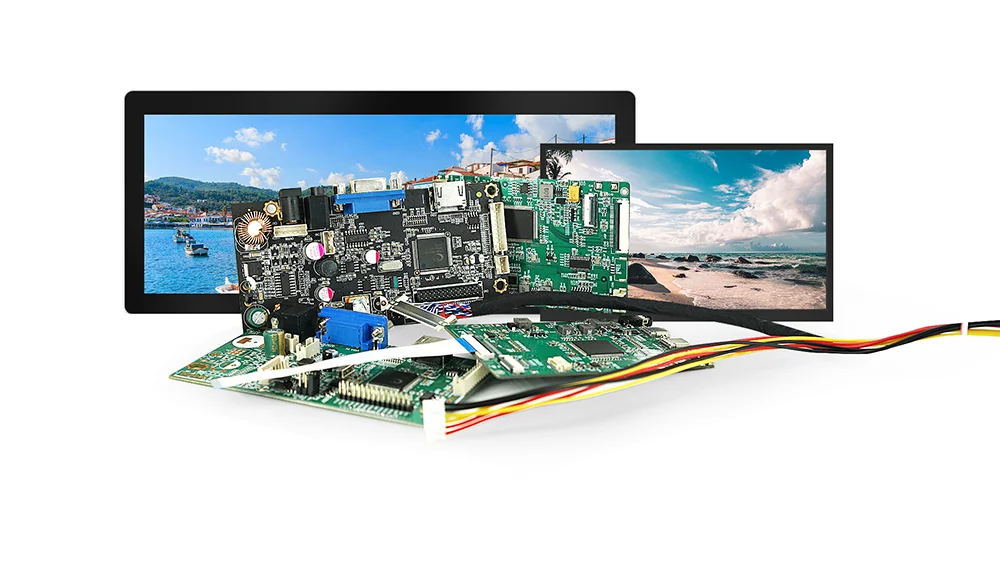
Our mission is to provide customers with more product support, whether it is brightness customization, interface definition or collocation support. We are willing to provide customers with one-stop service. We provide many collocation products when customer buy 12.3 inch TFT LCD Panel and 23.8 inch TFT LCD panel. Constant current plate (matching wire) Backlight Screen […]
There are many types of touch screens on the market, and the more common ones are resistive touch screens (RTP), capacitive touch screens (CTP), surface acoustic wave touch screens, and infrared touch screens. At present, the most widely used touch screens mainly include capacitive touch and resistive touch. The following two types of touch screens […]
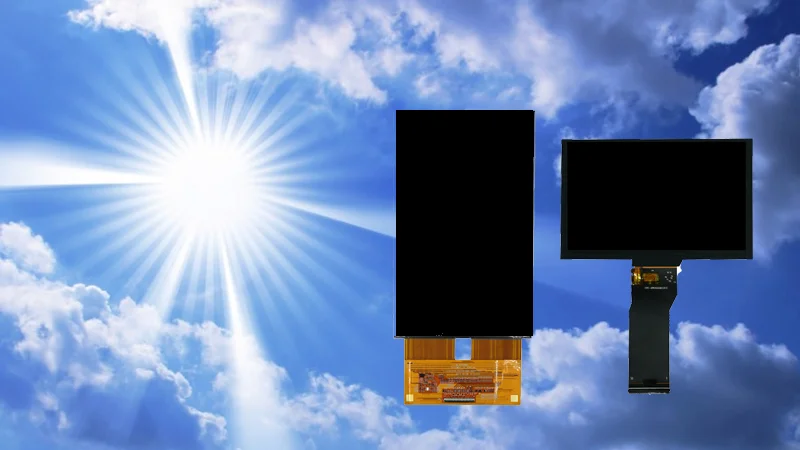
High brightness TFT LCD displays from high quality suppliers Rjoytek suitable for use as an outdoor display or sunlight readable display. High Brightness TFT LCD displays feature High LED backlight, providing a brightness of up to 2800cd/m², of cause, these high brightness acceptable customized in any size of lcd panel, but there are still some […]
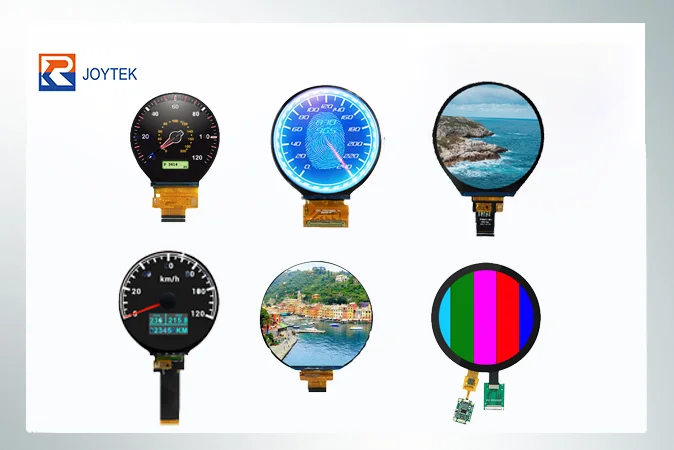
Rjoytek provide the wide range 1.3″ to 5″ small round TFT color LCD display, LCD touch screen module, wide temperature LCD, transparent TFT LCD display module, Sunlight readable Circular LCD display panel. high quality, fast delivery, small MOQ, customized flexible, and factory directly price. Advantages of round TFT LCD displays It meets the needs of […]
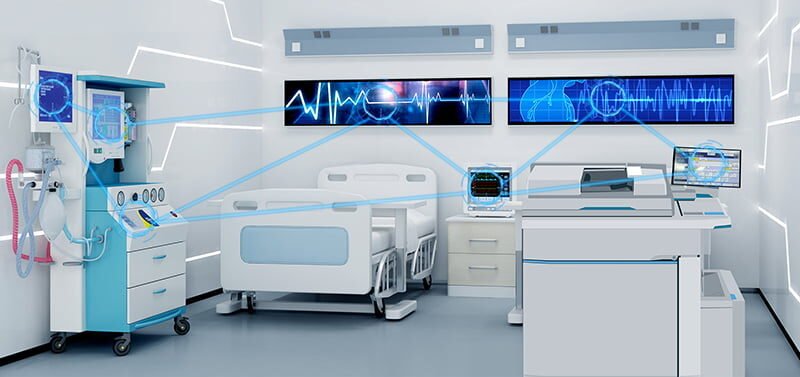
Visualization is an essential part of modern life, and displays are everywhere in the medical industry. With the rapid development of the medical industry, medical devices are becoming more and more high-end, and the emergence of medical terminals can enhance hospital management efficiency, reduce medical errors, reduce the labor intensity of medical staff, and improve […]
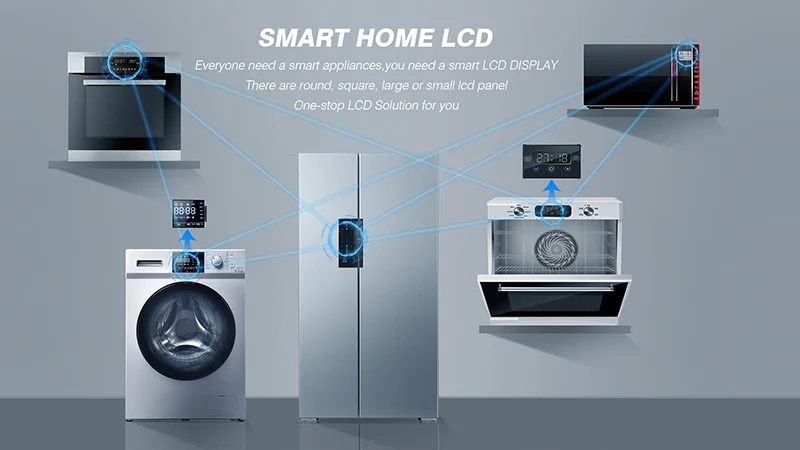
With the continuous development of science, people have higher and higher requirements for the quality of life. Smart home LCD screen has slowly entered people’s life. We can install LCD screens that can show various functions on different furniture appliances, or simply control furniture appliances in different places through an APP. Application of LCD […]
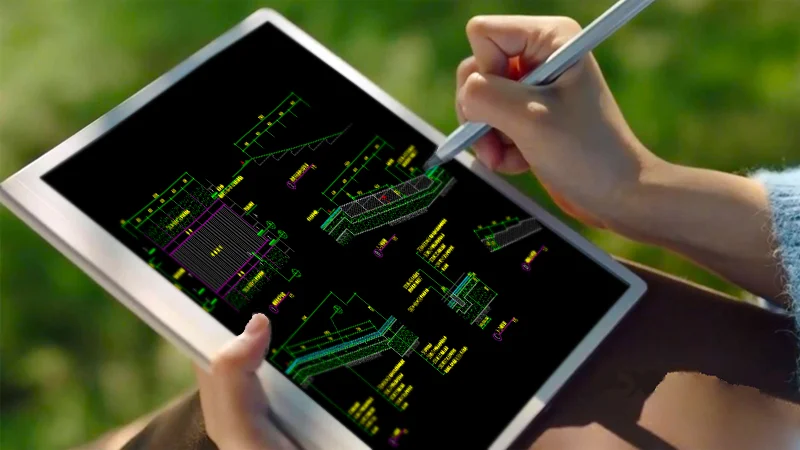
There are more and more TFT LCD displays used in our daily life, indoors and outdoors, such as Moible phone, TV, Computer, automobile display, digital signage advertising display on road and airport bar display and so on. In some fields, such as outdoor, this LCD display that require uninterrupted work, high-brightness screens, and sunlight-visible screens, […]
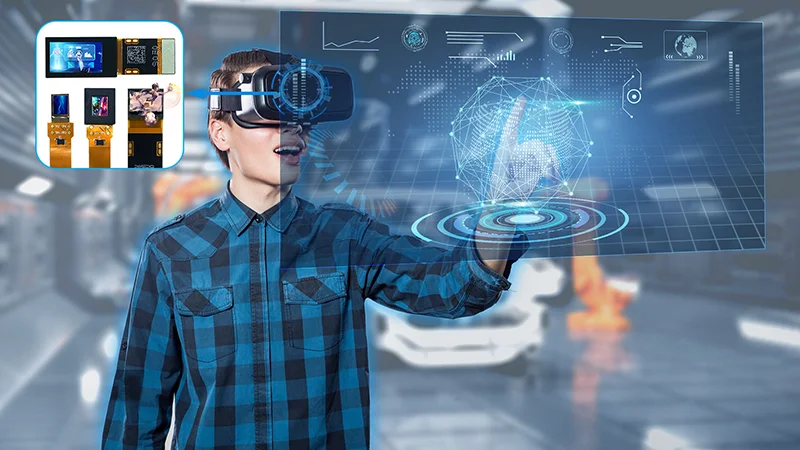
Definition of OLED OLED microdisplay is a new type of high-level micro-display technology. OLED microdisplay devices have the excellent characteristics of OLED self-luminescence, thinness, light weight, large viewing angle, short response time, and high luminous efficiency, and it is easier to achieve high PPI (pixel Density), small size, easy to carry, low power consumption and […]

With the development of science and technology, from the small lcd screen of mobile phones to the large screen, so does the automotive LCD display. Everyone’s demand for the screen not only grows from small to large, but also consideration of the working environment. The automotive LCD display not only requires to work in a […]
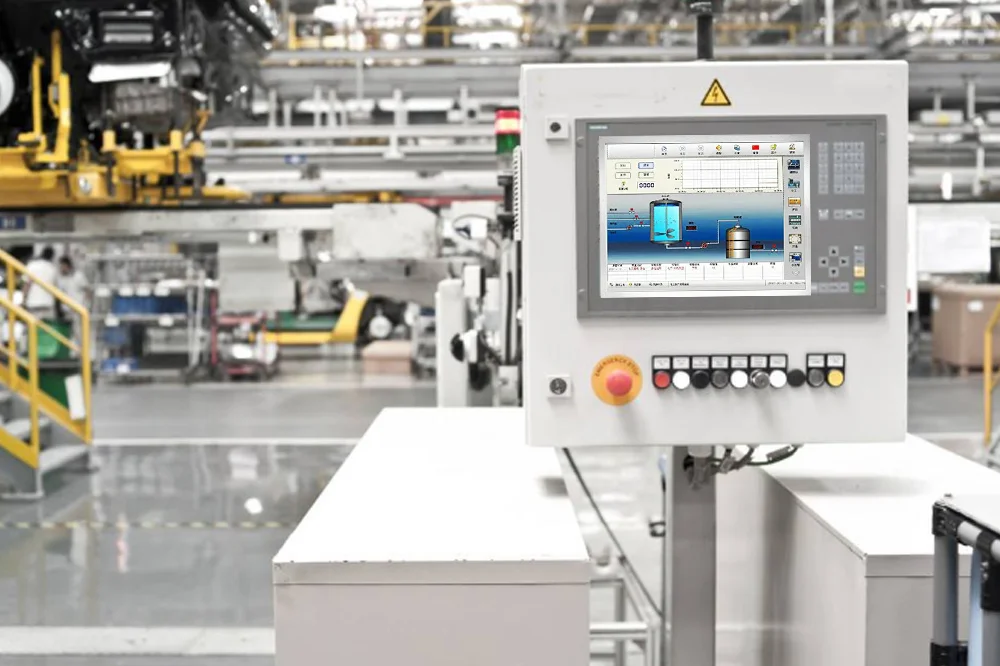
This is maybe the biggest benefit that working with Chinese LCD module manufacturers. It can even be assumed that this is maybe the biggest reason why the Asian country is at the forefront of the mass manufacturing business. 1: Reduced the LCD Module Costs This is maybe the biggest benefit that working with Chinese LCD […]
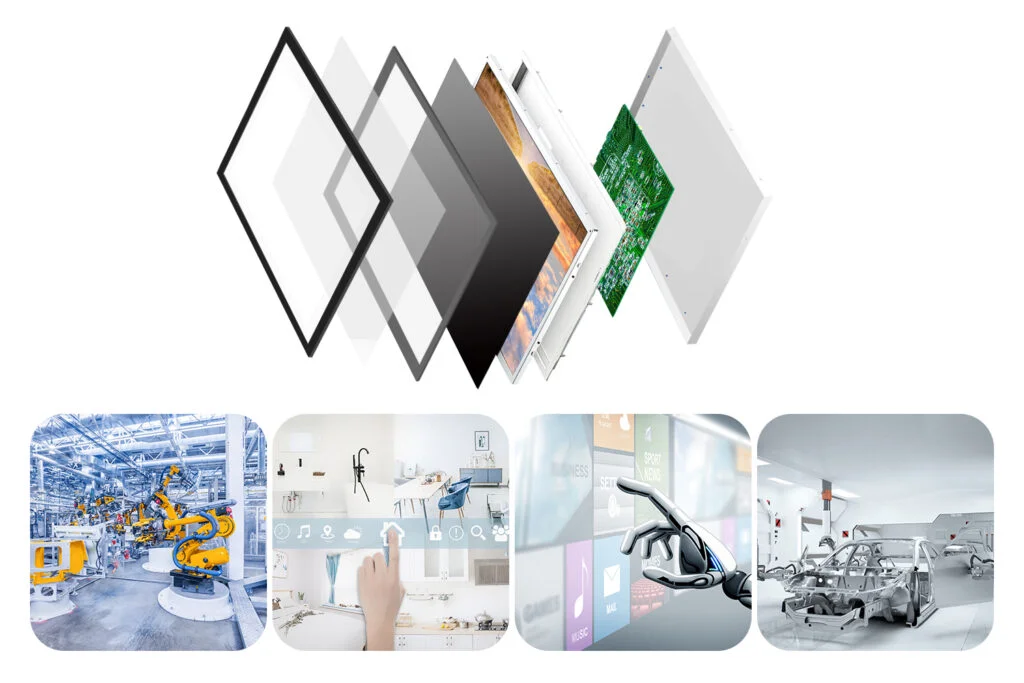
A TFT LCD (Thin-Film-Transistor Liquid-Crystal Display) is an advanced type of liquid crystal display that leverages thin-film transistor technology to enhance image quality, including addressability and contrast. Unlike passive matrix LCDs, TFT LCDs use an active matrix approach, allowing for sharper images and faster response times. This makes them ideal for a wide range of […]

TFT LCD TFT means a thin-film-transistor liquid-crystal display (TFT LCD) is a variant of a liquid-crystal display that uses thin-film-transistor technology to improve image qualities such as addressability and contrast. A TFT LCD is an active matrix LCD, in contrast to passive matrix LCDs or simple, direct-driven LCDs with a few segments. High display quality […]
No articles in this category yet.
Tell us about your application, display and system requirements.