
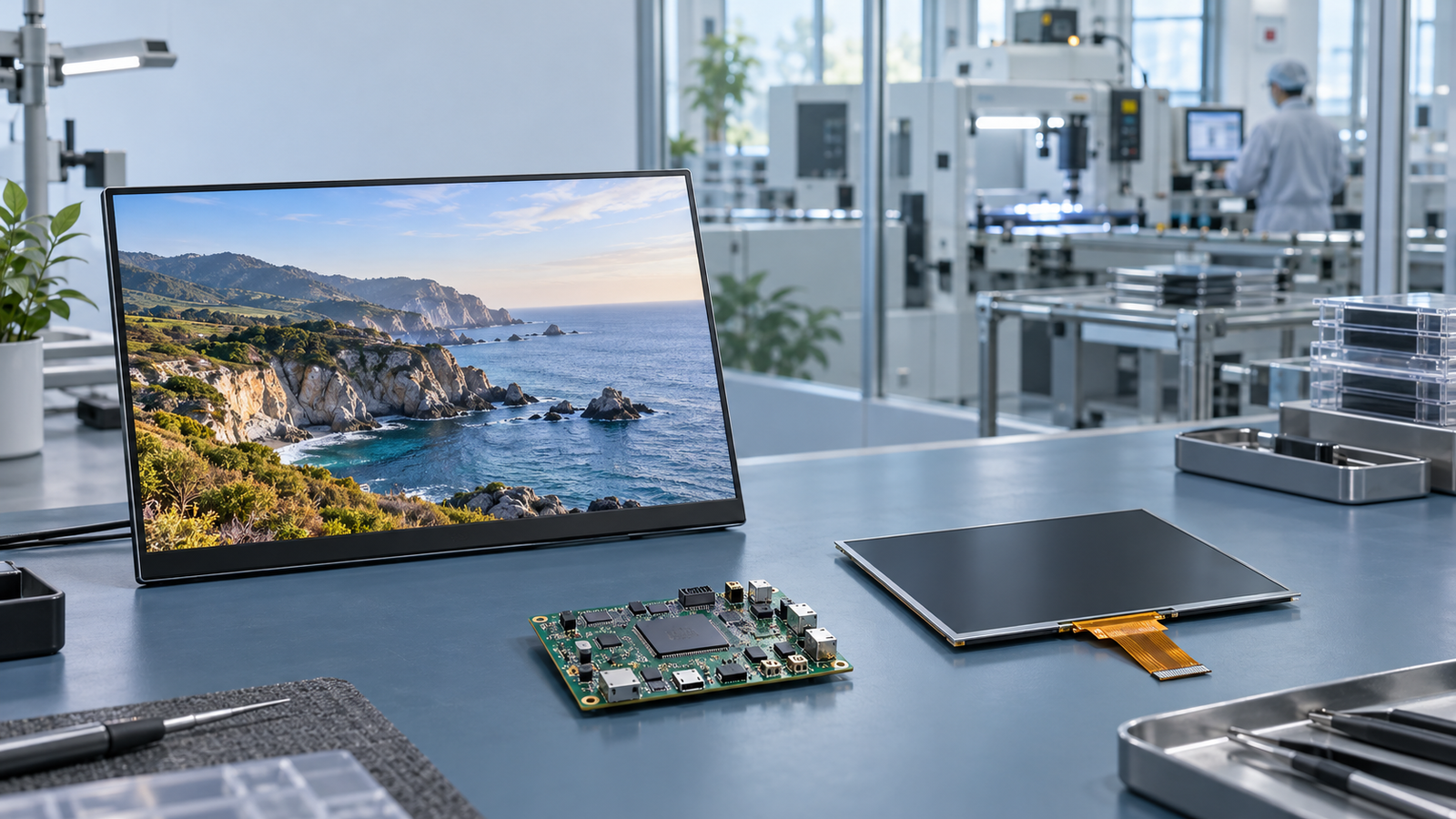
AI는 화면의 가치를 이미지 처리, 사용자 상호작용, 공장 운영으로 더 많이 이동시키면서 디스플레이 기술을 변화시키고 있다. OEM에게 있어 상업적 질문은 어떤 패널이 최고의 사양을 제공하는가를 넘어 더 넓어지고 있다. 그것은 또한 그 패널을 유용한 제품으로 만드는 처리, 소프트웨어, 생산 지식을 누가 통제하는가에 관한 것이기도 하다.
이러한 변화는 서로 다른 결과를 가져온다. 더 나은 이미지 처리는 제품 차별화를 지원할 수 있다. 대화형 인터페이스는 기기와 사용자 간의 관계를 재편할 수 있다. 제조에서의 AI는 생산 효율성에 영향을 미칠 수 있지만, 발표만으로는 낮은 비용이나 더 나은 수율이 입증되지 않는다.
이 글은 2026년 10월 16일 기준으로 입수 가능한 선별된 제조사 발표를 통해 이러한 변화를 살펴본다. 아래의 시장 함의는 정성적 분석이다. 이는 시장 규모, 채택률, 또는 독립적으로 검증된 성능을 측정하지 않는다.
AI는 디스플레이 경쟁의 기반을 변화시키고 있다
디스플레이 제품은 여러 가치 원천을 결합한다: 패널, 광학 설계, 전자부품, 소프트웨어, 외장, 그리고 애플리케이션. AI는 결과에 영향을 미치는 또 다른 방식을 추가하지만, 그 상업적 역할은 어디에서 실행되는지 그리고 어떤 문제를 해결하는지에 달려 있다.
텔레비전은 처리 기능을 사용하여 엔터테인먼트 콘텐츠를 적응시킬 수 있다. 산업용 단말기는 읽기 쉬운 텍스트, 예측 가능한 동작, 명확한 인터페이스로부터 더 많은 이점을 얻을 수 있다. 셀프서비스 키오스크는 사용자가 작업을 완료하도록 돕기 위해 음성 비서를 사용할 수 있으며, 그동안 LCD는 정보를 제시하는 익숙한 역할을 계속 수행한다.
AI는 이러한 차이를 더 중요하게 만들 수 있다. 공통된 AI 라벨은 매우 다른 제품, 개발 비용, 비즈니스 모델을 가릴 수 있다. 이를 비교하려면 개선되는 기능과 그 개선을 담당하는 시스템 부분을 식별해야 한다.
이는 또한 경쟁적 포지셔닝을 변화시킨다. 패널 성능은 여전히 중요하지만, 유사한 디스플레이 하드웨어를 사용하는 두 완제품 간의 전체 차이를 더 이상 설명하지 못할 수 있다. 처리와 소프트웨어는 브랜드 제안의 더 큰 부분이 될 수 있다.
| AI 역할 | 잠재적 상업적 가치 | OEM이 확립해야 할 사항 |
|---|---|---|
| 이미지 처리 | 유사한 패널 하드웨어로부터의 차별화된 표현 | 실제 콘텐츠, 처리 지연, 비용에 따른 이점 |
| 사용자 상호작용 | 더 쉬운 작업과 지속적인 소프트웨어 관계 | 작업 성공, 서비스 의존성, 유지보수 소유권 |
| 공장 운영 | 일관성과 생산 효율성의 가능한 개선 | 측정된 결과와 어떤 이점이 구매자에게 도달하는지 |
이미지 처리는 차별화로 가는 또 다른 경로를 만든다
삼성의 2026년 4월 유럽 테크 세미나가 그 방향을 보여준다. 이 회사는 저해상도 콘텐츠를 위한 AI 업스케일링 프로와 텔레비전 라인업 전반에 걸친 실시간 최적화를 설명했다. 또한 상황별 정보와 일상적 지원을 위한 플랫폼으로 비전 AI 컴패니언을 제시했다. 이는 독립적인 비교가 아니라 삼성의 자사 제품에 대한 설명이다. [1]
LG의 CES 2026 자료도 마찬가지로 플래그십 OLED evo G6와 Micro RGB evo 텔레비전을 알파 11 AI 프로세서 Gen3와 연결했으며, 두 가지 형태의 AI 업스케일링을 동시에 처리하는 기능을 포함했다. 이 발표는 제품 제안에서 처리 기능을 패널 기술과 나란히 배치한다. [2]
이러한 발표는 시스템 수준에서의 더 강한 경쟁을 시사한다. 브랜드는 구매자가 유사한 주요 패널 사양을 보더라도 들어오는 콘텐츠를 처리하는 방식으로 제품을 차별화할 수 있다. 상업적 이점은 부분적으로 알고리즘, 프로세서 성능, 튜닝, 그리고 시청 경험의 품질에 있을 수 있다.
OEM에게 이는 기회와 비용을 모두 창출한다. 처리는 불완전한 소스 자료의 표현을 개선할 수 있다. 또한 개발 작업을 추가하고 성공에 대한 명확한 기준을 요구한다. 더 선명해 보이는 이미지가 반드시 모든 세부 사항을 충실히 보존하는 것은 아니며, 엔터테인먼트 설정은 정확한 텍스트나 그래픽을 재현해야 하는 인터페이스에 부적합할 수 있다.
구매 함의는 구체적이다: AI 처리에 대한 프리미엄은 애플리케이션 수준의 이유가 필요하다. 제품이 주로 네이티브 해상도 메뉴를 표시한다면, 압축 비디오를 개선하도록 설계된 기능은 사용자 경험에 거의 기여하지 못할 수 있다.
LCD 모듈과 AI 시스템은 서로 다른 역할을 한다
이 구분은 특히 임베디드 제품에서 중요하다. TFT LCD 모듈은 자신에게 전달된 이미지를 표시한다. 설계에 따라 그 모듈은 백라이트와 터치 어셈블리를 포함할 수 있다. 그러한 구성 요소들 자체만으로는 AI 추론의 존재를 확립하지 않는다.
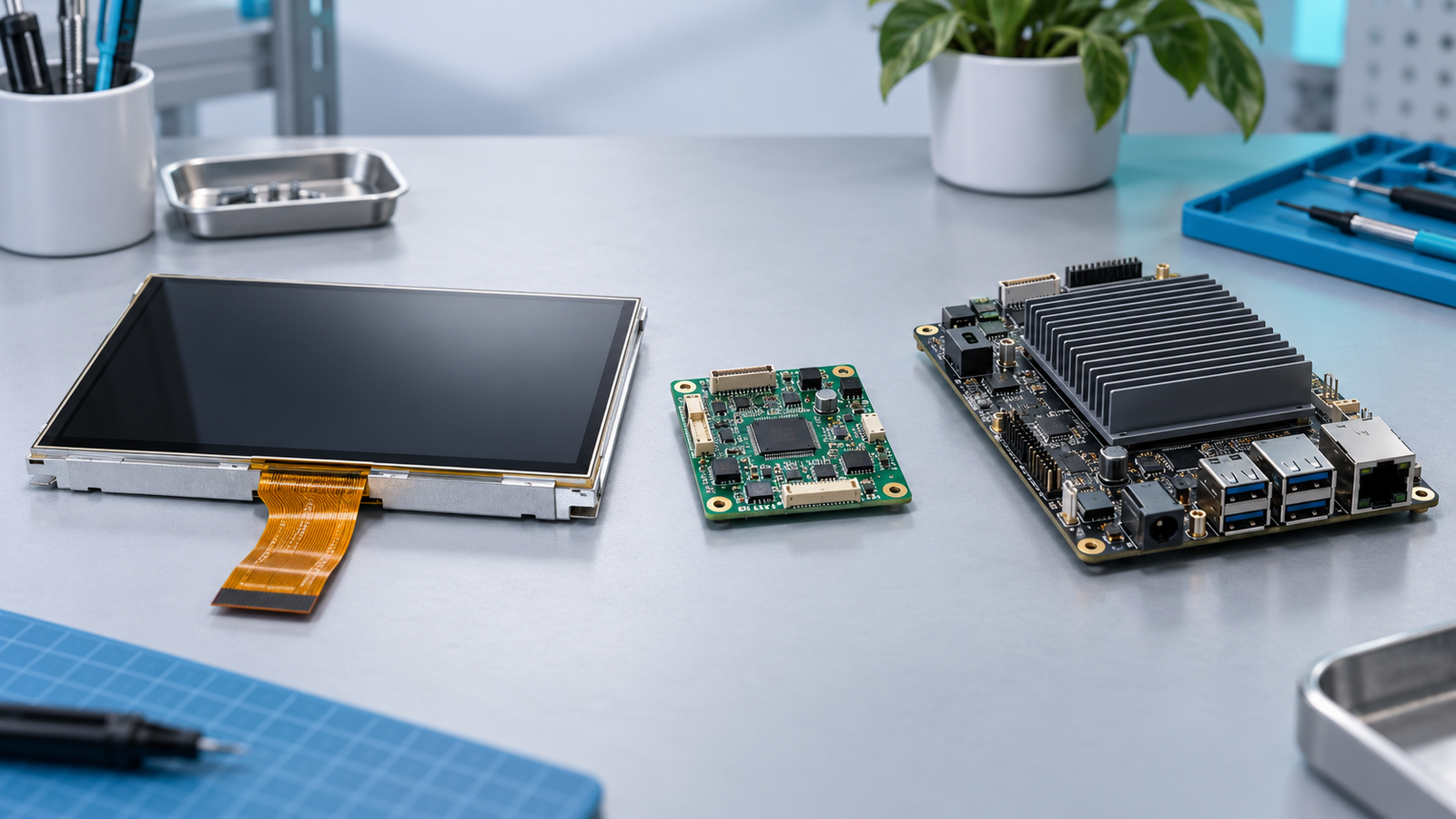
관련 처리는 대신 호스트 컴퓨터, 애플리케이션 프로세서, 또는 적합한 컨트롤러 플랫폼에서 실행될 수 있다. 비디오를 수신하고 패널을 구동하는 기존의 LCD 컨트롤러 보드가 AI 모델을 지원한다고 가정해서는 안 된다. 그 기능은 선택된 하드웨어와 소프트웨어에 대해 확립되어야 한다.
AI 비서가 있는 기계 인터페이스를 생각해 보자. 비서는 메인 컴퓨팅 플랫폼에서 사용자의 질문을 해석할 수 있으며, 그동안 기존의 LCD가 응답을 표시한다. 화면은 AI 지원 제품의 일부이지만, LCD만 교체하는 것으로는 비서가 만들어지지 않는다.
이러한 분리는 기존 LCD 설계를 위한 여지를 남긴다. OEM은 가독성, 크기, 인터페이스, 작동 조건, 서비스 수명을 위해 패널을 선택하면서 시스템 수준에서 유용한 지능을 추가할 수 있다. AI가 자동으로 새로운 디스플레이 기술을 요구하지는 않는다.
패널과 컨트롤러 호환성은 프로젝트별로 유지된다. 선택한 조합에 대해 인터페이스, 신호 타이밍, 전원 시퀀스, 백라이트 구동, 펌웨어를 확인하라. 주요 인터페이스 옵션에 대해서는 LCD 디스플레이 모듈의 인터페이스 가이드를 참조하라.
이는 또한 소싱 논의를 변화시킨다. 모듈 공급업체의 역할과 컴퓨팅 플랫폼 공급업체의 역할은 교차할 수 있지만, 상호 교환 가능하지는 않다. 제안서가 어떤 구성 요소가 AI 기능을 실행하고 어떤 조직이 이를 유지하는지 식별할 때 평가하기 더 쉬워진다.
상호작용은 가치를 소프트웨어 플랫폼 쪽으로 이동시킬 수 있다
이미지 향상은 사용자가 보는 것을 변화시킨다. AI 상호작용은 사용자가 그것에 도달하는 방식을 변화시킨다. 화면이 질문, 추천, 또는 안내 작업의 진입점이 될 때, 인터페이스는 지속적인 서비스 관계의 일부가 될 수 있다.
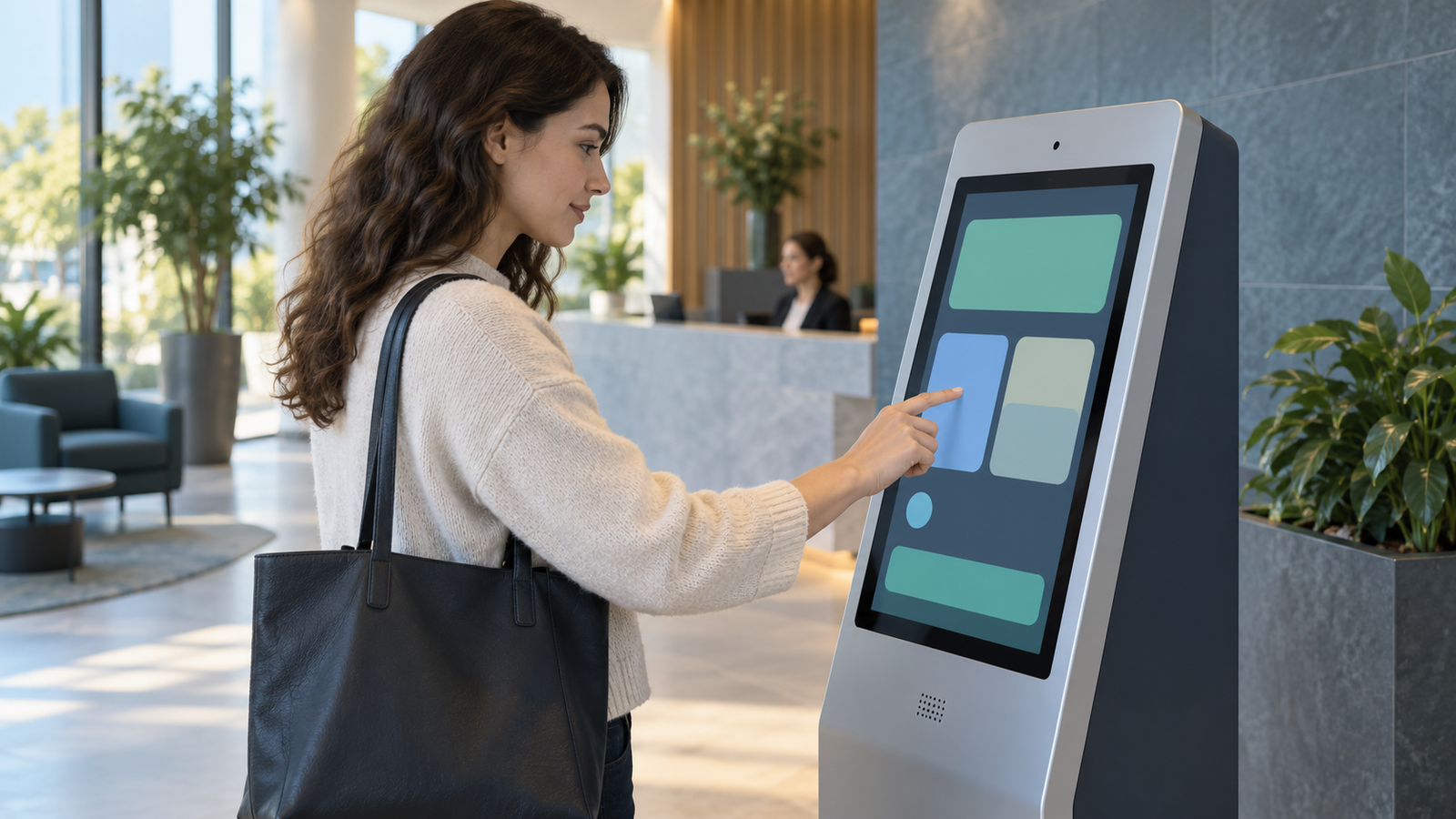
이는 소프트웨어, 계정, 콘텐츠, 연결된 기기 전반에 걸쳐 일관된 경험을 유지할 수 있는 회사에 유리할 수 있다. 하드웨어 성능은 여전히 중요하지만, 플랫폼은 사용자가 돌아오는지 그리고 구매 후에도 기능이 유용하게 남는지에 영향을 미칠 수 있다.
OEM에게 매력은 더 쉬운 작업 완료이다. 사용자는 여러 메뉴를 검색하는 대신 의도를 설명할 수 있다. 이러한 가능성은 간헐적 사용자나 다양한 기능을 가진 장비에 관련이 있다.
비용은 더 넓은 제품 책임이다. 음성 또는 대화형 기능은 추가 컴퓨팅 자원, 연결성, 언어 지원, 소프트웨어 유지보수를 필요로 할 수 있다. 따라서 그 상업적 사례는 단순히 시연의 매력이 아니라 그것이 단순화하는 작업에 달려 있다.
애플리케이션 예시로, AI 음성 번역기를 위한 소형 바 LCD 디스플레이. 에 대한 논의를 참조하라. 이는 기기 통합을 다루며 시장 전체의 채택률을 확립하지 않는다.
이는 채택 시나리오이며, 모든 디스플레이 제품에 대화형 인터페이스가 필요하다는 주장이 아니다. 직접 제어는 빈번하고 시간에 민감한 작업에 여전히 더 나은 선택일 수 있다. AI는 사용자가 실제로 경험하는 마찰을 제거할 때 자리를 얻는다.
공장 AI는 공급 경제성을 변화시킬 수 있지만, 증거는 신중하게 다루어야 한다
BOE의 2026년 6월 17일 발표는 청두 Gen 8.6 AMOLED 라인의 양산 개시 및 제품 출하 기념식을 설명했다. 이 회사는 결함 관리, 수율 최적화, 생산 스케줄링에서의 AI 애플리케이션을 확인하면서, 그러한 애플리케이션이 단계적으로 배포될 것이라고 명시적으로 밝혔다. [3]
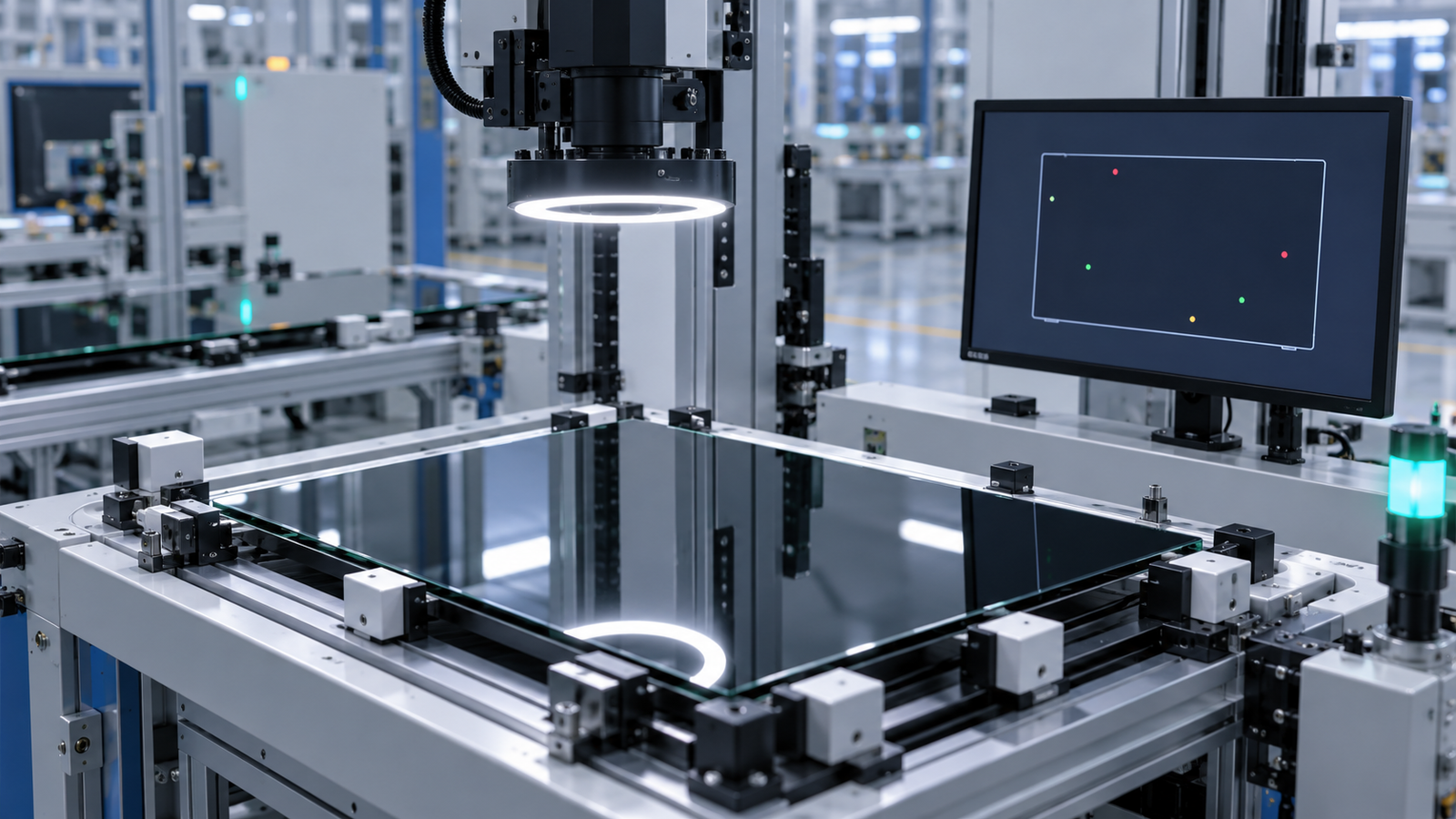
That qualification limits the conclusion buyers can draw. The announcement establishes a stated deployment direction; it does not independently quantify the resulting yield improvement, customer price reduction, or delivery benefit.
Manufacturing AI could become a competitive factor when it helps a producer detect problems earlier, make better use of capacity, or coordinate production more effectively. Those gains could support stronger margins, more competitive pricing, or better supply performance. Which benefit reaches customers depends on execution and commercial decisions.
This part of the change may be less visible than a consumer AI feature, yet it could matter substantially to sourcing. A factory’s use of AI becomes commercially meaningful when it produces repeatable outcomes for the buyer. The presence of an AI system is a weak substitute for evidence of product consistency and dependable supply.
AI demand does not settle the LCD-versus-OLED decision
The AI device narrative and the choice of panel technology can reinforce one another without being the same decision. A manufacturer may position a premium display alongside new computing capabilities, but that does not show that AI workloads require that panel type.
For OEMs, the useful distinction is between a demand signal and a technical requirement. A premium device launch may create interest in higher-end screens. An embedded product still needs a display that fits its intended use, cost structure, and operating environment.
AI can broaden the range of experiences a screen supports without removing these constraints. An expensive panel is difficult to justify if the added capability brings no visible benefit to the application. Equally, a better optical experience can be valuable when it supports how customers use and judge the product.
This leaves space for different technologies and supplier positions. A company that delivers a dependable LCD assembly for a long-lived device addresses a different economic need from a brand selling a premium entertainment experience.
OEM sourcing will involve more responsibility across the product lifecycle
As AI functions become part of the product promise, sourcing can extend beyond component availability and initial unit cost. The OEM must also decide where processing belongs and who takes responsibility when software changes.
A modular approach can let an OEM change computing hardware while retaining a display assembly. A more integrated design may reduce integration work or improve coordination between components. Neither structure guarantees a better commercial result; the choice depends on product volume, development resources, and the expected service period.
Supplier relationships need to make these responsibilities clear. A panel specification describes one part of the product. An AI-enabled experience also depends on processing capacity, software behavior, and ongoing support.
The financial comparison should follow that same boundary. Additional memory, computing power, development time, and maintenance can change the economics of an apparently modest feature. A recurring service cost can matter more over the product’s life than a small difference in panel price.
For RJY Display customers developing an AI-enabled device, the productive starting point is the intended screen experience: what the user needs to see, how the user interacts, and where the application runs. That gives the LCD, touch assembly, controller, and host platform clear roles in the design discussion.
The market opportunity is useful intelligence with clear economics
AI is expanding the ways display companies can compete. Processing offers a route to differentiated image quality. Interaction can strengthen the role of a software platform. Factory applications may affect production economics as deployments mature.
For OEMs, the opportunity is to connect one of those changes to a concrete product advantage. That might be better presentation of source content, an easier user task, or a more dependable supply outcome. Each requires different evidence and a different commercial model.
The durable advantage will come from choosing where intelligence earns its cost, then designing the display system around that decision. Panel quality remains part of the answer. AI makes the surrounding system harder to ignore.
Frequently asked questions
Does an AI-enabled device need an OLED display?
No. The AI workload and panel technology are separate choices. Select the display for the content, viewing conditions, power budget, cost, and service needs. Confirm that the host and display can work together.
Does a TFT LCD controller board run AI models?
That depends on the board and software. A board that converts video to a panel interface does not automatically provide AI inference. Identify the processor, memory, supported software, and party responsible for the AI function.
Will factory AI lower display module prices?
It could improve production economics, but a deployment announcement does not establish a price reduction. Yield, capacity use, demand, and supplier pricing decisions affect what the buyer pays.
Discuss your display requirements with RJY
Share your display size, resolution, brightness, touch requirements, operating environment, and host platform with RJY 디스플레이. Include the intended AI function and where it runs so the discussion can focus on the LCD module, touch assembly, and controller requirements. Suitability and compatibility need review for the specific project.
참고 자료
- Samsung Electronics Showcases 2026 AI-Powered TV Innovations Ahead of Market Launch at European Tech Seminar. Samsung Global Newsroom, April 16, 2026.
- LG Electronics Showcases Affectionate Intelligence in Action at CES 2026. LG Electronics, January 6, 2026, page 4.
- BOE launches China’s first Gen 8.6 AMOLED production line, ushering in a new era for high-end displays. BOE, June 17, 2026.